欧盟对华去风险

Search documents
欧盟酝酿对华强制“去风险”?专家:实操将面临诸多现实难题
Huan Qiu Shi Bao· 2026-01-18 23:04
Group 1 - The EU plans to propose a gradual phase-out of Chinese-made equipment in critical infrastructure, shifting from a voluntary to a binding regulation for all member states [1][2] - The upcoming cybersecurity proposal aims to replace the current voluntary mechanism for excluding "high-risk" suppliers with mandatory rules, reflecting a shift in the EU's security and technology policy [1] - The proposal is driven by concerns over reliance on both US tech companies and Chinese "high-risk" suppliers, indicating a broader reevaluation of supply chain dependencies [1][2] Group 2 - The effectiveness of previous EU recommendations has been inconsistent, with many European countries still using products from "high-risk" suppliers, highlighting the challenges of implementation [2] - The timeline for phasing out equipment will depend on the assessed risk from suppliers and the availability of alternative options, with over 90% of solar panels currently installed in the EU being made in China [2] - There are concerns that a direct ban could increase consumer costs, and the proposal may face opposition from various EU member states and lobbying groups, particularly in the solar energy sector [2]
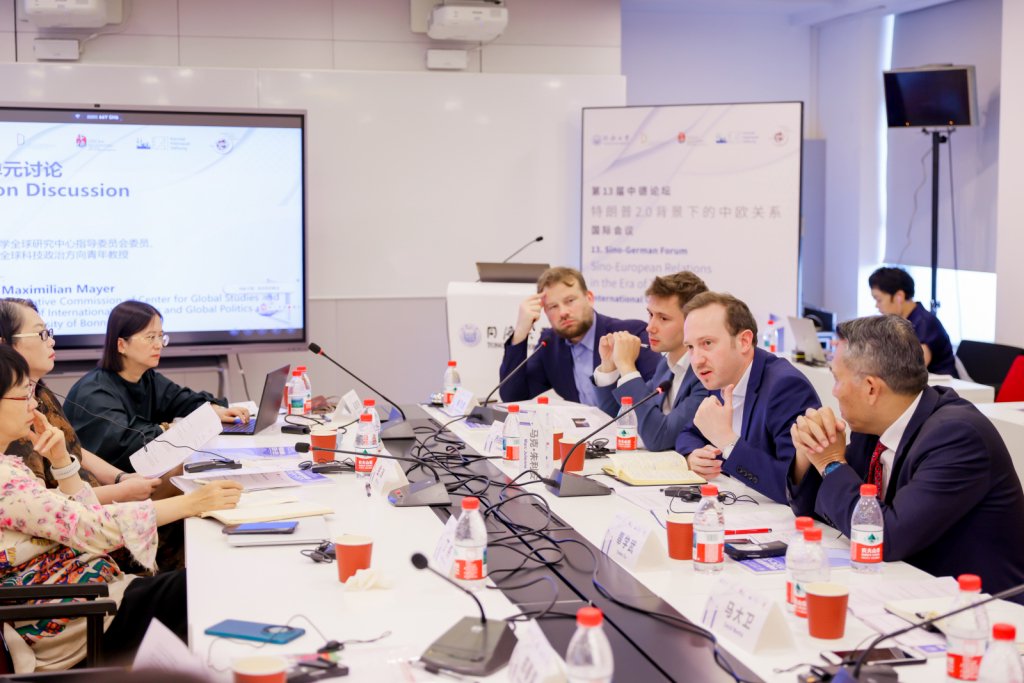
中欧如何应对地缘政治变局?学者:乌克兰问题不应依赖不确定性强的美国
Xin Lang Cai Jing· 2025-09-29 01:41
Group 1 - The core issue of the China-Europe relationship is the asymmetry in expectations, especially in the context of the 50th anniversary of diplomatic relations and the 80th anniversary of the United Nations [1] - The significance of China-Europe economic cooperation has increased amidst geopolitical tensions, with both sides having mutual concerns but still room for collaboration [2][3] - The EU's changing security perspective post-Russia-Ukraine conflict has impacted its policy towards China, shifting from engagement to a more defensive realism stance [4][5] Group 2 - There is a need for dialogue and understanding between China and Europe regarding the Ukraine issue, with suggestions for China to facilitate peace talks [5][7] - The younger generation is seen as a key player in exploring future cooperation opportunities, particularly in emerging technologies and climate change [9][10] - Climate change is identified as a critical area for collaboration, with both sides expressing strong willingness to work together, especially in light of the U.S. withdrawal from the Paris Agreement [10]