步梯房投资风险

Search documents
2025年步梯房越来越不值钱了?过来人直言:再便宜也不要买
Sou Hu Cai Jing· 2025-12-02 16:38
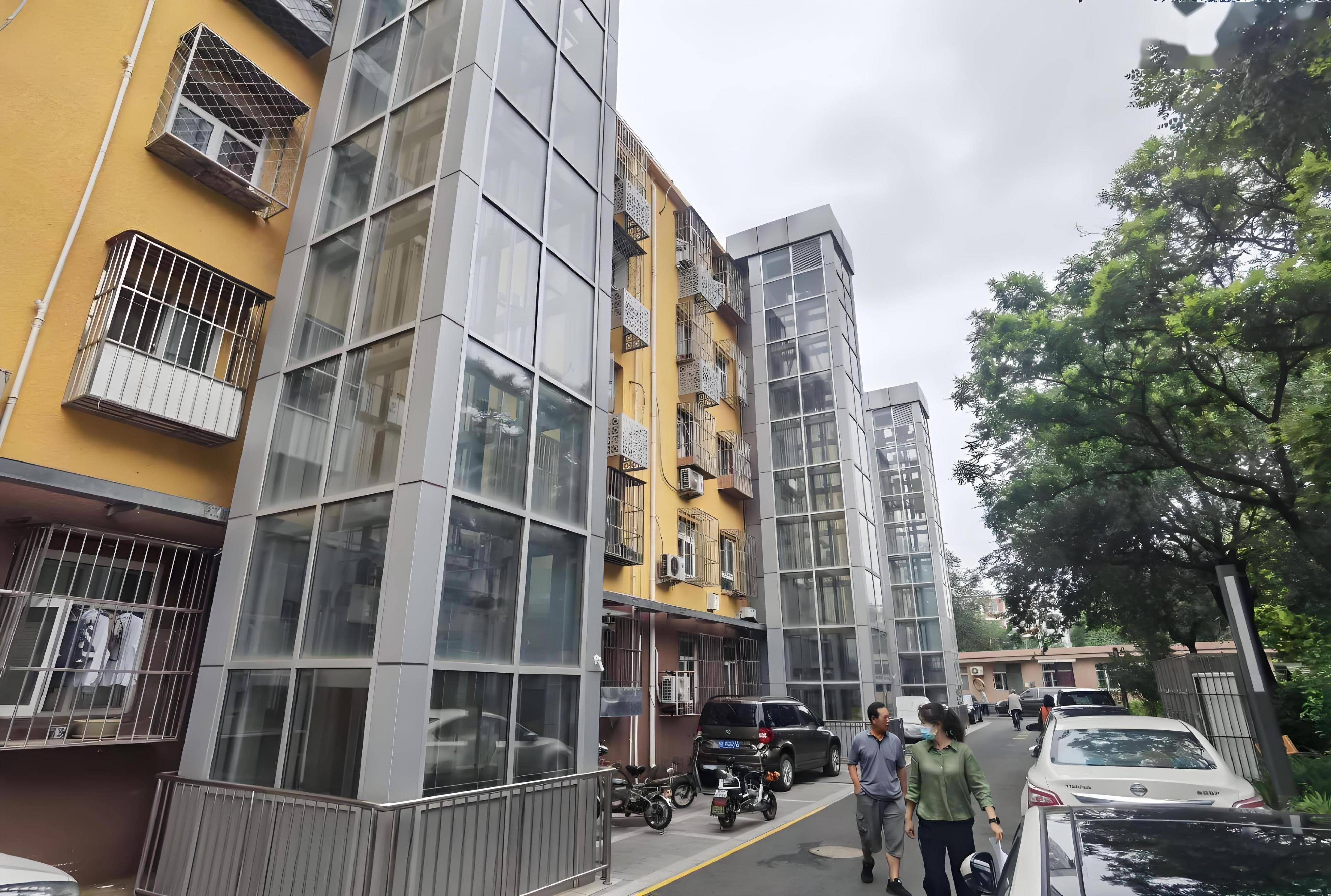
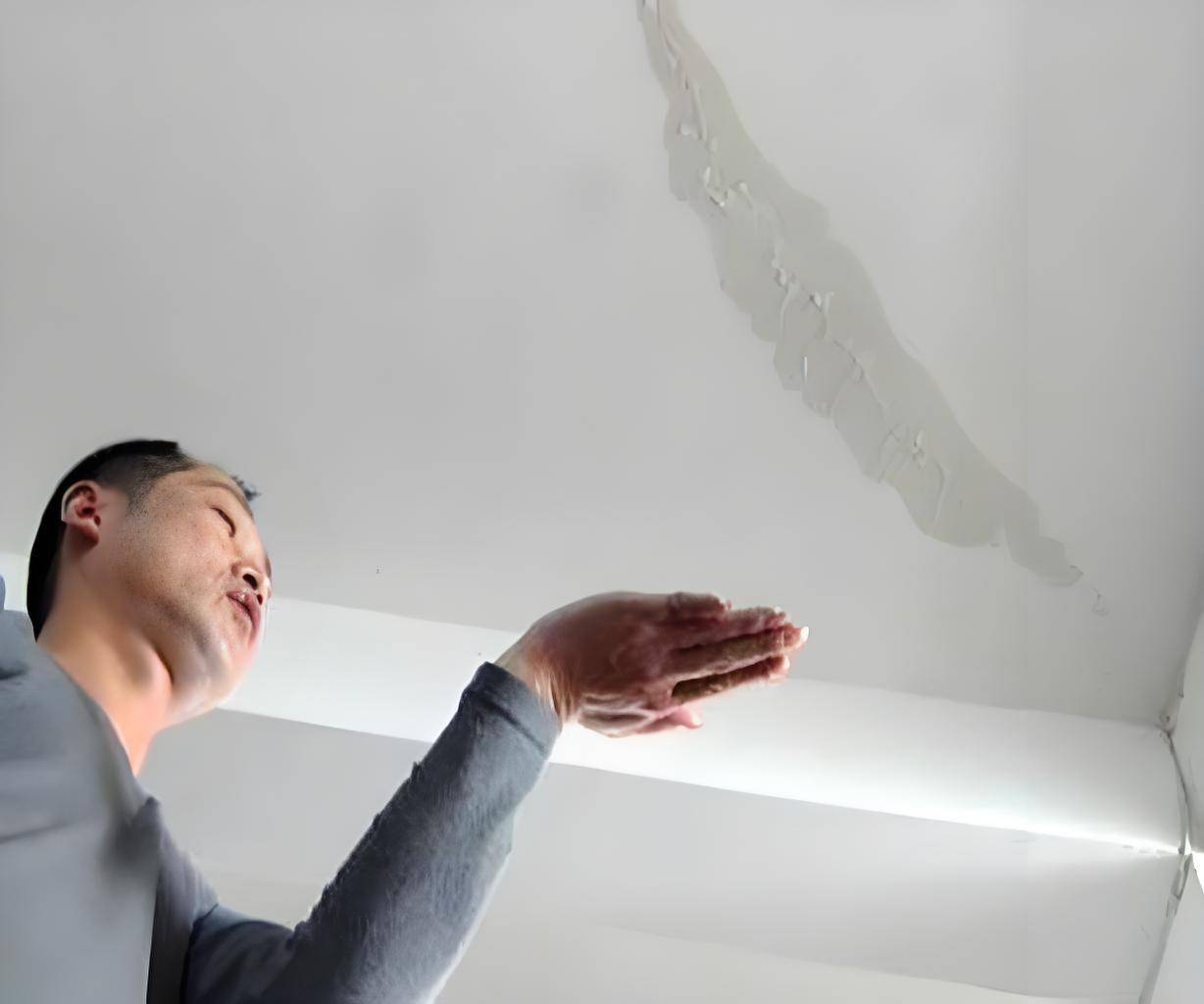
Core Viewpoint - The article highlights the challenges and hidden drawbacks of purchasing walk-up apartments, emphasizing the difficulties faced by homeowners and the declining property values associated with these types of residences [1][8]. Group 1: Homeowner Experiences - Homeowners like Jiang Min have faced significant issues after purchasing walk-up apartments, leading to a decrease in property value and difficulty in selling [1]. - Many residents report that living in walk-up apartments is particularly challenging for families with elderly members or young children, as climbing multiple flights of stairs can be exhausting [3]. Group 2: Specific Issues with Walk-Up Apartments - Ground floor residents often deal with pest problems and poor ventilation, while top floor residents face persistent water leakage issues, especially during rainy seasons [5]. - The installation of elevators in walk-up buildings is complicated due to resistance from lower-floor residents who fear it may affect their living conditions, making it difficult for higher-floor residents to benefit from such improvements [6]. Group 3: Market Challenges - Walk-up apartments are struggling to maintain their value in a declining real estate market, with significant price drops observed; for instance, a property in Shanghai's Jing'an District saw its price per square meter fall from 65,000 yuan to 56,000 yuan [8]. - The liquidity of walk-up apartments is low, making it hard for owners to sell their properties, as evidenced by a homeowner's unsuccessful attempt to sell their unit after a year on the market [8]. Group 4: Recommendations for Buyers - For first-time buyers considering walk-up apartments, it is advisable to look for properties that are between 5 to 15 years old and preferably on the third or fourth floors to balance convenience and resale potential [11].

2025年“步梯房”越来越不值钱了?过来人直言:再便宜也不要买
Sou Hu Cai Jing· 2025-06-23 23:59
Core Viewpoint - The article highlights the hidden risks and challenges associated with purchasing stairway apartments, emphasizing that despite their lower prices, they may lead to significant long-term issues for buyers [1][13]. Group 1: Investment Risks - Stairway apartments have poor liquidity and depreciation issues, making them high-risk investments. For instance, a property in Shanghai's Jing'an District saw its price drop from 65,000 yuan per square meter in early 2024 to 56,000 yuan now, indicating a significant decline [1]. - Many owners struggle to sell their stairway apartments, often listing them for a year without success, leading to forced retention of these properties [1]. Group 2: Quality of Life Concerns - Living in stairway apartments poses significant inconveniences, especially for families with elderly members or young children. Daily activities such as carrying groceries or receiving deliveries can become challenging [2]. - Residents on the first and top floors face unique issues, such as pest problems and water leakage, which can severely affect their living conditions [5]. Group 3: Installation Challenges - The desire to install elevators in stairway apartments is often met with resistance from lower-floor residents, who fear it may affect their property value and living conditions. Even with agreement, the high costs of installation and maintenance deter many owners [5]. Group 4: Recommendations for Buyers - If purchasing a stairway apartment is necessary, it is advisable to choose properties aged between 5 to 15 years and preferably on the 3rd or 4th floors for better accessibility and resale potential [7]. - Selecting properties in well-equipped neighborhoods with good educational, medical, shopping, and transportation facilities can enhance living convenience [9]. - Conducting thorough assessments of property management quality through factors like landscaping and neighbor reviews is crucial [11].