
民用无人机实名登记和激活

Search documents
民用无人机新国标发布
Xin Lang Cai Jing· 2026-01-19 18:12
Core Points - The Civil Aviation Administration of China (CAAC) has introduced new national standards for the registration and activation of civil unmanned aerial vehicles (UAVs) [1] - The new standards aim to ensure the legal and compliant operation of civil UAVs from the source [1] Group 1 - The new standard titled "Requirements for Real-name Registration and Activation of Civil Unmanned Aerial Vehicles" clarifies the procedures for real-name registration and activation [1] - The standard regulates manufacturers to develop information systems that facilitate real-name registration and activation [1] - The guidelines are designed to help UAV owners complete the registration process more conveniently [1] Group 2 - The standards apply to civil unmanned aerial vehicles that meet the specified criteria and are engaged in flying or related activities within China [1]
民用无人机“上户口”有新规:实名登记激活才能飞
Yang Shi Wang· 2025-12-10 08:32
Core Viewpoint - The recent mandatory national standard issued by the State Administration for Market Regulation outlines the real-name registration and activation requirements for civil unmanned aerial vehicles (UAVs) in China, establishing a clear workflow for compliance [1]. Group 1: Registration and Activation Requirements - The standard applies to civil unmanned aerial vehicles within China, mandating that UAV systems prominently display real-name registration and activation requirements, and must include features for activation control, user-friendly interaction, registration verification, and firmware updates [3]. - Registration information must include key fields such as owner identity, product name, model, unique product identification code/serial number, and intended use. Owners must complete real-name registration and activation before use [3]. Group 2: Operational Identification and Safety Features - Civil UAVs are required to have both broadcast and network-based operational identification capabilities, and must be able to receive identification information from cellular, wired, and satellite communication networks [5]. - If the identification module fails before takeoff, the UAV will be unable to fly. In-flight failure of the broadcast function must trigger an alarm, and the UAV must have capabilities for hovering, returning, and landing [5]. Group 3: Compliance for Existing UAVs - For UAVs already sold and in use, manufacturers must install operational identification modules within 12 months of the standard's release to meet basic functional requirements. A 36-month transition period is provided for these modified UAVs, after which all civil UAVs must fully comply with the standard to operate [7]. - New UAVs produced after the implementation of this standard must adhere to the requirements immediately, while existing UAVs will begin compliance from the 13th month after the standard's implementation, allowing sufficient time for users to complete registration and activation [7].

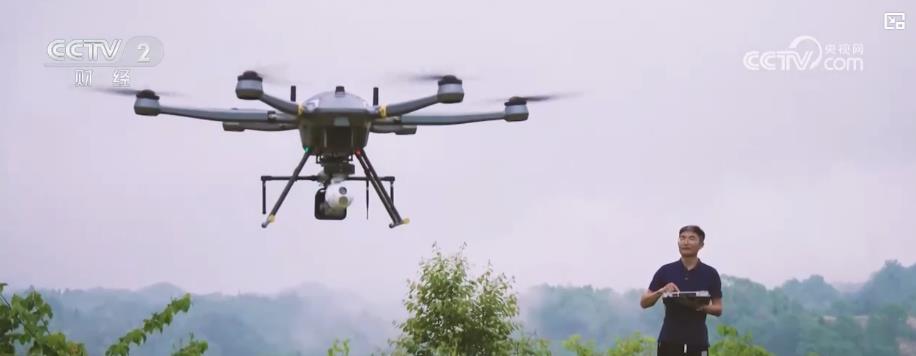
将于明年正式实施 民用无人机“上户口”有新规
Yang Shi Wang· 2025-12-09 23:44
Group 1 - The State Administration for Market Regulation has released mandatory national standards for the real-name registration and activation of civil unmanned aerial vehicles (UAVs), outlining the registration process and requirements for UAV systems in China [1] - The standards require UAV systems to prominently display real-name registration and activation requirements, and to have functionalities such as activation control, user verification, and firmware updates [1] - Owners must complete real-name registration and activation before using the UAVs, with required registration information including owner identity, product name, model, unique product identification code/serial number, and intended use [1] Group 2 - A separate mandatory national standard has been issued for the operational identification of civil UAV systems, aimed at ensuring the monitoring and safety of UAV operations [2] - UAVs must have both broadcast and network-based operational identification capabilities, and be able to receive identification information from cellular, wired, and satellite communication networks, with updates occurring at intervals of no more than one second [2] Group 3 - To ensure reliable identification functionality, UAVs will be unable to take off if the identification module fails before flight, and any failure of the broadcast function during flight must trigger an alarm and enable hovering, return, or landing capabilities [3] - The standards require continuous storage of operational identification information for no less than 120 flight hours, with the data being non-deletable by users, thus ensuring traceability and regulatory oversight [3] Group 4 - The two mandatory national standards will take effect on May 1 of the following year, with a transition period for manufacturers to upgrade existing equipment [4] - Manufacturers must install operational identification modules on existing UAVs within 12 months of the standards' release, with a 36-month transition period for compliance after installation [4] - New UAVs must comply with the standards from the date of implementation, while existing UAVs must complete registration and activation by the 13th month after the standards come into effect [4]