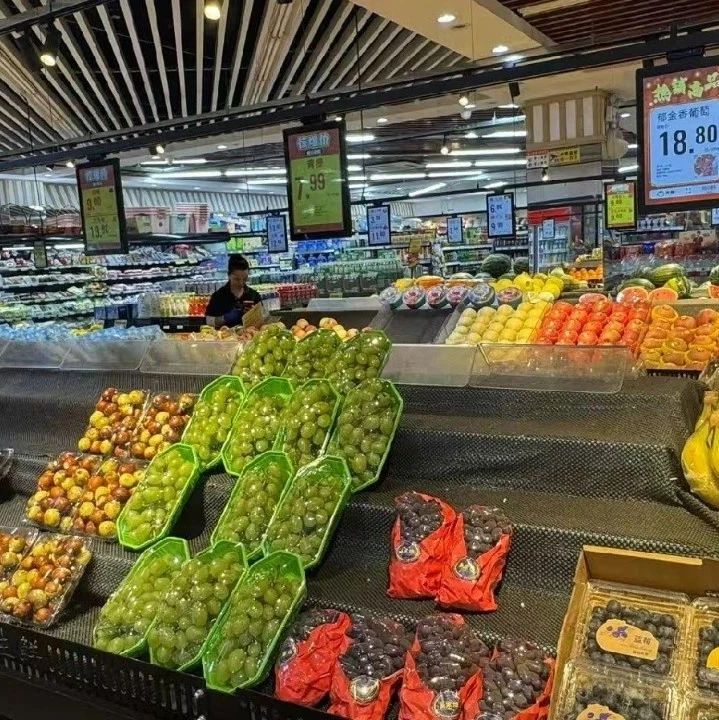
水果市场价格波动

Search documents
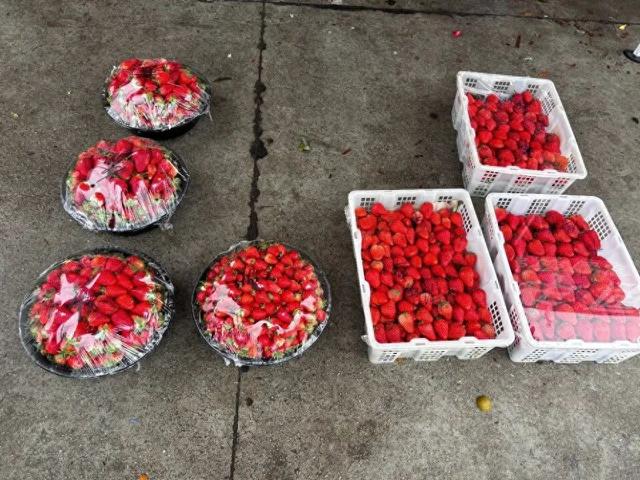
草莓大降价,低至1元/斤!武汉正大量上市,“从没见过这么便宜”
Xin Lang Cai Jing· 2026-02-27 00:49
Core Insights - The price of strawberries in Wuhan has significantly dropped, with some being sold for as low as 1 yuan per jin, primarily due to increased supply and reduced customer traffic caused by recent rainy weather [1][3][6]. Group 1: Price Trends - Local red strawberries, particularly the "Hongyan" variety, are being sold at various price points, with smaller strawberries reaching a floor price of 1 yuan per jin and larger, higher-quality ones priced around 5 yuan per jin [1][3]. - A vendor reported selling strawberries at multiple price levels, including 1 yuan, 2 yuan, 3 yuan, and 5 yuan, with the cheapest option being 10 yuan per box [3][6]. Group 2: Sales Performance - The drop in prices has led to a surge in sales, with one vendor selling 60 to 70 baskets in a morning and receiving a single order worth 2,300 yuan, primarily from wholesale customers [3][4]. - Another vendor anticipates selling around 600 jin of strawberries in a day due to the increased customer interest following the price drop [6]. Group 3: Consumer Response - Consumers, including tourists from other regions, have expressed surprise at the large size and low price of the strawberries, indicating a strong demand for the product [4][6]. - Street vendors are also experiencing high foot traffic, with customers eager to purchase strawberries at competitive prices [4][5]. Group 4: Market Dynamics - Industry insiders suggest that the price fluctuations are closely tied to weather conditions, with expectations that prices may rise again once the weather improves and supply stabilizes [8].

超50万吨车厘子涌入中国:价格大跳水,批发商却笑不出来
Di Yi Cai Jing· 2025-12-23 11:29
Core Viewpoint - The influx of Chilean cherries into the Chinese market this winter has led to a significant decline in retail prices, impacting both wholesalers and consumers [1][2]. Group 1: Supply and Market Dynamics - Chile is preparing for a record cherry production of approximately 655,000 tons (equivalent to 13.1 million boxes) for the 2025/26 season, with over 90% destined for the Chinese market [2]. - The wholesale price of cherries in December has decreased significantly compared to the same period last year, with a decline of 15%-25% [2]. - Factors contributing to the price drop include record production from Chile, reduced shipping times (shortened by 4-5 days to 23 days), and lower shipping costs compared to air freight, which has decreased by about 10%-20% per container [3]. Group 2: Impact on Wholesalers - Despite the increase in cherry production, most wholesalers are experiencing reduced profitability due to falling prices, with only a few large wholesalers maintaining or slightly increasing profits [4]. - Smaller wholesalers are facing challenges such as "increased volume but reduced profits" and potential losses due to inventory risks and spoilage pressures [4]. - Prices have seen a sharp decline from mid-November to late December, with specific examples showing a drop from 160 yuan/kg to 90 yuan/kg for certain cherry grades [4].
百元一斤的荔枝“打两折”,“贵族水果”为何大降价?
第一财经· 2025-06-12 13:44
Core Viewpoint - The article discusses the significant price drop of various fruits, particularly "noble fruits" like lychee and durian, leading to increased consumer access to these products while simultaneously creating challenges for fruit farmers due to heightened market competition [1][2][3]. Price Trends - This summer, the keyword for most fruits is "price drop," with lychee prices plummeting from 80-100 yuan per jin last year to below 20 yuan this year [1]. - In Guangxi, the purchase price for lychee has decreased from 5-8 yuan to 2-3 yuan per jin [1]. - Data from Ele.me shows that fruit delivery volumes, including lychee and watermelon, have increased by over 50% compared to last year, with lychee sales up by 70% [2]. Market Dynamics - The decline in prices is attributed to increased production and improved agricultural technology, leading to a trend of "noble fruits" becoming more affordable [2][3]. - The overall market is experiencing a shift, with the introduction of more varieties and price points for the same fruit, indicating a diversification in consumer preferences [5][6]. Consumer Behavior - Consumers are increasingly drawn to the concept of "fruit freedom," with a growing interest in different fruit varieties and willingness to pay for premium options [5][6]. - The article notes that while some fruits are experiencing price drops, others, like tomatoes, are seeing price increases, reflecting a complex market landscape influenced by consumer health trends [6]. Challenges for Farmers - Farmers are facing difficulties due to the oversupply of fruits like lychee, leading to lower prices and uncertain sales [5]. - The article highlights the anxiety among farmers regarding the short harvesting period and the need to secure buyers, which complicates their ability to sell their produce profitably [5]. Future Outlook - The article suggests that as agricultural practices improve and more varieties are developed, the market for "noble fruits" will continue to evolve, potentially reducing the number of high-priced fruit categories [3][4]. - Industry participants are encouraged to explore diverse sales channels and focus on producing higher quality or rarer fruit varieties to adapt to changing market conditions [6].