
水资源监管

Search documents
国务院办公厅关于印发《落实水资源刚性约束制度考核办法》的通知
Yang Shi Wang· 2025-12-31 09:47
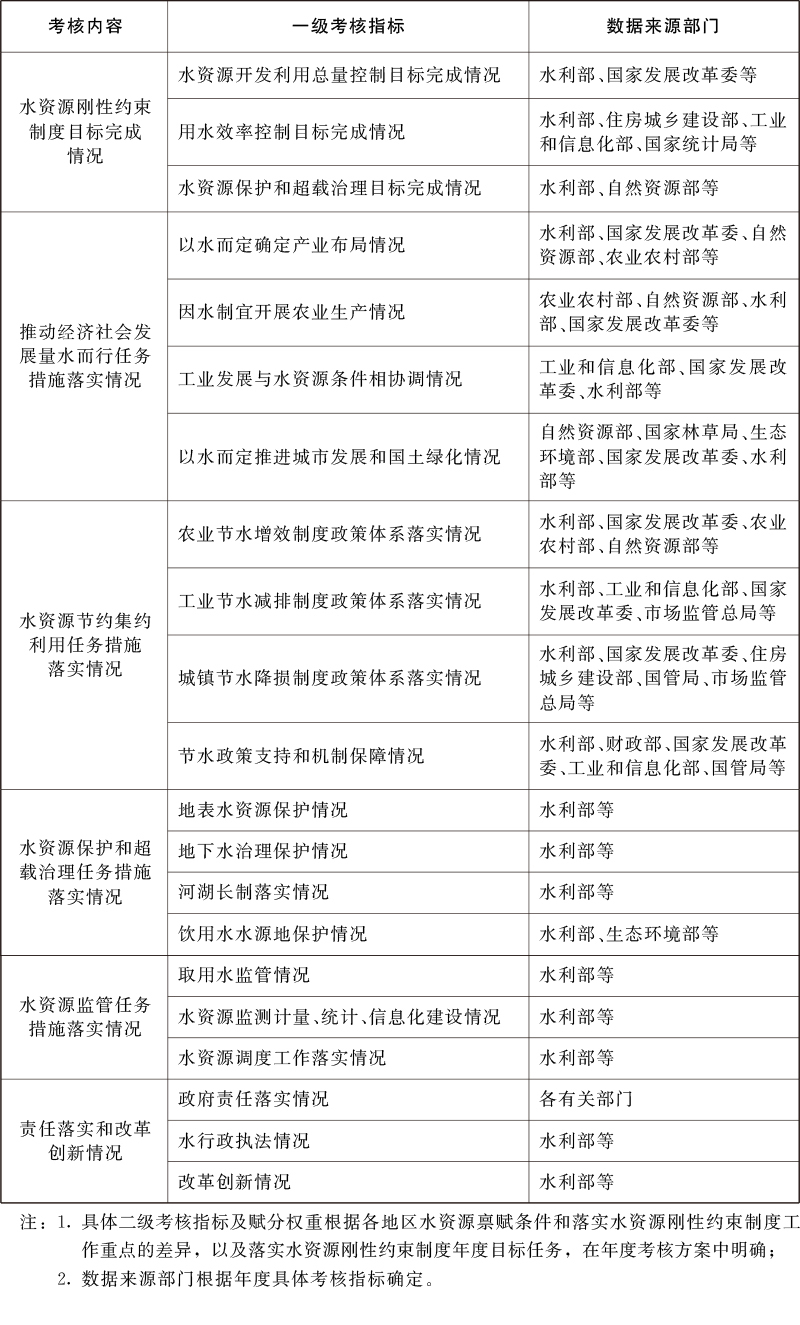
Core Viewpoint - The State Council of China has issued a new assessment method for implementing a rigid water resource constraint system, aimed at promoting efficient and sustainable water resource utilization while improving ecological environments [1][2]. Group 1: Assessment Framework - The assessment method is designed to ensure that water resource development remains within the limits of ecological carrying capacity, supporting high-quality development [3]. - The assessment applies to provincial governments and emphasizes goal-oriented and problem-oriented approaches, with a focus on scientific indicator setting and efficient execution [4]. - The assessment will be conducted annually, with a scoring system where a score of 90 and above is considered excellent, 80-89 good, 60-79 passable, and below 60 as failing [4][5]. Group 2: Implementation and Oversight - A working group composed of various ministries, including the Ministry of Water Resources and the National Development and Reform Commission, will oversee the implementation of the assessment [4][5]. - Each province is required to conduct self-assessments and submit reports to the State Council, which will then be verified by the working group [5][6]. - The results of the assessments will be used as a reference for evaluating provincial leaders and for allocating central funding [6][7]. Group 3: Accountability and Compliance - Provinces that fail to implement the rigid water resource constraint system effectively will not be rated above "passable" [4][6]. - Significant achievements in implementing the system will be recognized, while provinces with poor performance must submit corrective measures within a month of the assessment results [6][7]. - Any fraudulent activities during the assessment process will lead to automatic failure and accountability for responsible parties [7]. Group 4: Specific Assessment Indicators - The assessment will include various indicators such as total water resource utilization control, water efficiency targets, and the implementation of water-saving policies across different sectors [9][10]. - Specific indicators will be tailored based on regional water resource conditions and the focus of the rigid constraint system implementation [10].

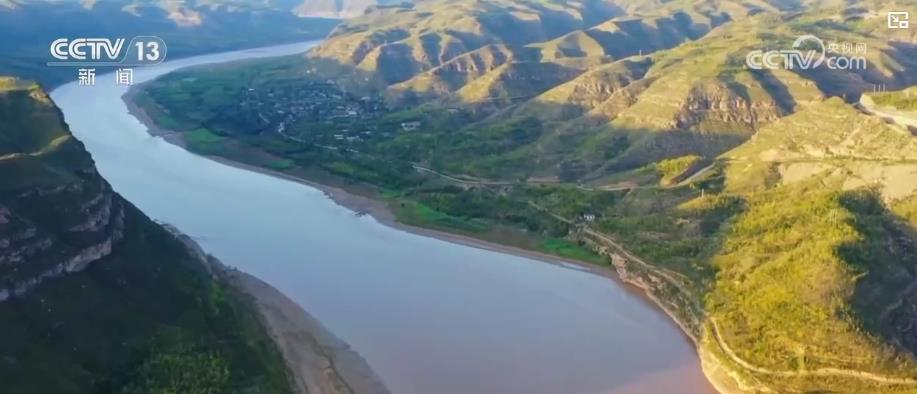
强化取用水全过程管理 保障用水需求——“十四五”水资源监管成效显著
Yang Shi Wang· 2025-10-22 09:42
Core Viewpoint - The Ministry of Water Resources of China emphasizes the importance of comprehensive water management and monitoring systems during the 14th Five-Year Plan to ensure high-quality economic and social development while safeguarding ecological water needs [1][9]. Group 1: Water Resource Management - A total of 94 inter-provincial river water allocation plans have been approved nationwide, with 420 intra-provincial plans approved, achieving effective water distribution [3]. - The Ministry has organized 31 provinces to establish groundwater extraction indicators based on county-level administrative units [4]. Group 2: Ecological Flow Management - The ecological flow target system for key rivers and lakes has been largely covered, with 171 inter-provincial and 546 intra-provincial ecological flow targets established [5][7]. - Over 3,000 external water extraction projects have been rejected through rigorous review processes during the 14th Five-Year Plan [7]. Group 3: Water Usage Control - The total water usage in the country is controlled within 600 billion cubic meters, supporting high-quality economic and social development [9].
英国环境大臣:同意英国央行副行长布罗德班特关于水资源监管过于薄弱的报告。
news flash· 2025-07-21 09:44
Core Viewpoint - The UK Environment Secretary agrees with the Bank of England Deputy Governor Broadbent's report indicating that water resource regulation in the UK is too weak [1] Group 1 - The report highlights deficiencies in the current regulatory framework for water resources in the UK [1] - There is a growing concern regarding the sustainability and management of water resources amid increasing demand and climate change [1] - The Environment Secretary's agreement suggests potential for future regulatory reforms to strengthen water resource management [1]