江湖义气

Search documents
49年李先念请新四军叛徒郭仁泰吃饭,不料对方却说:司令我要举报
Sou Hu Cai Jing· 2026-02-27 13:27
Core Viewpoint - The story of Guo Ren Tai, also known as Guo Lao Ba, illustrates the complex interplay between personal loyalty and national duty during a tumultuous period in Chinese history, highlighting his journey from betrayal to redemption [1][21]. Group 1: Background and Early Life - Guo Ren Tai, born into poverty and orphaned at a young age, was sold to a mining area where he developed a strong sense of loyalty and became a significant figure in the local community [1]. - His early life was marked by hardship, working in mines from the age of 12, which shaped his character and reputation as a notable figure in the local "jianghu" (rivers and lakes) culture [9]. Group 2: Involvement with the New Fourth Army - Guo Ren Tai joined the New Fourth Army twice but betrayed it on two occasions, aligning himself with the puppet army instead, which left him with a heavy historical burden [1][21]. - After the liberation of Hubei in 1949, he faced the consequences of his past actions, particularly with the arrival of his former leader, Li Xian Nian, who was now a prominent figure in the Communist Party [3]. Group 3: Redemption and Transformation - During a meeting with Li Xian Nian and Minister of Civil Affairs Zheng Shao Wen, Guo expressed his remorse for his past betrayals, but Li chose to forgive him, recognizing his contributions to the anti-Japanese efforts [5][19]. - Li Xian Nian's leadership style was characterized by inclusivity, as he integrated various local forces into the New Fourth Army, which contributed to its rapid growth [7]. Group 4: Challenges and Loyalty - Guo Ren Tai's initial integration into the New Fourth Army faced challenges due to his previous affiliations and the need for discipline within his group, which was accustomed to a more relaxed "jianghu" lifestyle [14][16]. - Despite attempts to adapt, Guo ultimately left the New Fourth Army again, but continued to provide intelligence to them while serving in the puppet army, showcasing his complex loyalties [17][19]. Group 5: Final Redemption - Guo Ren Tai's eventual actions, including providing critical intelligence that led to the exposure of a conspiracy, marked his return to the fold of the New Fourth Army and demonstrated his capacity for change [19]. - His story serves as a reflection of the broader conflicts between personal loyalty and national duty during a time of war, ultimately leading to his acceptance back into the revolutionary ranks [21].

雷士照明吴长江10年牢狱,1.7亿买教训
阿尔法工场研究院· 2025-12-15 00:06
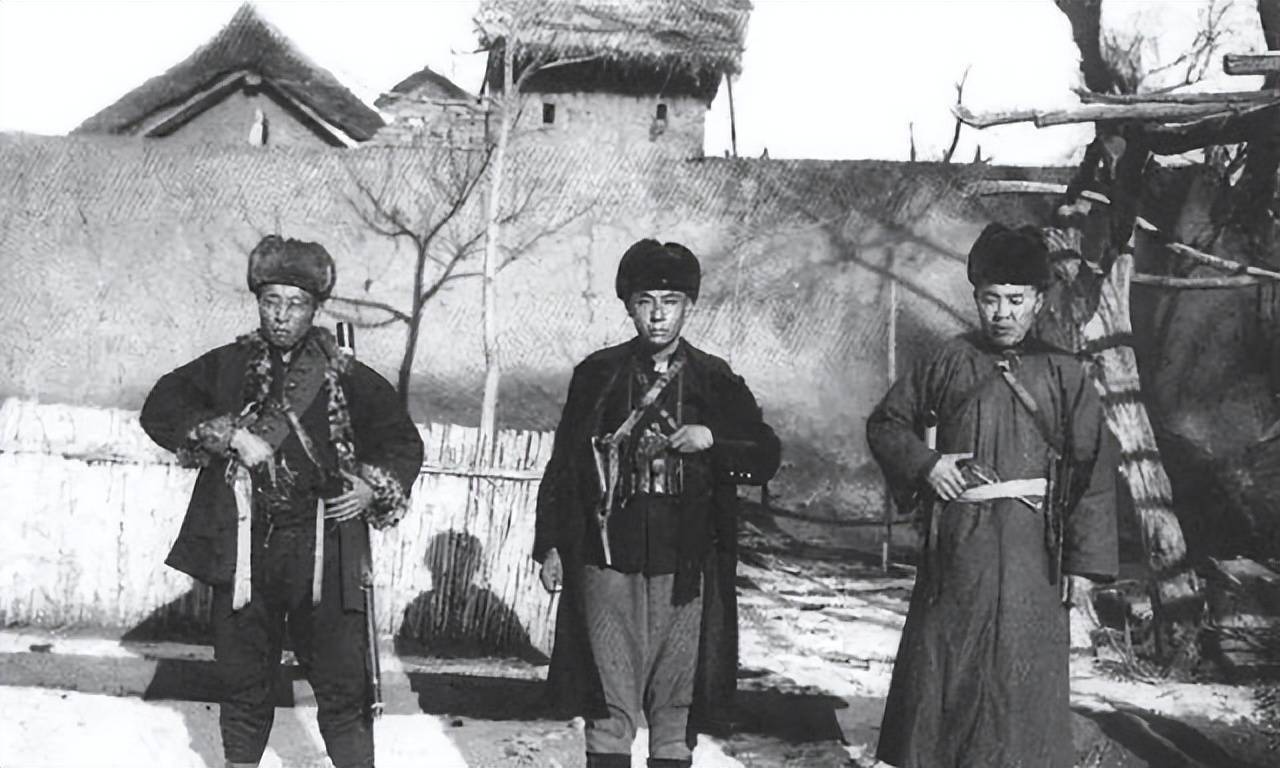
Core Viewpoint - The article discusses the lessons learned from the entrepreneurial journey of Wu Changjiang, founder of NVC Lighting, emphasizing the dangers of gambling, emotional decision-making, and the importance of understanding capital dynamics in business [4][39]. Group 1: Lessons from Wu Changjiang's Experience - Wu Changjiang reflects on his past mistakes, particularly how gambling led to his downfall, resulting in a loss of over 1 billion yuan and a 10-year prison sentence for misappropriation of funds [7][11]. - The article highlights the importance of maintaining a solid business mindset and avoiding high-risk behaviors outside of core business activities, as these can jeopardize long-term entrepreneurial efforts [10][11]. - Emotional decision-making, such as giving away excessive equity to partners out of loyalty, can lead to loss of control and ultimately harm the business [14][19]. Group 2: Capital and Risk Management - Entrepreneurs must be cautious with capital partners, as there are no permanent allies in business; interests can shift, leading to potential exploitation [25][26]. - Wu Changjiang's misunderstanding of pre-money and post-money valuation concepts led to significant dilution of his shares and loss of control over his company [28][29]. - The article stresses the necessity for entrepreneurs to understand financial terms, seek legal advice, and maintain a risk-aware approach in all business dealings to avoid being taken advantage of by investors [39].

吴长江出狱:10年牢狱,1.7亿买教训,代价血淋淋
3 6 Ke· 2025-12-10 02:34
Core Insights - The article discusses the lessons learned from the experiences of Wu Changjiang, the founder of NVC Lighting, who served ten years in prison for financial misconduct, emphasizing the importance of avoiding gambling and emotional decision-making in entrepreneurship [1][2][31]. Group 1: Key Lessons from Wu Changjiang - The first lesson is to never gamble in entrepreneurship, as it can lead to significant losses and ruin. Wu Changjiang's downfall was attributed to gambling debts that led him to misuse company funds [5][6][8]. - The second lesson is to avoid excessive loyalty and emotional decision-making, which can result in losing control over the business. Wu Changjiang's initial generous share distribution to partners ultimately led to his loss of control [9][10][12]. - The third lesson emphasizes the need for entrepreneurs to be cautious with capital and to understand the implications of investment terms, particularly the difference between pre-money and post-money valuations, which Wu Changjiang misunderstood [19][20][22]. Group 2: Implications for Entrepreneurs - Entrepreneurs should ensure that every financial agreement is clear and legally sound, and they should seek legal advice to avoid pitfalls [32]. - Emotional ties can drive team motivation but should not dictate business decisions, as relying on personal relationships can lead to detrimental outcomes in capital allocation [34]. - The narrative serves as a cautionary tale that entrepreneurship is not a game of chance but a serious endeavor requiring strategic thinking and risk management [31][35].