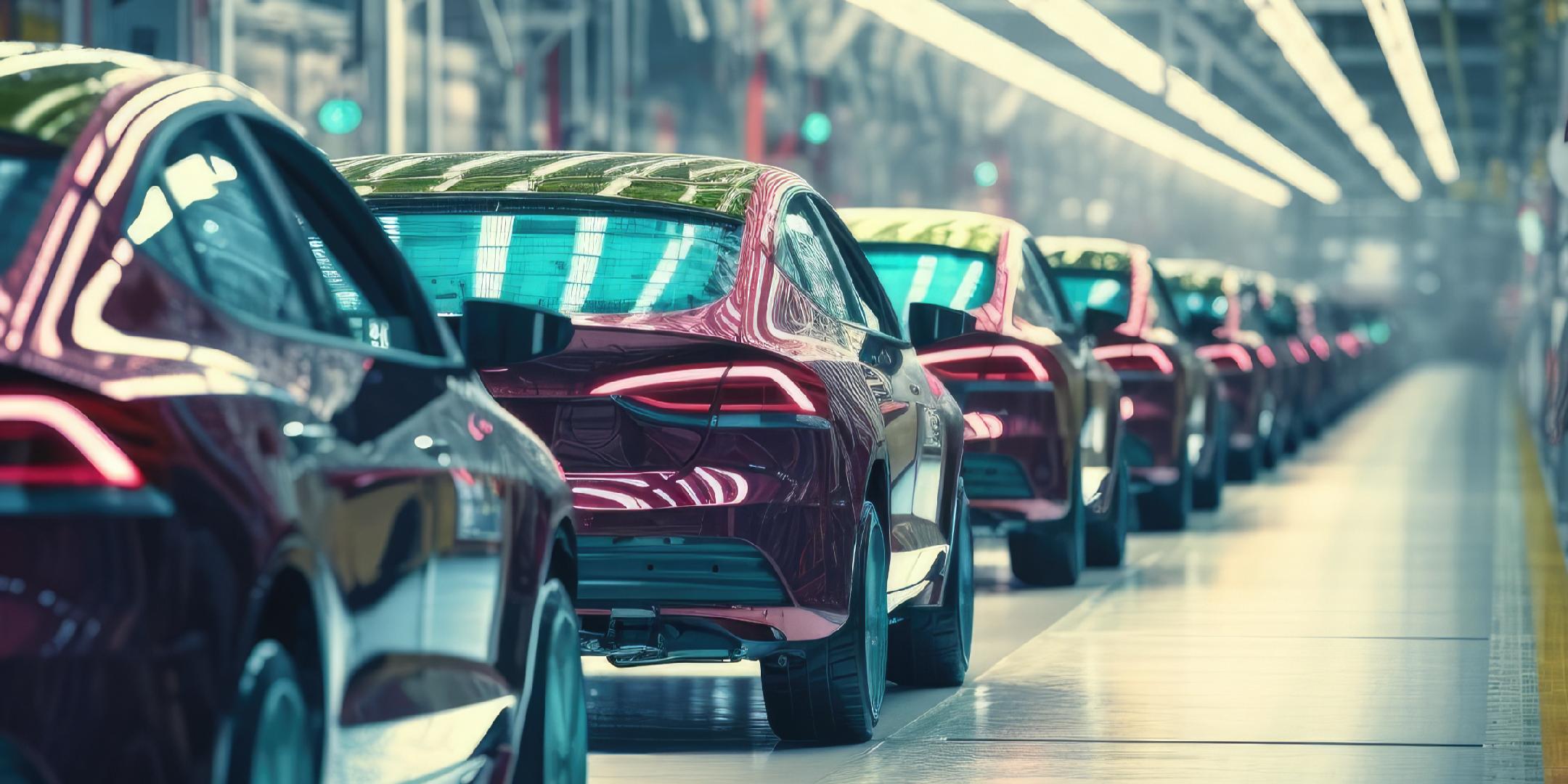
汽车产能结构性过剩

Search documents
深蓝接盘现代重庆工厂,闲置汽车产能再迎”接盘”潮
Jing Ji Guan Cha Wang· 2025-11-22 16:04
Core Insights - The automotive industry is witnessing a significant trend where manufacturers are acquiring or managing other factories to enhance their production capacity, reflecting a competitive landscape and structural overcapacity in the market [2][6][8] Group 1: Capacity Acquisition Trends - Changan Automobile has taken over Beijing Hyundai's Chongqing factory, which will be converted to a Deep Blue Automotive production line, with a formal rebranding expected by late October [2] - Geely has acquired the former SAIC-GM Beisheng factory in Shenyang, which will be remodeled to produce Galaxy brand vehicles [2] - Reports indicate that Chuangneng New Energy may take over the Weima Automotive factory in Huanggang, although this has not been officially confirmed [2] - The trend of acquiring idle capacity has shifted from independent brands to joint ventures, with Dongfeng taking over production capacity from Nissan and Shenlong Automotive this year [2][6] Group 2: Strategic Goals and Production Capacity - Geely aims to exceed 5 million vehicle sales by 2027, while Changan targets the same sales figure by 2030, driving their recent acquisitions [3] - Changan's production capacity for 2024 is projected at 2.25 million units, with a utilization rate of 84%, indicating a tight capacity situation against their sales target of 3 million units [4] - Geely's production capacity for 2024 is 4.23 million units, but its utilization rate is only 45%, primarily due to previous factory restructuring [5] Group 3: Market Dynamics and Historical Context - The automotive market has seen a shift from independent brands acquiring idle capacity to joint ventures facing closures and factory sales, reflecting changing competitive dynamics [6][7] - The market saw a significant increase in production capacity, exceeding 40 million units by 2019, but faced a downturn leading to many companies exiting the market [6][7] - The rise of new energy vehicles has led to a dramatic increase in market share for independent brands, from 35.7% in 2020 to 68.7% currently, contributing to the decline of joint venture manufacturers [7] Group 4: Policy and Local Government Initiatives - The Chinese government has initiated policies to optimize existing production capacity, with a focus on revitalizing idle assets in the automotive sector [8][9] - Local governments are actively implementing strategies to utilize existing automotive production capacity, as seen in various provinces [8][9] - The shift from "incremental expansion" to "stock optimization" is evident, with significant emphasis on activating over 20 million units of idle capacity in the new energy vehicle sector [8][9]