洗碗机本土化创新

Search documents
每10台18套洗碗机,就有1台来自这一模式
Zhong Jin Zai Xian· 2025-10-30 08:19
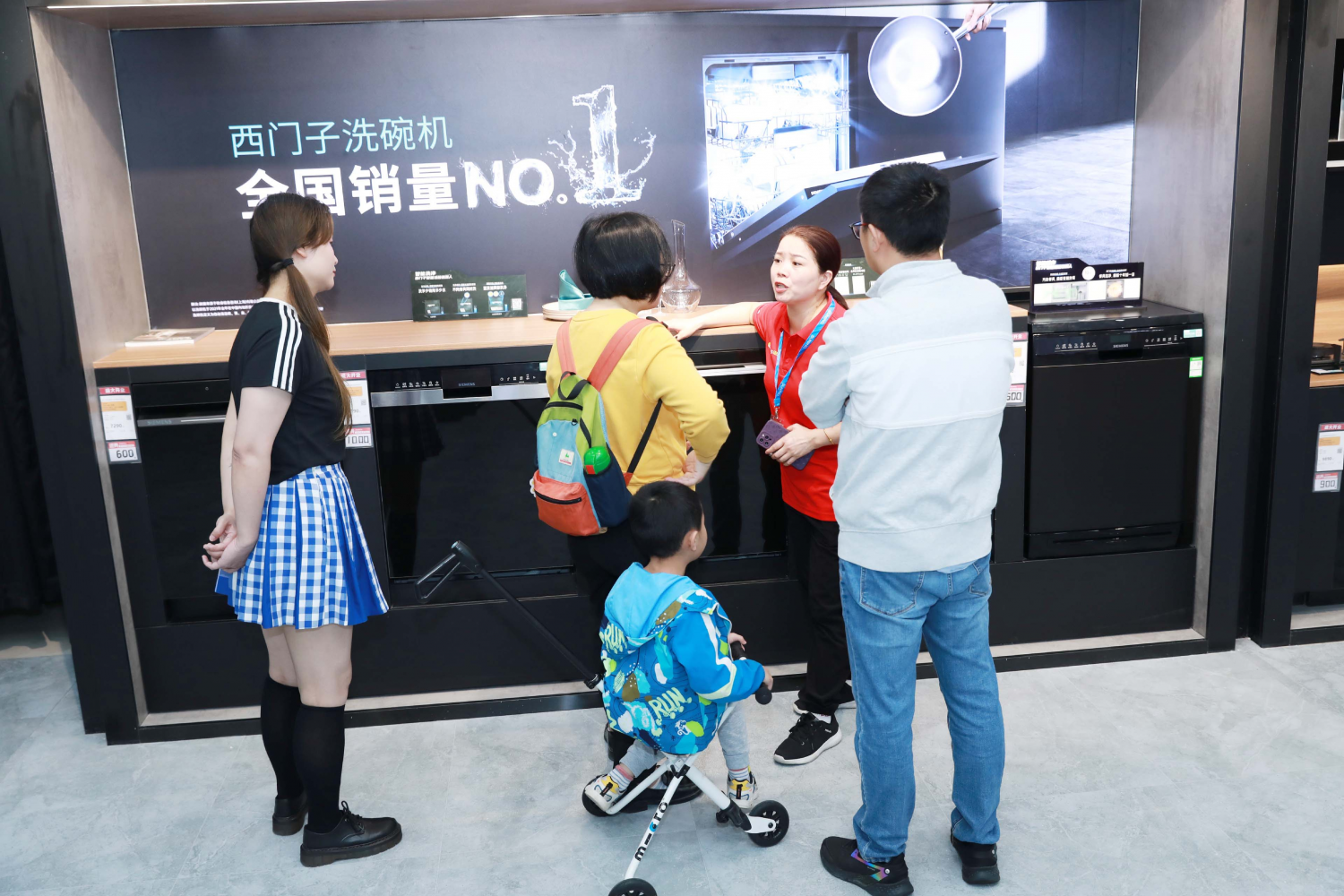
Core Insights - The "Double 11" shopping festival has sparked a kitchen revolution in Chinese households, with a significant shift towards large-capacity dishwashers, which accounted for over 67% of sales during the event [1] - The demand for dishwashers is evolving from basic cleaning to comprehensive solutions, with consumers prioritizing capacity, cleaning efficiency, drying effectiveness, and storage longevity [1][3] - Localized innovation in the dishwasher market is driven by the unique needs of Chinese cooking, which includes a variety of dishware and cooking utensils that differ from Western standards [1][5] Market Trends - In the first eight months of 2025, the retail sales of dishwashers in China reached 7.6 billion yuan, marking an 8.7% year-on-year increase [1] - The average capacity of dishwashers has increased from 13-14 sets to 15 sets, with new models exceeding 20 sets [1] - The introduction of customized dishwashers, such as the 18-set model developed by Suning and Siemens, has gained significant market traction, achieving a 10.6% market share [1][3] Consumer Preferences - A survey indicated that 63.2% of consumers consider capacity as the primary factor in their purchasing decisions [1] - There is a growing interest in multifunctional dishwashers that can wash a variety of items beyond traditional dishware, including fruits, vegetables, and even household items [3][5] Product Development - The launch of the 20-set dishwasher reflects ongoing collaboration between Suning and Bosch, focusing on advanced drying technologies that cater to Chinese consumer preferences [3] - New dishwasher designs are increasingly integrating with kitchen aesthetics, offering various forms such as water tank, drawer, and built-in models to address space constraints in smaller kitchens [5] Pricing Strategies - The "True Benefit Subsidy" initiative launched by Suning during Double 11 aims to make dishwashers more affordable, with significant price reductions on popular models [7] - For example, the subsidized price for a 20-set Siemens dishwasher is 7,499 yuan, while other brands like Midea and Casarte offer models starting at 2,999 yuan and 3,999 yuan respectively [7]


揽获双项大奖!华帝洗碗机以卓越实力引领行业“焕新”浪潮
Xin Lang Zheng Quan· 2025-10-11 02:20
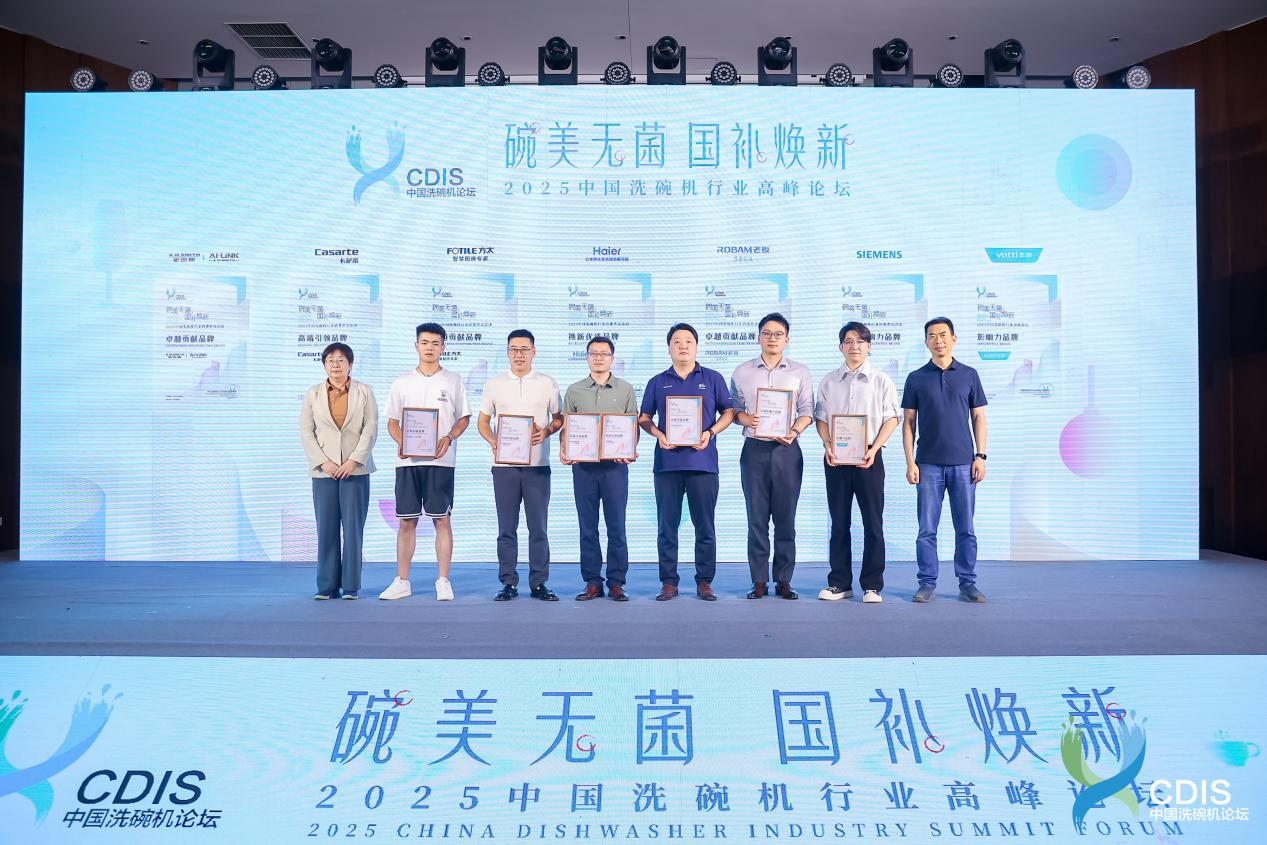
Core Insights - The dishwasher industry in China is entering a critical phase of popularization and growth, driven by government subsidies and increasing consumer demand [1][2][6] Industry Overview - The 2025 China Dishwasher Industry Summit was held on September 17 in Jingdezhen, focusing on promoting dishwashers in more Chinese households [1] - The retail sales of dishwashers reached 7.65 billion yuan in the first seven months of 2025, marking a year-on-year increase of 13.7% [2] - The current market penetration rate of dishwashers in China is only 4%, indicating significant room for growth compared to Western countries [4] Company Contributions - Vatti was awarded the "Influential Brand" title at the summit and its D3000Max model won the "2025 China Dishwasher Industry Old-for-New Preferred Product" award, reflecting its strong brand influence and product innovation [1][3][10] - Vatti has been a pioneer in localized innovation, introducing technologies such as the dual-pump residual water removal system and participating in drafting industry standards for dry-state antibacterial storage [2][4][6] Product Innovations - The D3000Max model features a "20+2 set" capacity and a multi-angle high-pressure spray arm system, achieving a 99.99999% sterilization rate [7][10] - Vatti's dishwashers incorporate advanced technologies like 110°C hot air drying and AI smart washing, addressing historical challenges in cleaning Chinese tableware [6][10] Future Outlook - The future of dishwashers in China is seen as a marathon rather than a sprint, requiring collaboration among policies, companies, channels, and consumers to drive widespread adoption [4][5] - Vatti aims to reshape kitchen ecosystems by focusing on user needs and integrating health, emotional well-being, and cultural identity into its product offerings [5][6]

按下洗碗机普及“加速键”,“双冠王”华帝的崛起之路
Zhong Jin Zai Xian· 2025-09-19 08:49
Industry Overview - The dishwasher industry in China is entering a critical phase of popularization and growth, driven by government subsidy policies [1] - The 2025 China Dishwasher Industry Summit Forum was held on September 17 in Jingdezhen, focusing on innovation and upgrading in the industry [1] - The market for dishwashers is transitioning from being an "improvement product" to a "quasi-essential household appliance" [2] Company Contributions - Vatti has been recognized as an "Influential Brand" at the forum and its D3000Max model won the "2025 China Dishwasher Industry Old-for-New Preferred Product" award, reflecting the brand's strong market presence [1][3] - Vatti has made significant contributions to knowledge dissemination in the industry, co-authoring a guidebook titled "Kitchen Liberation Plan: Dishwashers" to educate consumers [2] - The company has focused on localized innovation, introducing technologies such as dual-pump residual water removal and leading the development of industry standards for dry-state antibacterial storage [2][4] Product Innovations - The Vatti B7S model features advanced cleaning technologies and has achieved a 1-level cleaning coverage certification [4] - The D3000Max model boasts a large capacity and advanced cleaning and sterilization features, achieving a 99.99999% sterilization rate [7][9] - Vatti's dishwashers incorporate patented technologies for efficient drying and intelligent detergent dispensing, aligning with modern consumer demands for health and efficiency [9] Market Dynamics - The dishwasher market in China has a penetration rate of only 4%, indicating significant room for growth compared to Western markets [4] - The industry has evolved from imported products to localized offerings, with the market size surpassing 100 billion [4] - The future challenge is to transition dishwashers from being a luxury item to a common household necessity, requiring collaboration among policies, companies, channels, and consumers [4][5]