
流域生态保护

Search documents
巡河记 奔腾吧 赤水河
Si Chuan Ri Bao· 2026-01-13 00:25
Core Viewpoint - The article highlights the ecological recovery of the Chishui River, emphasizing the successful implementation of a fishing ban, collaborative legislative efforts among three provinces, and the significant increase in rare fish species over the past decade [3][4][12]. Group 1: Ecological Recovery - Recent monitoring indicates a significant increase in fish species and their populations in the Chishui River, with notable rises in the frequency of rare species such as Yangtze sturgeon and redfin [5][7]. - The Yangtze sturgeon achieved natural spawning and hatching in the Chishui River for the first time, marking a critical step in the reconstruction of its wild population [7][8]. - The Chishui River has restored fish species to 149 types, with a notable increase in rare and endemic fish populations, reflecting ongoing improvements in aquatic biodiversity [13][15]. Group 2: Fishing Ban and Community Transformation - The Chishui River has been under a comprehensive fishing ban for ten years, leading to a transformation of local fishermen into river guardians, with many finding new livelihoods through agriculture and aquaculture [9][11]. - The fishing ban has allowed fishermen like Fan Yonglong and Wang Zhengming to transition from traditional fishing to sustainable practices, resulting in increased income and stability [10][11]. - Approximately 16,480 fishermen in Sichuan have successfully transitioned to new livelihoods through various support measures, ensuring a smooth shift from fishing to alternative sources of income [11]. Group 3: Collaborative Legislative Efforts - In May 2021, the three provinces of Sichuan, Yunnan, and Guizhou passed joint legislation to enhance the protection of the Chishui River, marking a pioneering effort in local watershed governance in China [14]. - The collaborative approach has led to the establishment of joint patrols, information sharing, and case collaboration among local authorities, effectively breaking down administrative barriers [12][14]. - The integration of punitive and restorative justice practices has been implemented in the region, promoting community involvement in ecological governance and enhancing public awareness [14].

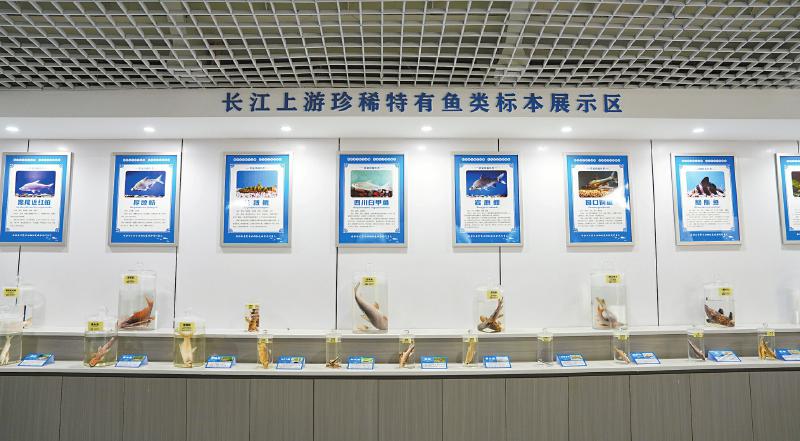
我国在长江、黄河、金沙江等主要水电基地增殖放流 水电业加快构建流域生态保护体系
Yang Guang Wang· 2025-06-07 01:22
Core Viewpoint - The Chinese hydropower industry is accelerating the establishment of an ecological protection system in river basins, with significant advancements in the protection technology of rare fish species, as evidenced by the release of millions of fish into major rivers like the Yangtze and Yellow Rivers [1][2] Group 1: Fish Release Initiatives - Approximately 6.43 million fish have been released in a recent initiative, with plans from eight state-owned energy enterprises to release over 26 million fish in total this year [1] - Specific releases include 50,000 rare fish fry in the Jinsha River and 620,000 Yangtze sturgeons in the Yangtze River, highlighting the focus on endangered species [1] - The Three Gorges Group has successfully released over 2.6 million Yangtze sturgeons, showcasing advancements in artificial breeding technology [1] Group 2: Ecological Impact and Future Plans - The release of over 20 million rare indigenous fish is expected to improve the natural aquatic environment and aid in the protection of endangered species and aquatic biodiversity [2] - The initiative marks a shift from "rescue protection" to "systematic restoration" of rare fish species, with a record high release planned for 2024 [2] - The Ministry of Ecology and Environment is working on establishing a technical standard system for fish release, ensuring scientific determination of species, scale, and locations for future releases [2]