
流域协同治理

Search documents
巡河记 奔腾吧 赤水河
Si Chuan Ri Bao· 2026-01-13 00:25
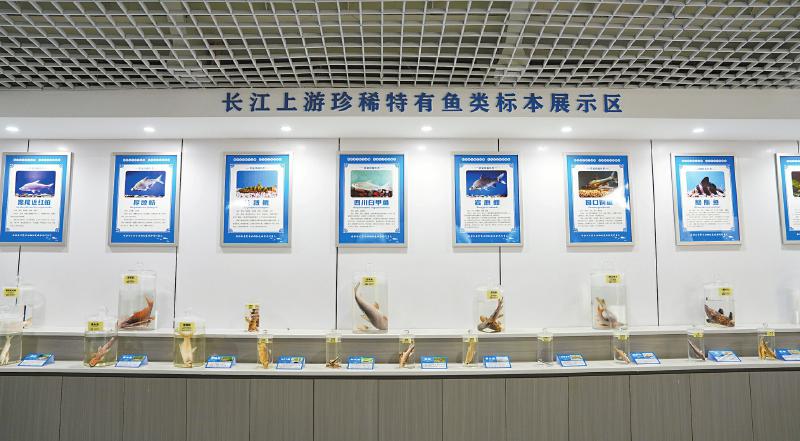
Core Viewpoint - The article highlights the ecological recovery of the Chishui River, emphasizing the successful implementation of a fishing ban, collaborative legislative efforts among three provinces, and the significant increase in rare fish species over the past decade [3][4][12]. Group 1: Ecological Recovery - Recent monitoring indicates a significant increase in fish species and their populations in the Chishui River, with notable rises in the frequency of rare species such as Yangtze sturgeon and redfin [5][7]. - The Yangtze sturgeon achieved natural spawning and hatching in the Chishui River for the first time, marking a critical step in the reconstruction of its wild population [7][8]. - The Chishui River has restored fish species to 149 types, with a notable increase in rare and endemic fish populations, reflecting ongoing improvements in aquatic biodiversity [13][15]. Group 2: Fishing Ban and Community Transformation - The Chishui River has been under a comprehensive fishing ban for ten years, leading to a transformation of local fishermen into river guardians, with many finding new livelihoods through agriculture and aquaculture [9][11]. - The fishing ban has allowed fishermen like Fan Yonglong and Wang Zhengming to transition from traditional fishing to sustainable practices, resulting in increased income and stability [10][11]. - Approximately 16,480 fishermen in Sichuan have successfully transitioned to new livelihoods through various support measures, ensuring a smooth shift from fishing to alternative sources of income [11]. Group 3: Collaborative Legislative Efforts - In May 2021, the three provinces of Sichuan, Yunnan, and Guizhou passed joint legislation to enhance the protection of the Chishui River, marking a pioneering effort in local watershed governance in China [14]. - The collaborative approach has led to the establishment of joint patrols, information sharing, and case collaboration among local authorities, effectively breaking down administrative barriers [12][14]. - The integration of punitive and restorative justice practices has been implemented in the region, promoting community involvement in ecological governance and enhancing public awareness [14].

四川“十四五”筑牢水生态屏障 实现一江清水浩荡东流
Zhong Guo Xin Wen Wang· 2025-11-14 00:45
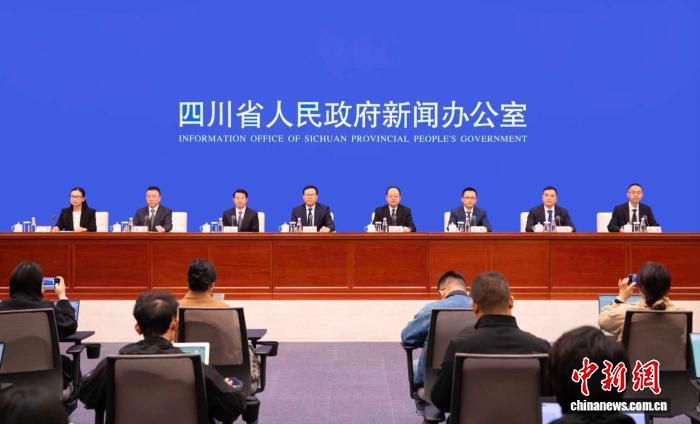
Core Viewpoint - Sichuan Province has achieved the best ecological environment quality in nearly 20 years since the "14th Five-Year Plan," with significant improvements in water quality and environmental governance [1][3]. Group 1: Water Quality Improvement - Water environment quality in Sichuan ranks among the best in the country, with 100% of 203 national monitoring sections and 142 provincial monitoring sections meeting quality standards for two consecutive years [1][3]. - The water quality of the Yangtze and Yellow Rivers has consistently maintained Class II or above, indicating stable and high-quality water resources [1][3]. Group 2: Governance and Collaboration - Sichuan has implemented a collaborative governance mechanism for river basins, emphasizing shared responsibilities and outcomes among upstream and downstream regions [4][5]. - Legislative measures have been taken, including the establishment of protection regulations for the Jialing River and the Chishui River, facilitating unified legal standards for cross-border river management [4]. Group 3: Urban and Rural Integration - The province has adopted an integrated approach to urban and rural water governance, completing remediation tasks for 457 industrial parks and 31,000 pollution outlets, resulting in a 28.4% reduction in average total phosphorus concentration in the Yangtze River since 2020 [4][5]. - Rural wastewater management has reached a control rate of 78%, with the establishment of five national and 29 provincial beautiful rivers and lakes [4]. Group 4: Ecological Restoration - Sichuan has successfully completed significant ecological restoration projects, including the integrated protection of wetlands and grasslands in the Yellow River upstream area, restoring 3.4875 million acres [5]. - The province has also initiated a "clean-up action" for historical mining sites along the Yangtze and Yellow Rivers, with a restoration area of 44,100 acres during the "14th Five-Year Plan" period [5].
张子龙:走出黄河流域治理新路
Jing Ji Ri Bao· 2025-07-15 23:59
Core Insights - Gansu Province plays a crucial role in the ecological security strategy of the Yellow River basin, focusing on ecological protection and economic development since the "14th Five-Year Plan" [1][4] - The province has implemented significant ecological restoration projects, leading to enhanced water source conservation, improved water quality, and effective water resource utilization [1][2] Ecological Restoration Achievements - Water source conservation capacity has steadily increased, with natural grassland yield and height reaching a peak in the past decade in Gannan Grassland [1] - Water quality has seen historic improvements, with the Yellow River's main stream maintaining Class II water quality for nine consecutive years, and 97.56% of monitored sections showing good water quality [1] - The area of over-extracted groundwater in Gansu has decreased by 1,059 square kilometers since 2016, with severe over-extraction zones completely eliminated [1] Innovative Governance Models - Gansu is exploring technology-driven solutions for ecological governance, establishing a smart monitoring network along the Yellow River with 19 automatic water quality monitoring stations and 251 smart monitoring devices [2] - The province has created a collaborative ecological compensation mechanism with neighboring provinces and initiated pilot projects in 24 counties [2] Green Development Initiatives - Gansu is integrating the concept of "green mountains and clear waters are invaluable assets" into its development practices, promoting eco-industrialization and cultural tourism [3] - The province has accelerated the green and low-carbon transformation of industries, with 129 green factories and 13 green mines established [3] - Innovative financing tools like "Silk Road Carbon Credits" have been introduced, with 17 projects receiving climate investment credits totaling 12.5 billion yuan [3] Challenges Ahead - Gansu faces ongoing challenges, including risks of water source conservation degradation, water resource constraints, and pressures for industrial structural transformation [4] - Future efforts should focus on systemic solutions to structural contradictions, enhancing ecological resource value, and achieving breakthroughs in collaborative governance and technological innovation [4]