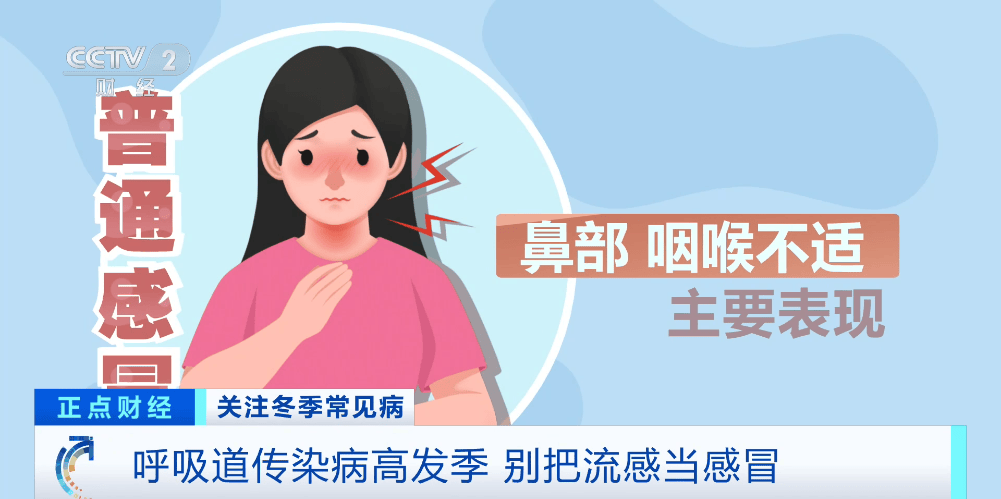
流感与感冒区别

Search documents
科学应对流感 避开用药误区
Xin Lang Cai Jing· 2025-12-24 16:48
Core Viewpoint - The article emphasizes the importance of understanding the differences between flu and common cold, proper medication usage, and avoiding common medication misconceptions during flu season [2][4]. Group 1: Differences Between Flu and Common Cold - Flu is caused by influenza viruses (type A and B) and is highly contagious, while common cold is mainly caused by rhinoviruses and coronaviruses, which are less contagious [2]. - Symptoms of flu include high fever (39-40°C), muscle aches, and severe fatigue, whereas common cold symptoms are milder, such as nasal congestion and low-grade fever [2]. - Treatment for flu involves antiviral medications to prevent severe illness, while common cold treatment focuses on symptom relief [2]. Group 2: Proper Use of Antiviral Medications - Antiviral medications like Oseltamivir and Baloxavir are effective if taken within 48 hours of symptom onset, known as the "golden window" for treatment [3]. - It is crucial to administer the correct dosage based on the child's weight and to consult a doctor before giving medication to children under 2 years old [3][6]. - Misuse of antiviral medications, such as taking them without a confirmed flu diagnosis, can lead to ineffective treatment and potential health risks [3]. Group 3: Common Medication Misconceptions - Using antibiotics for flu is ineffective as flu is caused by a virus, and misuse can lead to antibiotic resistance [4]. - Stopping antiviral medication prematurely can allow the virus to survive and potentially lead to a relapse or resistance [4]. - Combining multiple medications without understanding their components can result in overdose and increased health risks [4]. Group 4: Special Considerations for Vulnerable Populations - Elderly individuals, pregnant women, and those with chronic illnesses should be cautious with medication, as they are at higher risk for severe flu complications [5][6]. - It is recommended for pregnant women to use Oseltamivir under medical supervision to mitigate risks to both mother and baby [6]. - Chronic disease patients should continue their regular medications alongside antiviral treatments to manage their conditions effectively [6]. Group 5: Guidelines for Home Medication - Avoid stockpiling antiviral medications due to their expiration dates and the need for a confirmed flu diagnosis before use [7]. - Keep essential symptom-relief medications on hand, such as acetaminophen and cough suppressants, to manage flu symptoms effectively [7]. - Prioritize flu prevention through vaccination and hygiene practices, as these are more effective than relying solely on medications [7].
别把流感当感冒!感冒与流感症状有哪些区别?专家解读→
Sou Hu Cai Jing· 2025-11-21 11:43
Core Viewpoint - The article highlights the significant increase in influenza activity in China as the country enters the peak season for respiratory infectious diseases, emphasizing the differences between common cold and influenza symptoms [1][3]. Group 1: Disease Overview - The monitoring by the Chinese Center for Disease Control and Prevention indicates a clear rise in flu activity during the current high-incidence season for respiratory diseases [1]. - Common cold symptoms primarily include nasal and throat discomfort, typically without high fever, and the illness usually has a shorter duration [3]. - Influenza is characterized by high fever, body aches, and more severe symptoms, necessitating prompt medical attention [3]. Group 2: Health Recommendations - Health experts recommend maintaining good hygiene practices such as frequent handwashing and ensuring proper ventilation in living spaces [5]. - It is advised to avoid using chemical disinfectants at home, as they may irritate the respiratory system, especially for individuals with allergies or asthma [5].