
呼吸道传染病

Search documents
常见呼吸道传染病及典型症状
Xin Lang Cai Jing· 2026-02-06 16:48
Group 1 - Influenza is characterized by high fever (temperature can reach 39℃-40℃), headache, muscle pain, and general discomfort, often accompanied by sore throat, dry cough, nasal congestion, runny nose, and facial flushing [1] - Rhinovirus infection presents with symptoms such as cough, nasal congestion, sneezing, mild headache, fatigue, and body aches [2] - Respiratory syncytial virus infection is common in children under 5 years old, the elderly, and immunocompromised individuals, typically associated with cough, sore throat, shortness of breath, or runny nose [3] Group 2 - Meningococcal meningitis manifests with sudden high fever, severe headache, frequent vomiting, skin petechiae, neck stiffness, drowsiness or irritability, and in severe cases, can lead to shock, coma, or disseminated intravascular coagulation [4] - Measles is marked by high fever, followed by the appearance of red maculopapular rashes starting from behind the ears and face, spreading downwards, along with symptoms like runny nose, sneezing, cough, tearing, photophobia, and conjunctivitis [5]
流感渐歇 所有省份均已降至中流行或低流行水平
Jin Rong Jie· 2026-02-06 05:25
Core Insights - The current respiratory infectious disease situation in China is still in a high incidence season but shows an overall declining trend [1] - The influenza epidemic is at a moderate epidemic level [1] - The positive detection rate of respiratory syncytial virus is on a downward trend, while rhinovirus, parainfluenza virus, and common coronavirus are still active at certain levels [1]
我国流感活动总体降至中流行水平
Xin Lang Cai Jing· 2025-12-25 15:18
Core Insights - The overall influenza activity in China is at a moderate epidemic level, with a declining trend in the positivity rate of influenza virus detections across provinces [1] - The monitoring results from December 15 to 21 indicate that only known common pathogens were detected, with no new infectious diseases identified [1] - Respiratory syncytial virus (RSV) positivity rates are on the rise, particularly in northern provinces, while southern provinces maintain relatively low levels [1] Summary by Categories Influenza Activity - Influenza virus is the primary pathogen detected, with the overall activity at a moderate epidemic level [1] - Most provinces in North, Northeast, Southwest, and Northwest regions have reached a moderate epidemic level, while Eastern, Southern, and Central regions remain at a high epidemic level [1] - Reports of school cluster outbreaks have significantly decreased [1] Other Respiratory Pathogens - The positivity rate for respiratory syncytial virus is increasing, with northern provinces showing a continuous rise for three weeks [1] - The positivity rate for rhinovirus has shown fluctuations [1] - The positivity rates for COVID-19 and other monitored respiratory pathogens are generally low [1] Recommendations - To mitigate the impact of respiratory infectious diseases, it is advised that key institutions such as kindergartens, primary and secondary schools, and nursing homes implement health monitoring and timely outbreak management [1]
国家卫健委:流感不要硬抗 出现这些情况要及时就诊
Yang Shi Xin Wen Ke Hu Duan· 2025-12-19 07:54
Group 1 - The current respiratory infectious disease epidemic in China is still at a high incidence level, with influenza virus being the main pathogen, alongside respiratory syncytial virus and rhinovirus [1] - Recent reports indicate a decline in influenza activity this week, but it remains at a high epidemic level, with the H3N2 subtype being the predominant strain [1] - The peak time for influenza outbreaks in southern provinces is slightly later than in northern provinces, influenced by factors such as temperature drops and cold air, which can damage respiratory mucosa and reduce its defense capabilities [1] Group 2 - Influenza should not be regarded as a common cold; it can lead to severe complications if untreated, such as pneumonia and myocarditis [2] - Symptoms of pneumonia include persistent high fever, worsening cough, and shortness of breath, which are critical indicators for seeking medical attention [3] - High-risk groups for severe influenza include individuals over 65, children under 3, pregnant women, obese individuals, and those with chronic conditions, who should seek medical care promptly if symptoms arise [3]
中国疾病预防控制中心:当前我国已进入呼吸道传染病高发季节 疫情总体呈上升趋势
Yang Shi Xin Wen· 2025-12-01 03:46
Core Insights - The positive rate of influenza cases in emergency departments across China has approached 45%, indicating a significant rise in flu activity nationwide [1] - The overall flu activity in the country has reached a moderate epidemic level, with some provinces experiencing high epidemic levels [1] - China is currently in a peak season for respiratory infectious diseases, with an overall upward trend in the epidemic situation, suggesting that flu activity will continue to rise [1]
流感来袭,小儿易感,专家支招辨病情
Xin Hua She· 2025-11-26 18:14
Core Insights - The current respiratory pathogens are exhibiting a "multi-strain mixed combat" characteristic, with a notable increase in influenza virus positivity rates, particularly affecting children [1][2] - The three-step identification method proposed by experts helps parents assess their child's condition, focusing on mental state, respiratory symptoms, and temperature changes [1] Group 1: Respiratory Pathogens - The prevalent respiratory pathogens include influenza virus, rhinovirus, and respiratory syncytial virus (RSV), with influenza showing significant positivity rates [1] - Influenza symptoms include high fever and body aches, while RSV primarily affects infants under 2 years old, potentially leading to bronchiolitis [1] - Rhinovirus is a common cause of colds and is a major contributor to recurrent colds in children [1] Group 2: Parental Guidance - Parents are advised to observe their child's mental state, respiratory condition, and temperature to differentiate between common cold and more severe illnesses like influenza or pneumonia [1] - Symptoms indicating severe illness include lethargy, irritability, rapid breathing, and persistent high fever [1] Group 3: Treatment and Prevention - Influenza patients should follow medical advice for treatment, maintain good nutrition, stay hydrated, and consume easily digestible foods [2] - High-risk groups, including the elderly, chronic disease patients, children, and pregnant women, should seek medical attention promptly if they exhibit fever during flu season [2] - Vaccination against influenza is recommended for high-risk groups before the flu season begins [2]
全国流感活动快速上升,北京已迈入呼吸道传染病高发期!北京奥司他韦近7天销量暴涨237%,速福达(玛巴洛沙韦)涨幅达180%
Ge Long Hui· 2025-11-25 02:49
Core Insights - The flu activity in China has rapidly increased since November, with Beijing entering a high incidence period for respiratory infectious diseases [1] - Sales of antiviral medications have surged, with Oseltamivir experiencing a 237% increase in sales over the past week, and Favipiravir (Mabalaosavir) seeing an increase of 180% [1] - Despite the surge in demand for flu medications, inventory levels for popular antiviral drugs remain sufficient, with availability for both online and offline purchases [1]
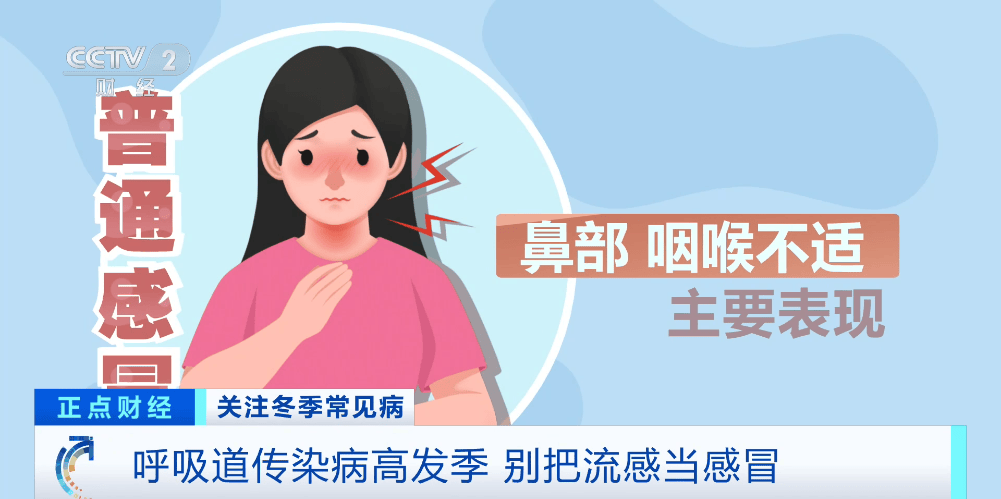
别把流感当感冒!感冒与流感症状有哪些区别?专家解读→
Sou Hu Cai Jing· 2025-11-21 11:43
Core Viewpoint - The article highlights the significant increase in influenza activity in China as the country enters the peak season for respiratory infectious diseases, emphasizing the differences between common cold and influenza symptoms [1][3]. Group 1: Disease Overview - The monitoring by the Chinese Center for Disease Control and Prevention indicates a clear rise in flu activity during the current high-incidence season for respiratory diseases [1]. - Common cold symptoms primarily include nasal and throat discomfort, typically without high fever, and the illness usually has a shorter duration [3]. - Influenza is characterized by high fever, body aches, and more severe symptoms, necessitating prompt medical attention [3]. Group 2: Health Recommendations - Health experts recommend maintaining good hygiene practices such as frequent handwashing and ensuring proper ventilation in living spaces [5]. - It is advised to avoid using chemical disinfectants at home, as they may irritate the respiratory system, especially for individuals with allergies or asthma [5].

我国流感疫情整体进入中流行水平
Xin Jing Bao· 2025-11-15 04:50
Core Insights - The overall trend of respiratory infectious diseases in China is on the rise, with influenza activity entering a rapid increase phase and expected to continue for some time [1][2] - The percentage of influenza-like cases reported by sentinel hospitals reached 5.5% during the week of November 3-9, 2025 [1] - The detection rates of respiratory pathogens show that influenza virus (29.8%), rhinovirus (10.7%), and respiratory syncytial virus (6.1%) are the top three pathogens in outpatient settings, while rhinovirus (10.0%), influenza virus (9.8%), and respiratory syncytial virus (8.0%) lead in severe acute respiratory infection cases [1] Summary by Category Influenza Activity - The influenza epidemic in China is currently at a moderate level, with most provinces outside East China experiencing moderate to high levels of influenza activity [1] - There has been a significant increase in reported outbreaks in schools, particularly among the 5-14 age group, which shows a higher positive detection rate compared to other age groups [1] Other Respiratory Viruses - The detection rate of respiratory syncytial virus is fluctuating at a high level in northern provinces, while southern provinces show a declining trend [2] - Enteroviruses and rhinoviruses are experiencing a downward trend, with higher detection rates in the under-14 age group [2] - The overall positivity rate for the novel coronavirus and other monitored respiratory pathogens remains low [2] Recommendations for Public Health - It is recommended that all individuals aged 6 months and older without contraindications receive the influenza vaccine, especially high-risk groups [3] - Public health measures include health monitoring in key institutions, mask-wearing in crowded places, maintaining good hygiene practices, and promoting a healthy lifestyle to enhance immunity [3]
中新健康丨呼吸道传染病流行季来了 婴幼儿警惕呼吸道合胞病毒感染
Zhong Guo Xin Wen Wang· 2025-11-14 05:20
Core Viewpoint - The article highlights the onset of the respiratory infectious disease season in China, emphasizing the increased risk of respiratory syncytial virus (RSV) infections among infants and young children, particularly in the context of rising cases of various acute respiratory infections [1] Group 1: Disease Trends - The overall trend of acute respiratory infections, including influenza, RSV, and rhinovirus infections, is on the rise in China [1] - RSV is noted to be endemic in southern regions year-round, while northern regions experience a more distinct seasonal peak from October to April [1] Group 2: Vulnerable Populations - Children under the age of 5 are at a higher risk of infection, with the highest risk observed in infants under 1 year old [1] - Mixed infections with other viruses can lead to severe cases, necessitating enhanced prevention and control measures [1]