
流量争夺战

Search documents
广告小游戏崛起,字节腾讯押注下一个流量金矿
3 6 Ke· 2025-11-25 00:31
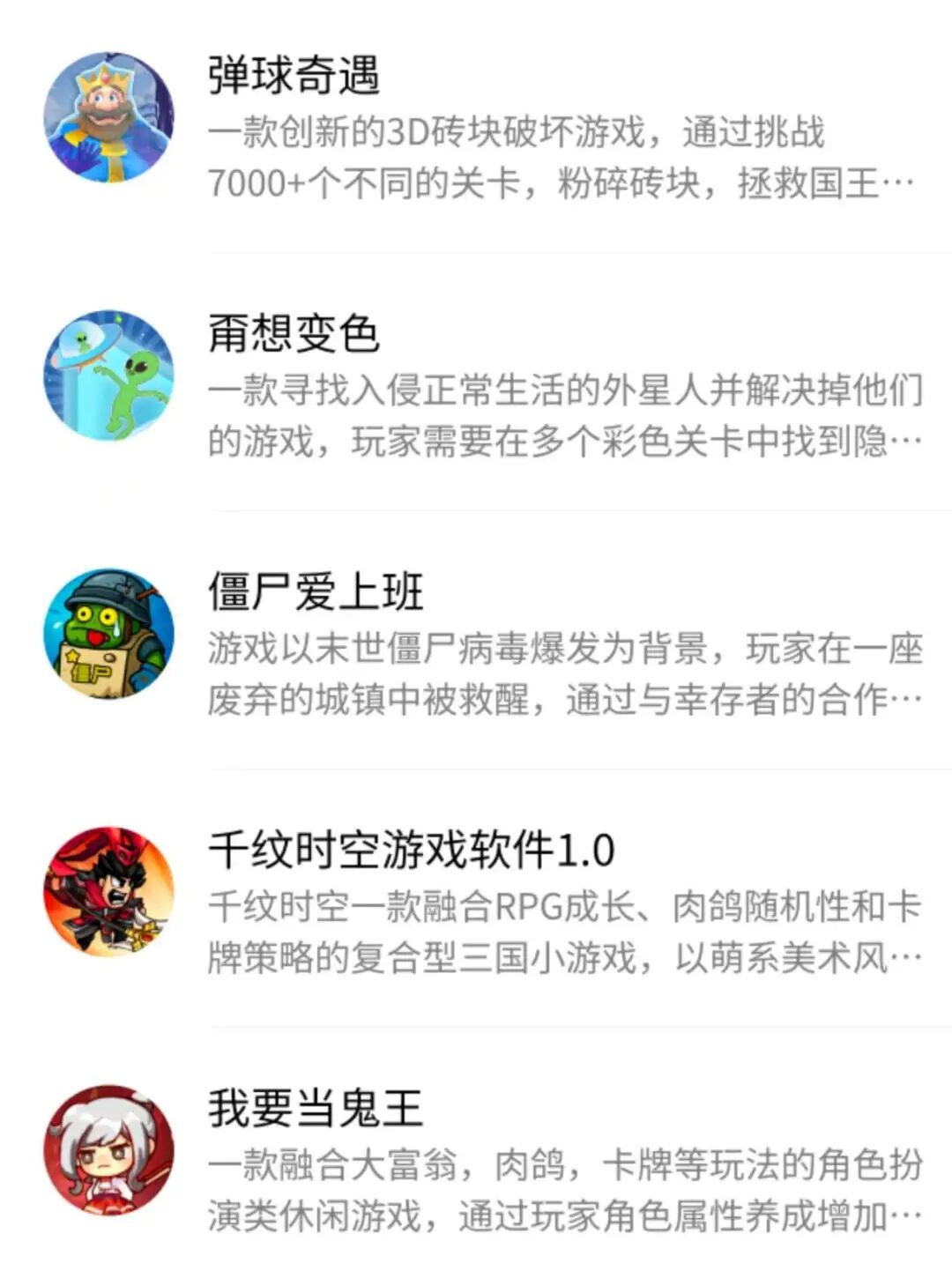
Core Insights - Tencent and ByteDance are intensifying their efforts in the advertising mini-game sector, with Tencent launching over 10 mini-games and ByteDance's "Dream Sudoku" reaching over 5.5 million users [1][14] - The rise of lightweight entertainment products like mini-games is becoming a new battleground for major companies to capture user attention and engagement [1][22] Tencent's Strategy - Tencent is significantly increasing its self-developed mini-games and also acquiring third-party games for further development, showcasing a well-planned product strategy [3][9] - The company has launched 9 mini-games across various genres, including brick-breaking and card strategy, to avoid internal competition and maintain user interest through rapid iteration [3][10] Revenue Generation - The core model of mini-games involves watching ads to unlock features, with top games reportedly generating over 1 million in daily ad revenue [2][22] - Users typically engage with ads 5-10 times per day, making this a low-cost, high-return investment for major companies [2][22] ByteDance's Approach - ByteDance's "Dream Sudoku" simplifies traditional Sudoku gameplay, attracting a large user base through its low entry barrier and social features [14][19] - The game integrates ads and payment options seamlessly within the Douyin ecosystem, enhancing user experience and ad conversion rates [19][20] Market Dynamics - The competition among major players is driven by the need to convert traffic into revenue, with mini-games effectively bridging the gap between user engagement and monetization [22][23] - However, the market faces challenges such as content homogeneity and potential user fatigue from excessive ad placements [22][23] Future Outlook - The sustainability of the mini-game trend will depend on companies' ability to innovate and differentiate their offerings, potentially by integrating popular IPs or enhancing user experience through technology [23][24] - The current industry excitement reflects a rush to capitalize on traffic opportunities, but long-term success will hinge on overcoming the challenges of content saturation and user retention [23][24]


流量争夺战里,探店还是门好生意吗
Qi Lu Wan Bao· 2025-05-15 23:31
Core Insights - The exploration economy is facing significant challenges as the number of content creators and the saturation of similar content increase, leading to a fierce competition for attention and revenue [1][2][5] Group 1: Industry Trends - As of November 2024, over 3.36 million individuals on Douyin are earning income through exploration content, while the number of creators on Xiaohongshu is expected to exceed 80 million by April 2025 [1] - The shift from platforms like Dazhong Dianping to Xiaohongshu and Douyin has changed the dynamics of the exploration economy, with businesses now favoring Xiaohongshu for its broader reach with a single budget [2][4] - The competition has led to a decline in the effectiveness of traditional strategies, with creators struggling to gain followers and secure advertising deals [2][5] Group 2: Creator Challenges - Many creators are experiencing reduced income due to fewer advertising opportunities and lower fees, forcing some to accept lower-quality partnerships that harm their reputation [2][3] - The prevalence of fake data and inflated follower counts among creators has created an unfair environment for those who prioritize genuine engagement and quality content [3] Group 3: Business Perspectives - Business owners express mixed feelings towards exploration creators, appreciating the exposure but frustrated by non-paying creators who occupy space without contributing to sales [4] - There is a growing sentiment among businesses that investing in genuine product quality and customer satisfaction may yield better long-term results than relying solely on influencer marketing [4][5] - The current economic climate has led brands to reduce budgets and focus on targeted advertising, indicating a shift in how businesses view the role of creators in their marketing strategies [4][5]