浪潮经济

Search documents
街边最“冷清”的生意,撑起一个“中国小迪拜”
创业邦· 2026-03-15 10:48
Core Viewpoint - The article highlights the resilience and growth of the hardware retail industry in China, particularly focusing on Yongkang, which has become a significant hub for hardware manufacturing despite lacking natural resources [5][8]. Group 1: Industry Overview - The total number of retail hardware stores in China is approximately 1 million, which is double that of milk tea shops, indicating a strong survival rate for hardware stores despite the rise of e-commerce [5]. - Yongkang is recognized as the "hardware capital" of China, producing a significant portion of global hardware products, including 30% of thermal cups and 70% of anti-theft doors [5][9]. - The hardware industry in Yongkang achieved an industrial output value of 1,048 billion yuan in 2024, accounting for over 90% of the city's industrial output and more than 80% of its GDP [9][12]. Group 2: Economic Indicators - Yongkang's average housing price is around 30,000 yuan per square meter for new homes and over 25,000 yuan for second-hand homes, indicating a high level of wealth in the region [8]. - The per capita GDP of Yongkang reached 134,119 yuan (approximately 18,832 USD) in 2024, significantly exceeding the national average and approaching developed country levels [8][9]. - The city has 12 enterprises that pay over 100 million yuan in taxes annually, showcasing the economic strength of the hardware industry [9]. Group 3: Historical Context and Development - Yongkang has a long history of metalworking, dating back to the Han Dynasty, which has contributed to its current status as a manufacturing hub [12]. - The lack of mineral resources has led to a unique development model where local craftsmen have historically relied on recycling scrap metal as a resource for production [12][13]. - The city has developed a complete industrial chain, from raw material processing to logistics, allowing for efficient production and distribution [12][13]. Group 4: Market Dynamics and Trends - The rise of e-commerce has transformed the sales landscape for Yongkang's hardware products, with local businesses adapting quickly to market demands [15][16]. - Yongkang's manufacturers are known for their ability to pivot production lines rapidly in response to emerging trends, capitalizing on the "wave economy" [16][17]. - The local market continues to demand affordable, non-branded products, indicating a sustained opportunity for low-cost manufacturing despite challenges in attracting high-end talent [17][19].

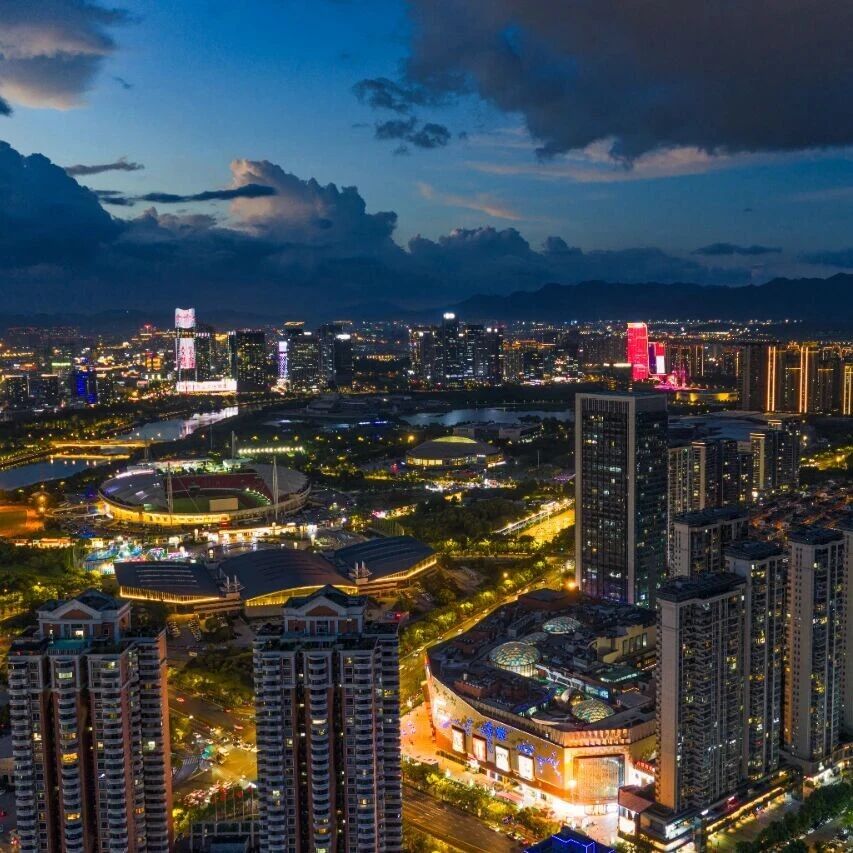
街边不起眼的五金生意,一群浙商狂揽千亿
投中网· 2026-03-10 09:47
Core Viewpoint - The article highlights the resilience and growth of hardware stores in China, particularly in the context of the thriving hardware industry in Yongkang, which has become a significant economic hub despite lacking natural resources [6][12][25]. Group 1: Hardware Industry Overview - The total number of retail hardware stores in China is approximately 1 million, which is double that of milk tea shops, indicating a strong survival rate for hardware stores amidst the challenges faced by physical retail [6]. - Yongkang is recognized as the "hardware capital" of China, contributing significantly to the global supply of various hardware products, including 30% of thermal cups and 70% of anti-theft doors [10][12]. - In 2024, Yongkang's industrial output value reached 104.8 billion yuan, with the hardware industry accounting for over 90% of the city's industrial output and more than 80% of its GDP [23]. Group 2: Economic Indicators - Yongkang's average new housing price is nearly 30,000 yuan per square meter, with second-hand housing prices exceeding 25,000 yuan per square meter, positioning it among the highest in Zhejiang province [18]. - The per capita GDP of Yongkang in 2024 is projected to be 134,119 yuan (approximately 18,832 USD), significantly above the national average, indicating a high level of wealth among its residents [21]. - The city has 12 enterprises that pay over 100 million yuan in taxes annually, showcasing the economic strength of its businesses [22]. Group 3: Unique Economic Model - Yongkang's hardware industry thrives despite the absence of metal mineral resources, relying instead on a historical tradition of craftsmanship and a robust recycling system for raw materials [28][33]. - The city has developed a comprehensive industrial chain, with specialized production in various hardware categories, supported by its proximity to major trade hubs like Yiwu and Ningbo [35][36]. - The rise of e-commerce has allowed Yongkang's hardware businesses to adapt quickly to market demands, with a significant portion of sales now occurring online [40][44]. Group 4: Market Dynamics and Trends - Yongkang's manufacturers are adept at quickly pivoting to produce trending products, capitalizing on market opportunities and consumer demands [49][52]. - The local economy benefits from a "wave economy," where businesses rapidly respond to emerging trends, although this approach may limit the development of high-end brands [54][58]. - The ongoing growth of outdoor and smart home markets presents new opportunities for Yongkang's hardware industry, further driving economic expansion [58].