防盗门

Search documents
街边最“冷清”的生意,撑起一个“中国小迪拜”
创业邦· 2026-03-15 10:48
Core Viewpoint - The article highlights the resilience and growth of the hardware retail industry in China, particularly focusing on Yongkang, which has become a significant hub for hardware manufacturing despite lacking natural resources [5][8]. Group 1: Industry Overview - The total number of retail hardware stores in China is approximately 1 million, which is double that of milk tea shops, indicating a strong survival rate for hardware stores despite the rise of e-commerce [5]. - Yongkang is recognized as the "hardware capital" of China, producing a significant portion of global hardware products, including 30% of thermal cups and 70% of anti-theft doors [5][9]. - The hardware industry in Yongkang achieved an industrial output value of 1,048 billion yuan in 2024, accounting for over 90% of the city's industrial output and more than 80% of its GDP [9][12]. Group 2: Economic Indicators - Yongkang's average housing price is around 30,000 yuan per square meter for new homes and over 25,000 yuan for second-hand homes, indicating a high level of wealth in the region [8]. - The per capita GDP of Yongkang reached 134,119 yuan (approximately 18,832 USD) in 2024, significantly exceeding the national average and approaching developed country levels [8][9]. - The city has 12 enterprises that pay over 100 million yuan in taxes annually, showcasing the economic strength of the hardware industry [9]. Group 3: Historical Context and Development - Yongkang has a long history of metalworking, dating back to the Han Dynasty, which has contributed to its current status as a manufacturing hub [12]. - The lack of mineral resources has led to a unique development model where local craftsmen have historically relied on recycling scrap metal as a resource for production [12][13]. - The city has developed a complete industrial chain, from raw material processing to logistics, allowing for efficient production and distribution [12][13]. Group 4: Market Dynamics and Trends - The rise of e-commerce has transformed the sales landscape for Yongkang's hardware products, with local businesses adapting quickly to market demands [15][16]. - Yongkang's manufacturers are known for their ability to pivot production lines rapidly in response to emerging trends, capitalizing on the "wave economy" [16][17]. - The local market continues to demand affordable, non-branded products, indicating a sustained opportunity for low-cost manufacturing despite challenges in attracting high-end talent [17][19].

街边不起眼的五金生意,一群浙商狂揽千亿
投中网· 2026-03-10 09:47
Core Viewpoint - The article highlights the resilience and growth of hardware stores in China, particularly in the context of the thriving hardware industry in Yongkang, which has become a significant economic hub despite lacking natural resources [6][12][25]. Group 1: Hardware Industry Overview - The total number of retail hardware stores in China is approximately 1 million, which is double that of milk tea shops, indicating a strong survival rate for hardware stores amidst the challenges faced by physical retail [6]. - Yongkang is recognized as the "hardware capital" of China, contributing significantly to the global supply of various hardware products, including 30% of thermal cups and 70% of anti-theft doors [10][12]. - In 2024, Yongkang's industrial output value reached 104.8 billion yuan, with the hardware industry accounting for over 90% of the city's industrial output and more than 80% of its GDP [23]. Group 2: Economic Indicators - Yongkang's average new housing price is nearly 30,000 yuan per square meter, with second-hand housing prices exceeding 25,000 yuan per square meter, positioning it among the highest in Zhejiang province [18]. - The per capita GDP of Yongkang in 2024 is projected to be 134,119 yuan (approximately 18,832 USD), significantly above the national average, indicating a high level of wealth among its residents [21]. - The city has 12 enterprises that pay over 100 million yuan in taxes annually, showcasing the economic strength of its businesses [22]. Group 3: Unique Economic Model - Yongkang's hardware industry thrives despite the absence of metal mineral resources, relying instead on a historical tradition of craftsmanship and a robust recycling system for raw materials [28][33]. - The city has developed a comprehensive industrial chain, with specialized production in various hardware categories, supported by its proximity to major trade hubs like Yiwu and Ningbo [35][36]. - The rise of e-commerce has allowed Yongkang's hardware businesses to adapt quickly to market demands, with a significant portion of sales now occurring online [40][44]. Group 4: Market Dynamics and Trends - Yongkang's manufacturers are adept at quickly pivoting to produce trending products, capitalizing on market opportunities and consumer demands [49][52]. - The local economy benefits from a "wave economy," where businesses rapidly respond to emerging trends, although this approach may limit the development of high-end brands [54][58]. - The ongoing growth of outdoor and smart home markets presents new opportunities for Yongkang's hardware industry, further driving economic expansion [58].

滴滴司机藏了多少千万富豪?
虎嗅APP· 2025-12-15 14:18
Core Viewpoint - The article narrates the story of a former successful businessman, referred to as "Old Xu," who transitioned from being a wealthy entrepreneur to a Didi driver, highlighting the impact of economic changes and personal decisions on his life trajectory [5][6][8]. Group 1: Background and Rise - In the 1990s, Old Xu, along with his brother, capitalized on the economic boom in Shanghai, starting a manufacturing business with initial funding from their father, which led to significant financial success [6][10][11]. - The brothers' factory benefited from the urban development in Shanghai, particularly during the Pudong development, resulting in a windfall of 6 million yuan from land compensation [11][14][15]. Group 2: Downfall and Challenges - After years of success, Old Xu faced severe financial difficulties due to a combination of poor business decisions and external factors, including a large debt of several million yuan and the loss of his factory due to regulatory issues [17][22][24]. - The narrative emphasizes the stark contrast between his past wealth and current struggles, illustrating how quickly fortunes can change in the business world [7][21][22]. Group 3: Transition to Didi Driving - Following his financial collapse, Old Xu turned to driving for Didi as a means of income, facing new challenges in the gig economy, including exploitative rental agreements and the difficulty of meeting financial targets [23][25][28]. - His experience reflects a broader trend of former entrepreneurs and business owners entering the gig economy, often facing significant hurdles in adapting to this new work environment [8][27][30]. Group 4: Lessons and Future Aspirations - Old Xu learned valuable lessons from his experiences, becoming more strategic in his approach to driving and managing finances, while still holding aspirations for future entrepreneurial ventures [28][30]. - The article concludes with Old Xu's hope to rebuild his life and business, indicating a resilient mindset despite past failures [30][31].

拼多多的「千亿」计划,中国「小迪拜」都知道
3 6 Ke· 2025-04-23 13:02
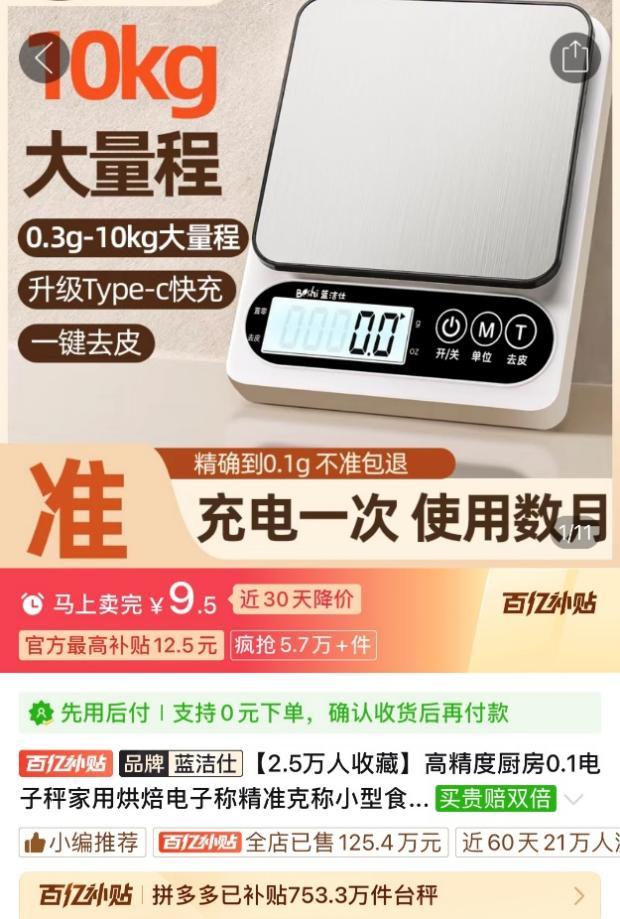
Core Insights - Yongkang, known as the "Hardware Capital of China," plays a crucial role in the global supply chain, producing 80% of massage guns, one-third of thermos cups, and nearly 70% of security doors [2][3] - The local manufacturing industry faces challenges such as intense market competition and product homogenization, necessitating continuous innovation to maintain competitiveness [3][12] - Pinduoduo's "trillion support" plan is pivotal for Yongkang's kitchenware businesses, helping them adapt to market demands and optimize product structures [4][20] Industry Overview - Yongkang's historical significance in hardware manufacturing dates back to ancient times, evolving through various dynasties and becoming a hub for metalworking [5][6] - The rise of e-commerce has transformed traditional manufacturing, with younger generations of factory owners seeking to establish their own brands rather than solely relying on OEM production [7][8] Market Dynamics - The emergence of brands like "Lanjieshi" and "Yizhifu" illustrates the shift from white-label products to branded offerings, driven by consumer demand for quality and innovation [13][15] - Pinduoduo's platform allows for efficient operations, enabling merchants to manage multiple stores with fewer resources compared to traditional e-commerce platforms [8][12] Product Innovation - Successful products, such as a new electronic scale, were developed in response to market needs, showcasing the importance of understanding consumer preferences [9][11] - Innovations in product design, such as semi-automated assembly processes, have significantly improved production efficiency and reduced costs [11][12] Pinduoduo's Strategic Initiatives - The "trillion support" plan aims to enhance the quality of e-commerce by providing substantial financial and operational support to merchants, focusing on long-term growth rather than short-term gains [20][21] - Pinduoduo's initiatives have led to a significant increase in merchant opportunities and a restructuring of industry dynamics, fostering a more competitive environment [21][22] Financial Implications - Pinduoduo's financial commitment to merchant support reflects a strategic shift towards high-quality development, with substantial investments aimed at enhancing the overall e-commerce ecosystem [20][22] - The platform's revenue model has adapted to prioritize merchant success, with significant reductions in service fees and guarantees to lower operational costs for businesses [20][21]