海上通道战略

Search documents
谁能卡住航道,就能改写世界?那些影响全球的海上通道到底有多重要?
Sou Hu Cai Jing· 2025-09-30 15:47
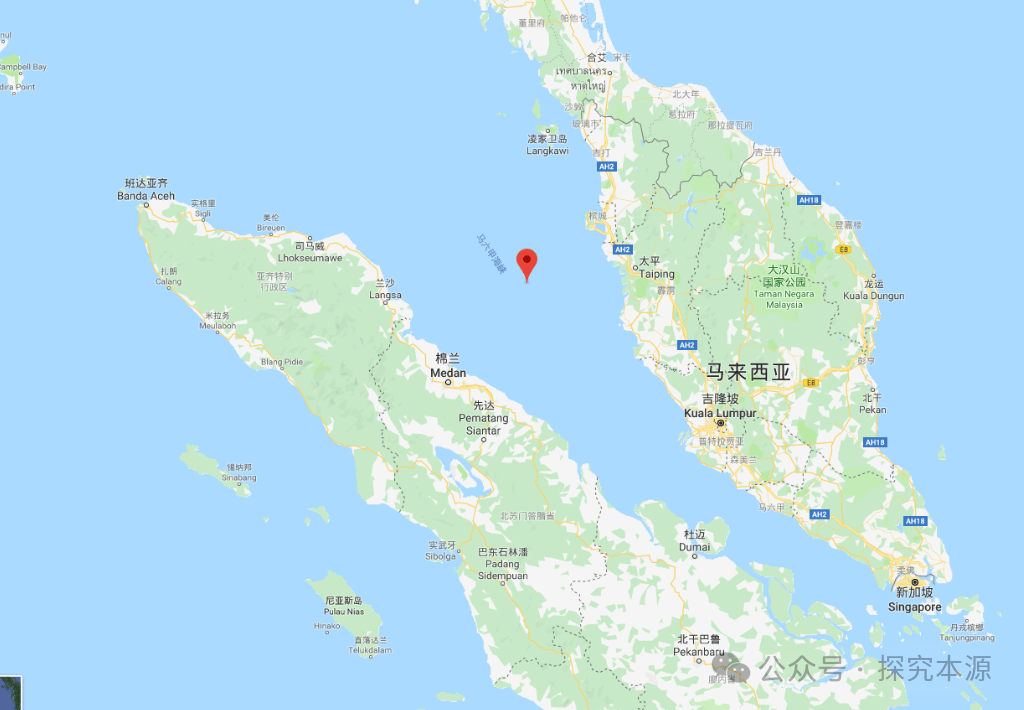
Core Insights - Control of maritime routes is crucial for global trade, as narrow straits and canals serve as vital arteries for shipping and energy transport [1][3][9] - The competition for these strategic chokepoints reflects broader geopolitical tensions, with nations vying for dominance over critical maritime passages [3][11] Maritime Chokepoints - Twelve key maritime passages account for a significant portion of global shipping, with the Florida Strait, Malacca Strait, and Suez Canal being particularly notable [3][5] - The Suez Canal incident in 2021 highlighted the vulnerability of these chokepoints, causing a loss of over $5 billion per hour during the blockage [3][5] - Historical closures, such as the Suez Canal's eight-year shutdown starting in 1967, resulted in a 30% increase in shipping costs as vessels were forced to take longer routes [5] Geopolitical Implications - The Strait of Hormuz is a critical passage for oil transport, with disruptions potentially causing oil prices to spike by over 10% [5][9] - The Panama Canal's expansion in 2016 increased its capacity by 30%, reshaping global shipping routes and enhancing U.S. influence in the region [5][9] - Japan's reliance on alternative routes due to the shallow Malacca Strait underscores the strategic importance of maritime access for energy security [6][8] Economic Impact - Over 90% of oil and gas resources are transported via these maritime routes, making them essential for global trade in commodities [8][9] - The United Nations Conference on Trade and Development warns that any disruption in key transport corridors can lead to exponential increases in shipping costs and commodity prices within 24 hours [9][11] Strategic Responses - Nations are increasingly aware of their maritime vulnerabilities, leading to strategic investments in alternative routes and infrastructure [6][11] - Russia's development of the Northern Sea Route demonstrates a shift in maritime strategy, with significant increases in cargo volumes reported in 2023 [8][11] - The ongoing geopolitical tensions and potential for sudden disruptions in maritime traffic necessitate a keen understanding of global trade dynamics and maritime geography [11]