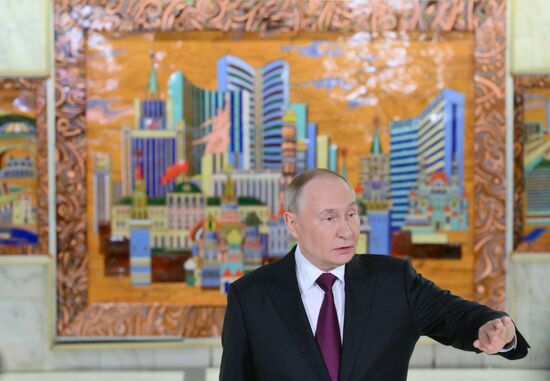
海盗行径

Search documents
委内瑞拉立法反击海盗
Xin Lang Cai Jing· 2025-12-24 17:47
Core Viewpoint - Venezuela has enacted an "anti-piracy law" to protect its sovereignty and freedom of navigation in response to the U.S. intercepting and detaining oil tankers in international waters [1][5]. Group 1: United Nations Security Council Meeting - The UN Security Council held an emergency meeting at Venezuela's request, where the U.S. representative labeled Venezuela as an "extraordinary threat," while representatives from Venezuela and Russia accused the U.S. of aggression and extortion [1][3]. - Venezuelan President Maduro claimed that the Security Council showed "overwhelming support" for Venezuela's rights to maintain freedom of navigation and trade [2]. Group 2: U.S. Actions and Responses - The U.S. has intensified pressure on Venezuela, conducting multiple interceptions of oil tankers since October 10, claiming to seize the oil onboard [2][6]. - U.S. officials have characterized the Venezuelan government as a threat to peace and stability in the Western Hemisphere, labeling it and its associates as terrorist organizations [3][4]. Group 3: Venezuela's Legislative Response - Venezuela's National Assembly unanimously passed a law to protect navigation and trade from piracy and other illegal actions, imposing severe penalties for those involved in such activities [5]. - The law aims to safeguard Venezuela's sovereignty and economic interests, particularly in the oil sector, which is crucial for the country's economy [6]. Group 4: International Reactions - China's representative at the UN urged the U.S. to cease its actions against Venezuela, emphasizing respect for sovereignty and international law [8][9]. - The Chinese stance reflects a broader concern among regional and international actors regarding U.S. military presence and actions in the Caribbean, which are perceived as threats to regional stability [9].
普京发出警告
中国能源报· 2025-12-03 07:22
Core Viewpoint - The article discusses President Putin's condemnation of recent attacks on oil tankers in the Black Sea, labeling them as "pirate acts" and indicating potential retaliatory measures against Ukraine and its allies [1][6]. Group 1: Putin's Statements - Putin criticized the attacks on oil tankers, stating they represent "pirate acts" [6]. - He mentioned that the Russian response to previous Ukrainian attempts to attack Russian ports involved targeting vessels transporting military supplies to Ukraine [6]. - Putin warned that Russia might expand its strikes on Ukrainian port facilities and vessels docked there if such attacks continue [6]. Group 2: Ukrainian Actions - The article references a report from the Ukrainian National News Agency, indicating that Ukraine's security service and navy executed joint operations to attack two oil tankers in the Black Sea [6]. - Russian media reported that the Russian Foreign Ministry condemned these actions as "terrorist attacks" [6].

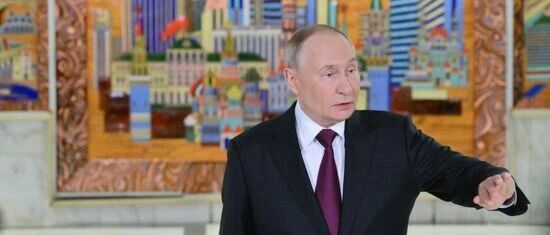
有油轮在黑海遭袭,普京发声:海盗行径
Huan Qiu Wang· 2025-12-03 00:43
Core Viewpoint - Russian President Vladimir Putin condemned the recent attacks on oil tankers in the Black Sea as "pirate acts" and indicated potential retaliatory measures against Ukraine and its allies [1][3]. Group 1: Putin's Statements - Putin criticized the actions of the Ukrainian armed forces, stating they attempted to attack Russian ports, prompting a response from Russia targeting vessels supplying military equipment to Ukraine [1]. - He warned that Russia would expand its strike range against Ukrainian port facilities and vessels docked there if such attacks continue [3]. - Putin mentioned the possibility of considering retaliatory actions against ships from countries that assist Ukraine in these "pirate acts" [3]. Group 2: Context of the Attacks - The Ukrainian National News Agency reported that the Ukrainian Security Service and Navy executed an operation targeting two oil tankers in the Black Sea [3]. - The Russian Foreign Ministry condemned these actions as "terrorist attacks," reflecting the heightened tensions in the region [3].