消除疲劳

Search documents
如何才能真正有效地消除疲劳?
虎嗅APP· 2025-11-24 13:21
Group 1 - The article discusses the importance of understanding different types of fatigue and how to address them effectively [6][7][9] - It emphasizes that sleep deprivation is a common issue that can significantly impact cognitive functions and emotional stability [11][12][13] - The article provides practical tips for improving sleep quality, such as increasing exposure to natural light and avoiding screens before bedtime [14] Group 2 - Attention fatigue is highlighted as a result of prolonged focus, leading to decreased decision-making abilities and a tendency to seek short-term rewards [15][16][17] - The article suggests taking breaks in nature or engaging in sensory experiences to restore attention resources [18][19] Group 3 - The article identifies the impact of minor daily stresses that can accumulate and lead to mental exhaustion, even when work pressure seems low [20][21][22] - Writing down thoughts and feelings is recommended as a method to clear mental clutter and regain focus [23][24] Group 4 - The article discusses the negative effects of a sedentary lifestyle, explaining that lack of physical activity can lead to both physical and mental fatigue [25][26][27] - It encourages incorporating movement into daily routines to combat fatigue and improve overall well-being [28][29] Group 5 - The article addresses the psychological fatigue stemming from a lack of excitement or anticipation in life, which can diminish motivation and energy [30][31][32] - It suggests creating a reward system by planning enjoyable activities or goals to reinvigorate enthusiasm for life [34][35][36]


如何才能真正有效地消除疲劳?
3 6 Ke· 2025-11-21 01:55
Core Points - The article discusses various types of fatigue and how to effectively alleviate them, emphasizing the importance of understanding the specific type of fatigue one is experiencing [5]. Group 1: Sleep Deprivation - Sleep deprivation is identified as a common cause of fatigue, affecting cognitive functions and emotional stability [6]. - Three methods to assess sleep deprivation are provided: reliance on an alarm clock, the ability to nap during the day, and experiencing sudden lapses in attention [7]. - Recommendations for improving sleep include exposure to natural light, avoiding screens before bed, and creating a relaxing bedtime routine [8]. Group 2: Attention Fatigue - Attention fatigue occurs when prolonged focus leads to decreased decision-making abilities, making individuals more susceptible to distractions [9]. - To combat attention fatigue, it is suggested to take breaks from digital devices and engage in activities that allow the mind to relax, such as walking in nature [10][11]. Group 3: Fragmented Stress - Fragmented stress arises from the accumulation of minor tasks and pressures that drain mental resources, leading to feelings of exhaustion [12][13]. - Writing down thoughts and feelings can help clear mental clutter and restore cognitive resources [14][15][16]. Group 4: Lack of Activity - A sedentary lifestyle contributes to fatigue, as the body is not designed for prolonged sitting [17]. - Regular movement, even in small increments, can help maintain energy levels and prevent fatigue [18][19]. Group 5: Lack of Anticipation - A lack of excitement or anticipation in life can lead to psychological fatigue, diminishing motivation and energy [20]. - Setting future rewards and planning enjoyable activities can reinvigorate enthusiasm and energy levels [21][22][24].
经常拉伸的好处竟有这么多!降血压效果比走路还更胜一筹
Yang Shi Xin Wen· 2025-05-14 09:42
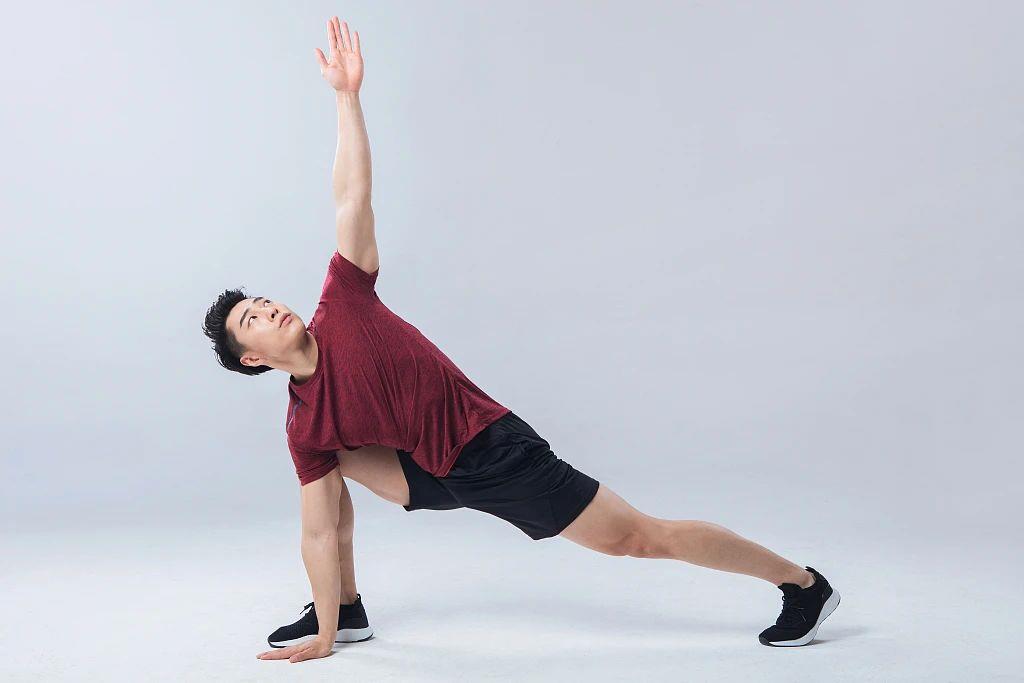
Core Findings - Stretching is more effective than brisk walking in lowering blood pressure, according to a study involving 40 participants with high blood pressure or borderline high blood pressure [1][3]. Group 1: Study Design - The study randomly assigned participants into two groups for an 8-week program, with both groups engaging in 30 minutes of exercise five days a week [1][3]. - The stretching group performed 21 full-body stretching exercises, holding each for 30 seconds with a 15-second rest in between [2]. - The brisk walking group walked outdoors or on a treadmill, aiming to reach a specific heart rate [3]. Group 2: Results - Blood pressure measurements showed a significant reduction in the stretching group compared to the brisk walking group, although the walking group had a greater reduction in waist circumference [3]. - Both groups did not show significant differences in weight [3]. Group 3: Benefits of Stretching - Stretching helps alleviate fatigue and promotes blood circulation, which can relieve muscle soreness [6]. - It enhances athletic performance by improving flexibility and reducing the risk of injury [7]. - Post-exercise stretching aids in muscle recovery and reduces tension, enhancing overall workout effectiveness [8]. Group 4: Recommendations for Stretching - Regular stretching is essential for maintaining joint mobility and health benefits [10]. - The optimal time for stretching is within 10-15 minutes post-exercise when muscles are warm [11]. - Caution is advised to avoid overstretching, bouncing movements, and breath-holding during stretching, especially for older adults [13][14][15].