清华简研究

Search documents
清华简里藏着一部马类“小百科”
Xin Lang Cai Jing· 2026-01-27 20:00
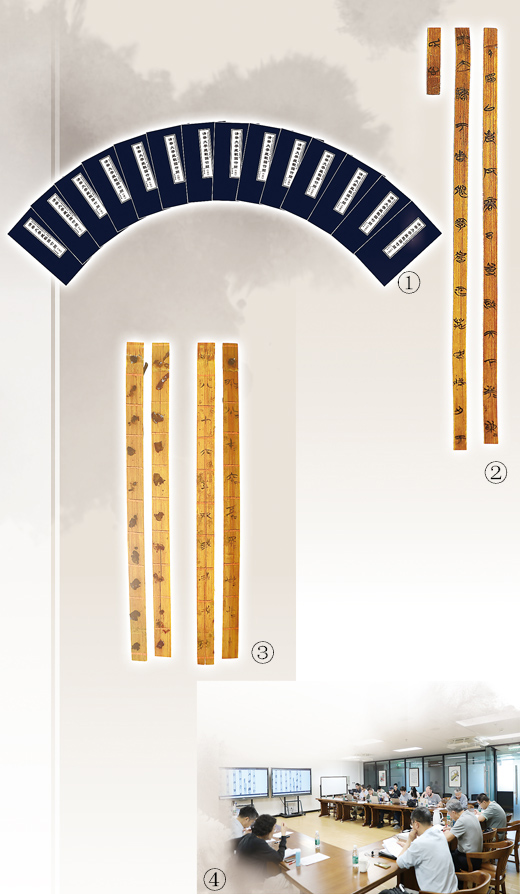
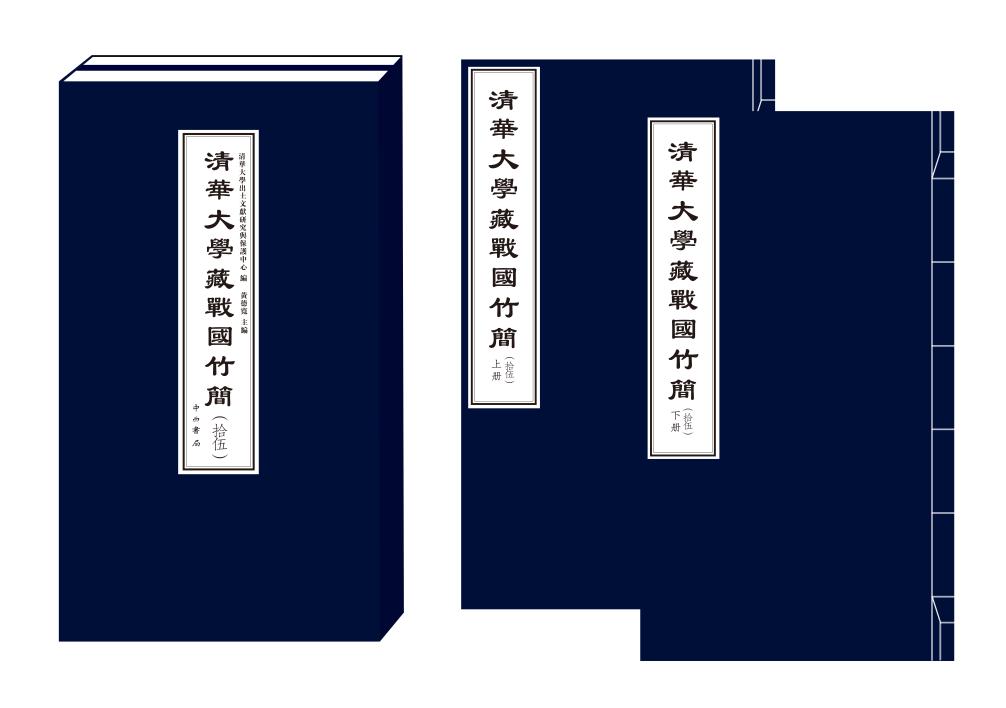
Group 1 - The latest findings from Tsinghua Bamboo Slips reveal previously unseen documents related to horses, which are significant for the study of pre-Qin technology and cultural history [1] - The collection includes five texts, namely "Xu Ma," "Fan Ma Zhi Ji," "Xun Ma," "Yu Shu," and "Yu Ma Zhi Dao," representing some of the earliest literature on horse evaluation, treatment, training, and management in China [1] - "Xu Ma" serves as a guide on horse evaluation, detailing the physical characteristics of 12 types of horses and establishing identification standards, which is valuable for research in ancient horse evaluation techniques and animal archaeology [1] - "Xun Ma" acts as a training manual for horse trainers, documenting methods for training and feeding horses, emphasizing scientific approaches to horse care [1] - "Yu Shu" and "Yu Ma Zhi Dao" provide comprehensive insights into horse control techniques based on the horse's physical movements, filling a gap in ancient Chinese equestrian literature [1] - "Fan Ma Zhi Ji" records various horse diseases and symptoms, representing the earliest known literature on horse treatment, which is crucial for the study of ancient veterinary history in China [1] Group 2 - Tsinghua Bamboo Slips were acquired by Tsinghua University in 2008, totaling nearly 2,500 pieces, making it the largest known collection of Warring States bamboo slips [2] - The Tsinghua University team publishes annual reports on the research and preservation of these slips, and is working on a series of annotated translations to promote understanding and dissemination of this traditional culture [2] - The second volume of the "Annotated Tsinghua University Collection of Warring States Bamboo Slips" has been released, with plans for a total of 18 volumes to include all published slips, providing comprehensive revisions and translations into accessible language [2]
这些先秦文献与“马”相关!“清华简”有最新发现
Xin Hua She· 2026-01-20 01:53
Core Insights - The recent discovery of five bamboo slips related to horses at Tsinghua University provides valuable insights into ancient Chinese equestrian practices, marking the earliest systematic documentation of horse-related knowledge in pre-Qin China [4]. Group 1: Discovery and Significance - Tsinghua University has organized a release event for the newly organized bamboo slips, which are crucial for studying pre-Qin technology and cultural history [1][4]. - The five newly discovered texts cover various aspects of horse management, including horse evaluation, diseases, training methods, and riding techniques, highlighting their importance in ancient transportation and military capabilities [4]. Group 2: Content of the Bamboo Slips - The texts include "Xu Ma," which details the evaluation techniques for twelve types of horses; "Fan Ma Zhi Ji," which records various horse diseases; "Xun Ma," which discusses training methods and their relationship with horse health; "Yu Shu," which explains riding techniques based on horse movements; and "Yu Ma Zhi Dao," which draws parallels between horse management and governance [4]. - These documents fill a significant gap in the literature regarding ancient Chinese equestrian skills and practices, providing essential references for studies in horse evaluation, veterinary history, and animal archaeology [4]. Group 3: Publication and Research Progress - The latest results of the Tsinghua bamboo slips' annotation and English translation project have been released, with plans for a total of 18 volumes, of which 8 have already been published [6]. - Since the acquisition of nearly 2,500 bamboo slips in 2008, Tsinghua University has been conducting ongoing research, releasing annual reports that cover a wide range of topics, including classics, governance, and astronomy [6].

这些先秦文献与“马”相关!“清华简”又有最新发现
Xin Hua She· 2026-01-19 22:44
Core Viewpoint - The recent discovery of five bamboo slips related to horses from the Warring States period at Tsinghua University provides valuable insights into ancient Chinese equestrian practices, which are crucial for understanding the technological and cultural history of pre-Qin China [1][4]. Group 1: Discovery and Significance - Tsinghua University has organized a release event for the newly organized bamboo slips, which are the earliest known systematic texts on horse-related topics in China [1][4]. - The discovered texts include discussions on horse evaluation, diseases, training methods, and riding techniques, highlighting their importance in enhancing ancient transportation and military capabilities [4]. Group 2: Content of the Bamboo Slips - The five texts cover various aspects: - "Xu Ma" focuses on horse evaluation techniques and standards based on physical characteristics - "Fan Ma Zhi Ji" documents various horse diseases and symptoms - "Xun Ma" summarizes training methods and their relationship with horse diet - "Yu Shu" provides comprehensive riding techniques based on horse movements - "Yu Ma Zhi Dao" draws parallels between horse riding and governance [4]. Group 3: Publication and Research Progress - The latest results of the Tsinghua bamboo slips' annotation and English translation project have been released, with plans for a total of 18 volumes, of which 8 have already been published [6]. - Since the acquisition of nearly 2,500 bamboo slips in 2008, Tsinghua University has been conducting ongoing research, releasing annual reports that cover a wide range of topics including classics, governance, and astronomy [6].
文化中国行 | 破译战国典籍中的文化密码
Ren Min Ri Bao· 2025-08-03 02:08
Core Insights - The Tsinghua Bamboo Slips, discovered in 2008, contain over 70 texts, many of which have been lost for over 2000 years, providing significant academic value [4][5] - The research team has published 14 volumes of reports, with the latest volume focusing on ancient Chinese horse management, which predates known historical records [7][8] - The Tsinghua Bamboo Slips reveal rich insights into early Chinese civilization, covering various subjects such as philosophy, history, astronomy, law, and medicine [5][6] Group 1: Academic Contributions - The Tsinghua Bamboo Slips include the earliest known Chinese mathematical document, the "Multiplication Table," recognized as the world's first decimal calculator [5][6] - Newly discovered texts like "Liangzhong" provide evidence supporting the historical existence of the Xia Dynasty, addressing scholarly debates about its legitimacy [6][7] - The slips also contain significant musical documents, enriching the understanding of ancient Chinese music history [6] Group 2: Research Challenges - The research team faces difficulties in categorizing and reconstructing fragmented bamboo slips, which often lack clear titles or sequences [9][10] - Deciphering the ancient script poses challenges, as some characters are no longer in use, requiring extensive cross-referencing with existing literature [9][10] - The collaborative nature of the research involves experts from various disciplines, leading to diverse interpretations and the need for consensus on findings [10] Group 3: Public Engagement and Education - The Tsinghua University team emphasizes the importance of making their findings accessible to the public, particularly younger audiences [12][14] - Initiatives include television programs, popular science books, and public courses to promote understanding of the Tsinghua Bamboo Slips [12][14] - The research has sparked interest among students, with many pursuing studies in ancient texts and related fields [13][14]