
渡边太太

Search documents
日本央行宣布加息!高市早苗推18.3万亿日元财政刺激 “渡边太太”提前撤离
Sou Hu Cai Jing· 2025-12-19 07:23
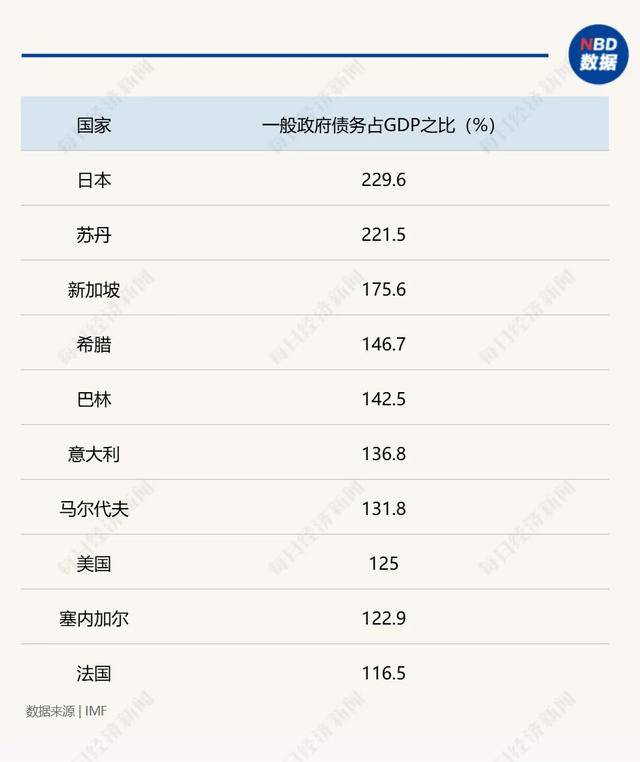
Group 1 - The Bank of Japan raised its policy interest rate by 0.25 percentage points to 0.75%, marking the highest level since September 1995, signaling the end of the ultra-loose monetary policy era [1][2] - This decision is aimed at breaking the long-standing cycle of low interest rates, low inflation, and low growth, driven by inflation exceeding the central bank's target for 44 consecutive months and the depreciation of the yen causing imported inflation [1][3][4] - The contradiction between the central bank's tightening monetary policy and the government's substantial fiscal stimulus plan of 18.3 trillion yen raises concerns about the effectiveness of the rate hike and increases the government's debt financing costs [1][5][6] Group 2 - Japan's core consumer price index (CPI) has been above the 2% target for 44 months, with a year-on-year increase of 3.0% in October and a slight decrease to 2.9% in November, indicating persistent inflationary pressures [3][4] - The depreciation of the yen, hovering around 155 against the dollar, has contributed to rising import costs, prompting the central bank to raise rates to alleviate exchange rate pressures and support the yen [4][6] - The government's fiscal stimulus plan, which relies heavily on new bond issuance, is expected to exacerbate the already high debt burden, with government debt projected to reach 229.6% of GDP by 2025, the highest among developed countries [6][7][8] Group 3 - The combination of tightening monetary policy and expanding fiscal policy is viewed as a "dangerous leap," potentially leading to increased liquidity pressure in the bond market and undermining the credibility of monetary policy [8][10] - Japan's economy is showing signs of fatigue, with the third quarter GDP contracting by 2.3% on an annualized basis, raising concerns about a potential technical recession if negative growth continues [10][11] - The low unemployment rate is causing labor shortages, leading to a wage-price spiral that could further complicate the inflation situation and necessitate additional rate hikes [11][12] Group 4 - The shift in Japan's monetary policy is expected to impact global capital markets, particularly concerning the risks associated with the unwinding of yen carry trades, which have been a significant source of global liquidity [13][15] - Speculative funds have begun to withdraw rapidly, with net positions in the yen shrinking by over 60% in a two-week period, indicating market sensitivity to the rate hike [17][18] - Future capital flows may transition from carry trades to a focus on domestic reallocation within Japan, leading to structural adjustments in global capital markets [18]

X @Yuyue
Yuyue· 2025-06-26 09:32
Market Analysis & Investment Strategy - The analysis suggests that domestic Chinese real estate may not be the optimal asset for decentralized individuals in the crypto space due to lower rental yields compared to potential returns from crypto assets [1] - The report highlights a global arbitrage opportunity, referencing the "渡边太太" concept where low-interest Japanese Yen is used to invest in higher-yield foreign assets, a strategy similar to some crypto investors [1] - The document points out that a 4% annual yield is easily achievable in the crypto space, while traditional RMB cash assets offer lower bank interest rates of less than 15% [1] Real Estate Market Dynamics - The analysis indicates that the Chinese real estate market is entering a phase of "housing is for living, not for speculation," while other global markets like Dubai are experiencing rapid growth [1] - The report mentions the ease for crypto investors to purchase properties in countries like Dubai using USDT, contrasting with the challenges faced by wealthy Chinese individuals [1]