
游牧文明

Search documents
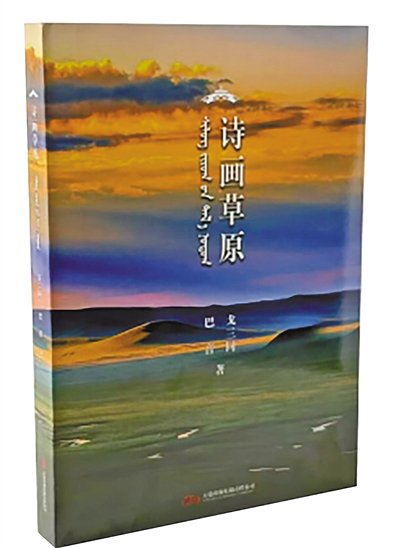
《草原诗画》里的诗影合鸣
Xin Lang Cai Jing· 2026-02-24 20:22
当巴音的镜头捕捉草原的光影流转,戈三同的诗句便为这些瞬间注入灵魂;当诗意驰骋于无垠草原,巴 音的影像则为这些缥渺的意象提供了栖居之地。这种诗画并置的独特形式,使《草原诗画》不仅是一部 诗集,更是一部可视化的草原心灵史。在当代汉语诗歌的星空中,《草原诗画》如一股清冽的北风,携 带着青草与泥土的气息扑面而来。这些诗作以草原为底色,以牧人与生灵为笔触,勾勒出一幅幅既具体 又超越的生存图景,构建了一种独特的"游牧诗学"。 在《牧羊人》一诗中,我们几乎读到了画面,诗句"只欠了欠屁股,他放养的无边空廓/往前又挪了 挪",为这幅静态影像注入了动态的韵律。这种诗与画的互文,创造出"一加一大于二"的美学效果,为 诗歌展开了视觉与想象的翅膀。诗歌叙述呈现出鲜明的"递进式"结构,从具体物象层层推进至形而上的 由表及里、由实入虚的叙述方式,与草原的广袤特性形成内在的呼应。《风吹羊群》中,诗人从"大风 吹散羊群/如吹散一捧掌心雪"的视觉意象起笔,继而深入"羊的静默/羊与羊靠拢的欲望"的内心世界,最 终抵达"仿佛缝合起一段破碎时光"的永恒。从具象到意境的升华路径,让羊群在风中聚散的过程,被赋 予了修复时间裂痕的象征意义,这是游牧民族对生 ...

黄土之下,纸页之上 一部丛书背后的千年回响
Xin Lang Cai Jing· 2026-01-03 23:23
这是世界上黄土层最厚的一块塬地。 已灭绝的黄河古象曾埋葬在这里,中华民族的人文始祖"黄帝"和中医始祖"岐伯"的故事发生在这里。 法国人桑志华在这里发现了中国出土的第一件旧石器。哈佛大学考古学家张光直评价,中国古人类化石 与旧石器时代文化研究就是从此开始的。 秦始皇修建的秦直道从这里穿过。王昭君出塞时经过,在一道山梁上梳妆打扮,"打扮梁"的地名至今沿 用。 这里是庆阳。 曾为黄土高原拍摄纪录片的导演金铁木在这里工作后,常常在想一个问题——贫瘠的黄土地,怎么会拥 有那么大的力量? 如今,他或许可以从新出版的一套书中找到答案——《庆阳历史文化大观丛书》。这套丛书是首部反映 庆阳历史文化整体概貌的著作,包括遗址文物卷、民俗非遗卷、名人贤达卷等6卷,共140万余字,历时 两年多完成,由中国青年出版总社出版。 地方史志有记录生活的传统 实际上,生活在这块土地上的人们,一直在记录着他们的生活。庆阳历来重视编修地方史志,明清时期 至少有7部府志和19部县志问世,留下极为宝贵的山川地理、堡寨要隘、赋役物产、历史沿革的资料, 形成较甘肃其他地区更为完备的编写体例和续修传统。 其中保存最为完整、史料价值最大的一部《庆阳府志》,藏于 ...

中国,人情超级大国
Hu Xiu· 2025-09-20 01:34
Group 1 - The article discusses the cultural significance of traditional Chinese residences, emphasizing the structured family relationships and the deep-rooted values of filial piety and kinship that have persisted for thousands of years [1][2][3] - It contrasts the settled agricultural lifestyle of the Chinese with the nomadic existence of certain Western cultures, highlighting how the former fosters a strong sense of home and community, while the latter leads to a more transient and less defined concept of home [2][9] - The text illustrates how familial ties and emotional connections often take precedence over legal frameworks in Chinese society, as seen in historical anecdotes from Confucius and Mencius that reflect the cultural preference for familial loyalty over strict adherence to law [3][4][5] Group 2 - The article points out that the Chinese cultural emphasis on relationships and emotional bonds can sometimes undermine the effectiveness of legal systems, leading to challenges in achieving justice and efficiency in governance [15][13][12] - It discusses the historical context of Chinese civilization, noting that despite periods of foreign rule and upheaval, the agricultural foundation of Chinese society has remained resilient and has often integrated foreign influences rather than being completely overtaken by them [8][9][32] - The text also reflects on the unique characteristics of Chinese modernization, suggesting that it cannot be directly compared to Western models due to its distinct cultural and historical background, which emphasizes a blend of public and private interests [29][30][31]