
游离糖

Search documents
藏在儿童辅食里的“马甲糖”
Bei Jing Shang Bao· 2025-10-15 15:54
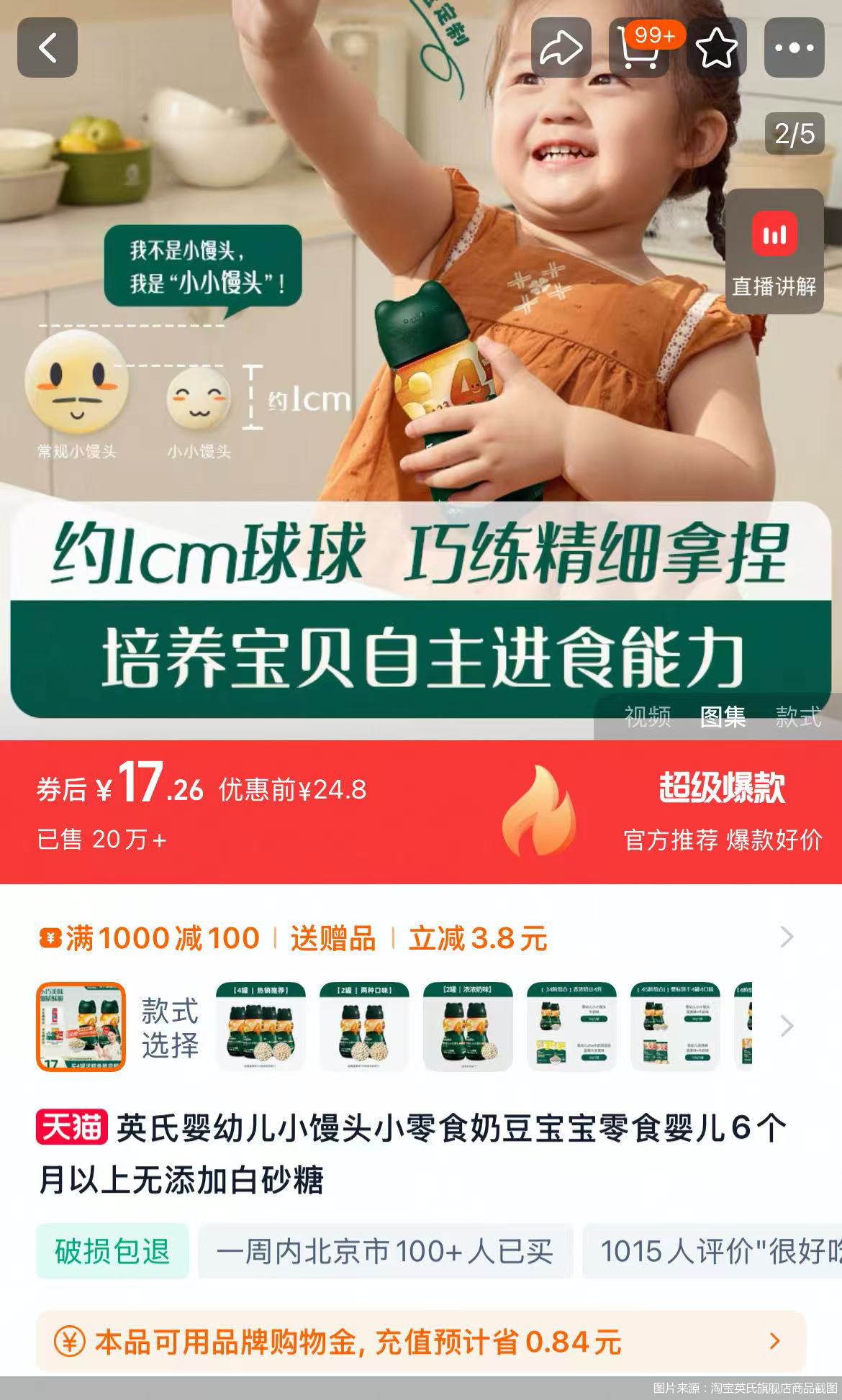
Core Viewpoint - The article highlights the hidden presence of sugars in infant food products marketed as "sugar-free," raising concerns about the health implications for infants, particularly those under one year old [1][8]. Group 1: Misleading Sugar Claims - Some brands, such as Ying's and Grandpa's Farm, advertise products as "sugar-free" while actually containing hidden sugars like rock sugar and concentrated fruit juices, which are classified as "free sugars" [1][3][6]. - The use of terms like "no added white sugar" can mislead consumers into thinking the products are completely sugar-free, potentially impacting infants' dental health and taste preferences [3][4]. Group 2: Age Appropriateness Confusion - There is a discrepancy in the age suitability of products, with some marketed for infants as young as six months, while the brands themselves indicate they are more appropriate for older infants (13-18 months) [4][8]. - This confusion can lead to parents being uncertain about what is safe for their infants, complicating the process of "precise feeding" [4][9]. Group 3: Hidden Sugars and Health Risks - Ingredients like concentrated fruit juices are often perceived as healthy but are actually classified as free sugars, which can lead to health risks such as dental caries and metabolic disorders in infants [6][7]. - Experts recommend that infants under one year should not consume any form of free sugars, emphasizing the need for strict control over sugar intake [7][8]. Group 4: Regulatory Framework and Consumer Awareness - Current regulations in China allow for the addition of sugars in infant food, with limits set on the amount rather than a complete ban, creating a loophole for manufacturers [8][9]. - There is a significant gap in consumer awareness regarding the types of sugars present in products, with many parents unaware of the implications of ingredients like concentrated juices and seaweed sugar [9][10].

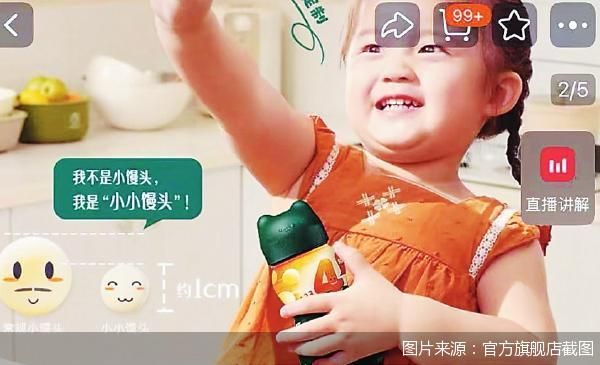
藏在儿童辅食里的糖:隐秘的“马甲糖”与无白砂糖标签下的替代糖
Bei Jing Shang Bao· 2025-10-15 08:45
Core Viewpoint - The investigation reveals that several mainstream infant food brands, while marketing products as "sugar-free," are actually adding hidden sugars like rock sugar and concentrated fruit juices, which pose health risks to infants under one year old [1][11]. Group 1: Misleading Marketing Practices - Products labeled as "sugar-free" may contain rock sugar, leading to consumer confusion about the safety of these items for infants [2][5]. - The use of terms like "sugar-free" can mislead parents into believing the products are safe, despite the presence of other forms of sugar that can affect infant health [5][11]. Group 2: Hidden Sugars and Their Risks - Concentrated fruit juices, often perceived as healthy, are classified as "free sugars" and can contribute to dental issues and metabolic disorders in infants [9][11]. - Common ingredients like seaweed sugar and fructose syrup are also categorized as free sugars, raising concerns about their impact on infant health [9][11]. Group 3: Regulatory Standards and Consumer Awareness - Current regulations in China allow for the addition of sugars in infant foods, with limits set on the total amount, but do not prohibit their use entirely [11][13]. - There is a significant gap in consumer understanding regarding the types of sugars present in infant foods, leading to challenges in making informed choices [11][13].
南方医科大学口腔医生建议:用吸管喝含糖或酸性饮料
Zhong Guo Xin Wen Wang· 2025-09-20 01:42
Core Viewpoint - The article emphasizes the connection between oral health and overall health, highlighting the importance of dietary management in preventing both oral diseases and chronic conditions such as obesity and diabetes [1][2]. Group 1: Dietary Recommendations - The theme for this year's "National Love Your Teeth Day" is "Oral Health is Whole Body Health," with a sub-theme focusing on "Reducing Sugar, Controlling Weight, Protecting Teeth, Promoting Health" [1]. - It is recommended to limit the intake of free sugars to no more than 50 grams per day, ideally below 25 grams, and to avoid free sugar consumption for children under 2 years old [2]. - The article suggests replacing high-sugar snacks with high-fiber and high-protein foods to enhance satiety and reduce the risk of obesity [2][3]. Group 2: Oral Health Practices - To prevent dental erosion and cavities, it is advised to use straws when consuming sugary or acidic beverages to minimize contact with teeth [3]. - Regular oral health check-ups are recommended, with at least one check-up per year for the general population and every six months for children, as oral diseases often progress slowly and may not show early symptoms [3].