澳洲联储利率政策

Search documents
Vatee万腾平台:澳元反弹,受美联储风波及澳洲数据影响
Sou Hu Cai Jing· 2026-01-12 04:00
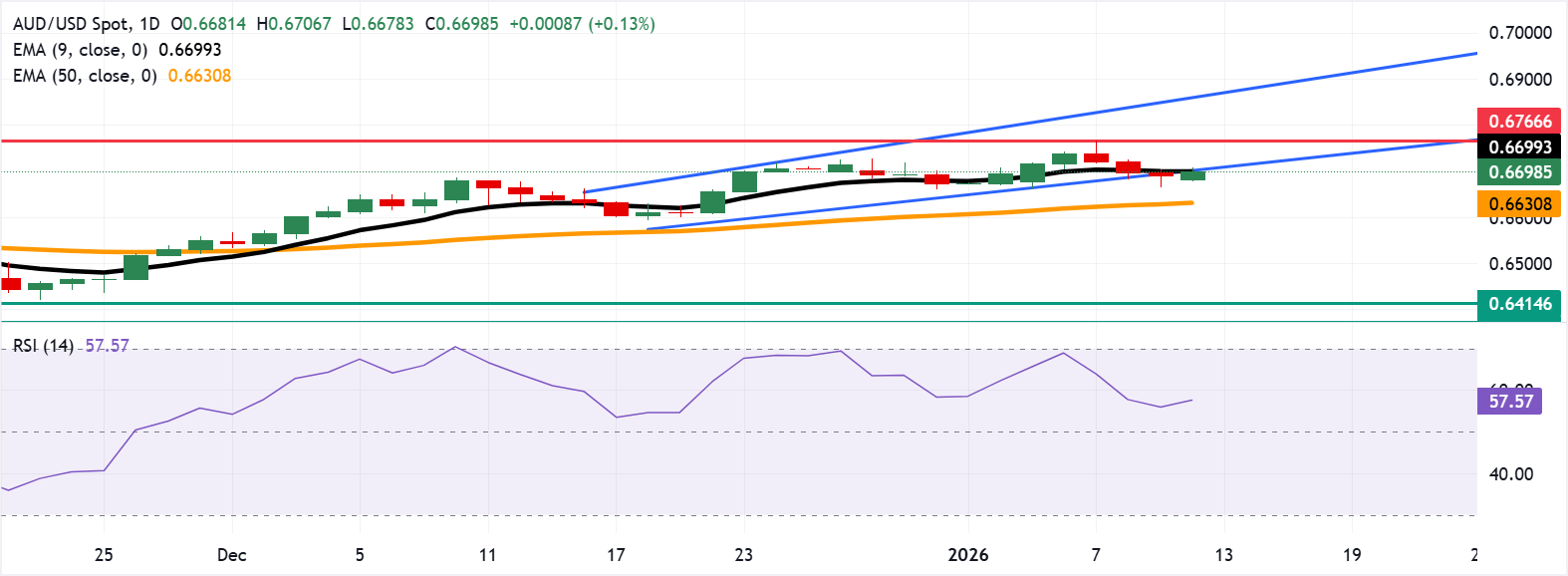
Group 1 - The Australian dollar rebounded against the US dollar after three consecutive days of decline, influenced by the overall weakening of the US dollar [1] - The US dollar is under pressure due to uncertainty regarding the Federal Reserve's outlook, particularly related to political and legal risks surrounding the Fed's internal affairs [1] - A criminal investigation has been launched against Fed Chairman Jerome Powell regarding potential misstatements to Congress about the scale of a renovation project at the Fed's Washington headquarters, which has weakened market confidence in the Fed's independence and policy stability [1] Group 2 - Domestic data in Australia shows a moderate performance, with a 0.5% month-on-month decline in job advertisements for December, indicating a continued decrease in labor demand [2] - Household spending increased by 1.0% month-on-month in November, lower than the revised 1.4% in October, reflecting cautious consumer behavior amid high interest rates and persistent inflation [3] - The upcoming quarterly CPI data is a focal point for assessing any substantial changes in inflation trends [4] Group 3 - The US dollar index has been weakening, currently hovering around 98.90, influenced by various data and policy expectations [4] - December's US employment data was below market expectations, reinforcing the likelihood that the Fed will maintain interest rates in January, with non-farm payrolls adding only 50,000 jobs [4] - The labor market shows internal disparities, with the unemployment rate slightly decreasing to 4.4% and average hourly earnings year-on-year growth rising to 3.8% [4] Group 4 - The US Treasury Secretary has stated that lower interest rates can help unlock economic growth potential, suggesting that monetary policy should not be overly delayed [5] - Mixed signals are present in other US economic indicators, with initial jobless claims slightly rising and continued claims significantly increasing, indicating a slowdown in the re-employment rate for some unemployed individuals [5] - Australia's trade surplus narrowed significantly in November, with exports declining and imports slightly increasing, providing limited fundamental support for the Australian dollar [5] Group 5 - Technically, the Australian dollar is fluctuating around 0.6700, attempting to return to a previously formed upward channel [7] - The relative strength index on the daily chart remains above the midline, indicating that short-term momentum has not completely weakened [7] - If the exchange rate continues to stay within the channel, previous high points may come back into focus, while support levels near short-term and medium-term moving averages will be monitored [7]