
烂尾楼处理

Search documents
很多人纳闷:为什么烂尾楼,不能让别的开发商接手重新开发?
Sou Hu Cai Jing· 2026-01-22 11:47
Core Viewpoint - The issue of unfinished buildings, or "烂尾楼," is not merely a real estate problem but a complex entanglement of money, property rights, legal issues, and fairness, leading to a situation where developers are unwilling to take on these projects due to the associated risks [1] Group 1: Financial Implications - Unfinished buildings represent a tangled web of debt, indicating that if a project becomes an unfinished building, it typically means it is insolvent, with total asset value falling short of outstanding debts [3][5] - Developers are unlikely to abandon projects unless they are financially unviable, as they would prefer to continue funding projects to recover costs, especially when significant land costs are involved [3][5] Group 2: Legal and Ownership Challenges - According to China's bankruptcy liquidation order, homebuyers do not have priority in compensation, leading to potential losses for all parties involved [5][9] - The legal complexities surrounding unfinished buildings include unclear property rights, ongoing lawsuits, and the potential for new developers to inherit previous debts, creating a significant deterrent for new investment [9][11] Group 3: Government Involvement - Local government entities, such as city investment companies, are often the ones stepping in to manage these unfinished projects, but they face challenges due to the lack of financial viability and reliance on government credit to fund operations [13] - The government’s involvement is primarily aimed at maintaining stability and protecting the interests of ordinary citizens who have invested in these properties [11][13] Group 4: Proposed Solutions - A potential solution involves holding original developers accountable, establishing a unified platform for project management, and ensuring that the rights of homebuyers are prioritized [15] - The need for systemic reform is emphasized, suggesting that the reliance on pre-sale funds and high leverage must be critically reassessed to prevent future failures in the real estate market [15][19] Group 5: Broader Economic Impact - The prevalence of unfinished buildings poses a systemic risk to the economy, affecting confidence in financial institutions and leading to a cycle of reduced lending and investment in real estate [17][19] - Addressing the issue of unfinished buildings is seen as a crucial step towards restoring confidence and reforming the regulatory framework within the real estate sector [17][19]

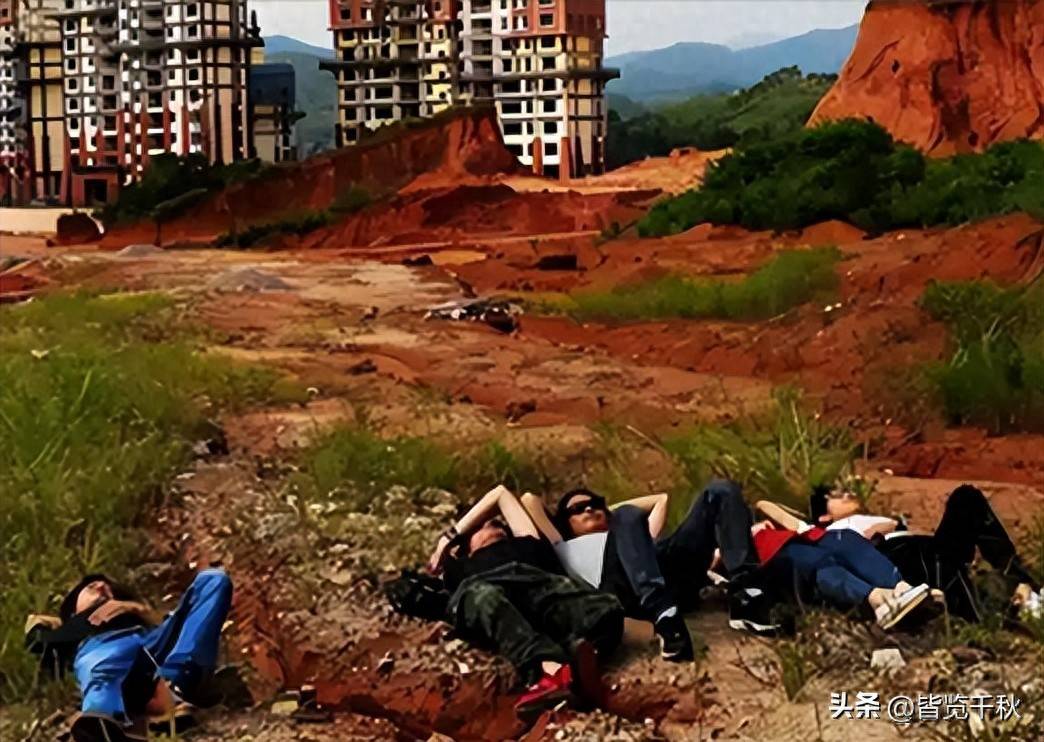
法院判决:商品房烂尾后开发商承担剩余贷款
Di Yi Cai Jing· 2025-05-11 02:57
Core Viewpoint - The recent court ruling in Lianyungang allows homebuyers to recover their down payments and interest if developers fail to deliver properties as promised, shifting the responsibility for remaining mortgage payments to the developers [1][2][3]. Group 1: Legal Context - The court supported the claim of the buyers, allowing them to return the property and requiring the developer to continue repaying the loan [2]. - According to the Supreme People's Court's interpretation, if a property sale contract is deemed invalid or canceled, the related mortgage contract can also be dissolved, supporting the buyers' request to terminate the mortgage agreement [2][3]. - The ruling emphasizes that clauses requiring buyers to repay loans without receiving the purchased property are unreasonable and violate fairness principles, rendering such clauses invalid [3]. Group 2: Challenges for Homebuyers - Historically, it has been difficult for homebuyers to recover their down payments and interest after purchasing unfinished properties [4]. - Legal procedures can be complex, and buyers may face challenges in negotiating with developers, often needing to resort to litigation to resolve contract disputes [4]. - Even if buyers win their cases, they may still encounter situations where developers lack the funds to refund payments, leaving them with no recourse [4][5]. Group 3: Current Trends and Recommendations - The prevailing approach for buyers facing delivery issues is to advocate for the completion of construction rather than opting for refunds, as many unfinished projects are now included in government-supported recovery lists [5]. - Legal protections for buyers have been reinforced, with recent guidelines prioritizing buyers' claims for refunds over other debts in cases where properties cannot be delivered [5].