
烂尾项目盘活

Search documents
一道封存7年的民生考题有了答案
Xin Lang Cai Jing· 2026-01-26 22:08
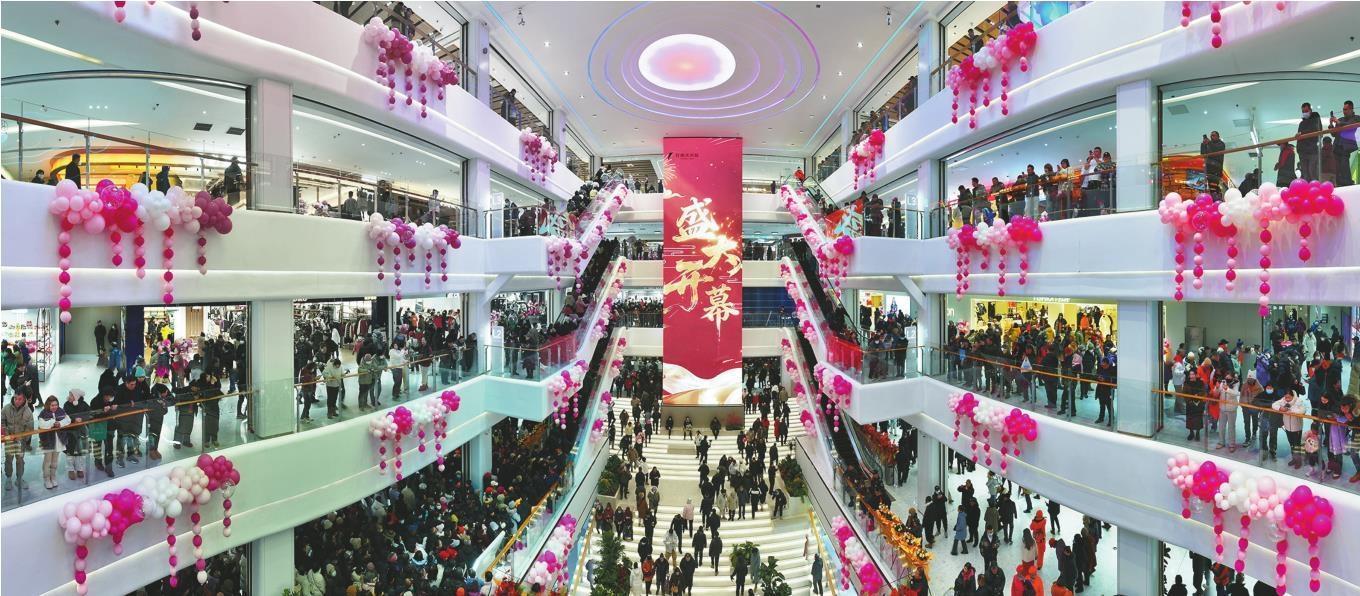
Core Viewpoint - The revitalization of the "big ship" commercial complex in Tieling, which had been dormant since 2018 due to financial issues, is a significant achievement for local governance and community engagement, culminating in its reopening as "Shuangyan Tianhe City" in December 2025 [3][5][6]. Group 1: Background and Challenges - The "big ship," a 67,000 square meter commercial complex, ceased operations in 2018 due to funding problems and has faced numerous challenges in its revival, including complex property rights and debt issues [3][4]. - Multiple attempts to reactivate the "big ship" failed due to its complicated historical issues, leading to a significant depreciation of the asset over time [3][4]. Group 2: Government Initiatives - In 2023, the Tieling municipal government initiated a restructuring process for the "big ship," involving investigations into financial flows and the clarification of debt relationships [4][5]. - The government held over 50 meetings to address various challenges related to property rights, debts, and market issues, demonstrating a commitment to overcoming obstacles through coordinated efforts among multiple departments [5][6]. Group 3: Revitalization and Economic Impact - The "big ship" was legally declared bankrupt and auctioned for 258 million yuan, with the Tieling State-owned Assets Group acquiring it and resolving ownership disputes [5][6]. - The reopening of "Shuangyan Tianhe City" in December 2025 saw a significant consumer turnout, with 96,000 visitors and sales reaching 8.9 million yuan on the first day, highlighting the potential for economic revitalization in the region [6][7]. Group 4: Broader Implications - The successful revival of the "big ship" serves as a model for addressing similar challenges in other projects, with the Tieling government planning to apply the strategies developed during this process to other stalled assets [6][7]. - The initiative not only aims to enhance local employment opportunities but also seeks to stimulate consumer activity and integrate cultural and commercial tourism in Tieling [6][7].

多城“烂尾”地标重获新生
Di Yi Cai Jing· 2025-12-02 16:36
Core Insights - Major landmark projects that were previously stalled are now showing signs of revival, with specific examples including the Chongqing Bay project and the Shenzhen-Hong Kong International Center [3][5] - The revival of these projects is attributed to a combination of policy support, market conditions, and financial backing from various institutions [6][5] Group 1: Project Revitalization - The Chongqing Bay project is set to restart with an investment of up to 2.476 billion yuan for debt restructuring and new financing, with plans for construction to begin soon [3][4] - The Shenzhen-Hong Kong International Center is transitioning from a primarily commercial focus to a mixed-use development that includes residential components, following a recent zoning adjustment [4][5] - The "World's First Water Bureau Building" in Guizhou has been transformed into a luxury hotel, indicating a successful pivot from a previously stalled project [5] Group 2: Challenges in Revitalization - Despite some projects moving forward, others like the Guangzhou Round Building are still struggling to find buyers, highlighting the complexities involved in reviving stalled developments [7] - Key challenges for project revitalization include funding gaps, legal disputes among creditors, and the need to rebuild market trust and brand value [9][10] - Financial institutions are increasingly playing a crucial role in project recovery by providing structured financing and facilitating debt restructuring [11]
多城“烂尾”地标重获新生,仍有项目在等待曙光
Di Yi Cai Jing· 2025-12-02 09:36
Core Insights - Major urban landmark projects that were previously stalled are now showing signs of revival, with specific examples including the Chongqing Bay project and the Shenzhen-Hong Kong International Center [1][3] - The revival of these projects is driven by a combination of policy support, market conditions, and financial backing from institutions [5][6] Group 1: Project Revitalization - The Chongqing Bay project is set to be revitalized with an investment of up to 2.476 billion yuan for debt restructuring and new financing, with construction expected to commence soon [1][2] - The Shenzhen-Hong Kong International Center is undergoing a zoning adjustment to transform the area into a mixed-use development, enhancing its potential for future growth [3][4] - The "World's First Water Bureau Building" in Guizhou has been successfully converted into a luxury hotel, demonstrating a successful case of project transformation [4] Group 2: Financial and Institutional Support - Financial institutions are playing a crucial role in the revitalization of these projects, with entities like China Great Wall Asset Management stepping in to provide necessary funding [2][9] - The establishment of special purpose vehicles (SPVs) is being utilized to isolate risks and facilitate the restructuring process for these projects [3][9] - Various financial instruments, including trust services and structured financing, are being employed to manage risks and ensure the safety of new investments [10] Group 3: Challenges to Overcome - Despite some projects moving forward, others, such as the Guangzhou Round Building, continue to face challenges, including failed auctions and unresolved debt issues [6][8] - Key challenges for project revitalization include addressing funding gaps, legal disputes among creditors, and rebuilding market trust [8][9] - The complexity of debt relationships and the need for coordinated efforts among stakeholders are critical for successful project recovery [8][9]
多个“烂尾”地标重获新生,仍有项目在等待曙光
Di Yi Cai Jing· 2025-12-02 09:01
Core Insights - The article discusses the revival of previously stalled large-scale urban projects, highlighting recent progress in cities like Chongqing and Shenzhen, with specific examples such as the Chongqing Bay project and the Shenzhen-Hong Kong International Center [2][3][4]. Group 1: Project Revitalization - Multiple large-scale projects that were once stagnant are now showing signs of potential revitalization, including the Chongqing Bay project and the Shenzhen-Hong Kong International Center [3][4]. - The Chongqing Bay project, which has a total construction area of approximately 1 million square meters, is set to be revitalized with an investment of up to 2.476 billion yuan for debt restructuring and new financing [3][4]. - The Shenzhen-Hong Kong International Center project, originally acquired by Shimao Group for about 23.9 billion yuan, is undergoing a transformation from a commercial focus to a mixed-use residential and commercial area [5]. Group 2: Challenges and Solutions - Industry experts indicate that while some projects are making progress, many still face significant challenges, including complex debt relationships and lack of interest in assets [2][6]. - The revival of these projects is driven by a combination of policy support, market conditions, and financial backing from institutions, with local governments playing a crucial role in resource coordination [6][9]. - Key challenges for project revitalization include funding gaps, legal disputes among creditors, and the need to rebuild market trust and brand value [9][10]. Group 3: Financial Institutions' Role - Financial institutions are increasingly important in the revitalization process, providing expertise and resources for restructuring and risk management [10][11]. - Asset management companies (AMCs) are taking control of projects to isolate risks and are collaborating with brand developers for subsequent operations [11]. - Trust companies are establishing service trusts to ensure risk isolation and safeguard new funding, while insurance companies are looking to acquire quality commercial real estate in prime locations during market downturns [11].