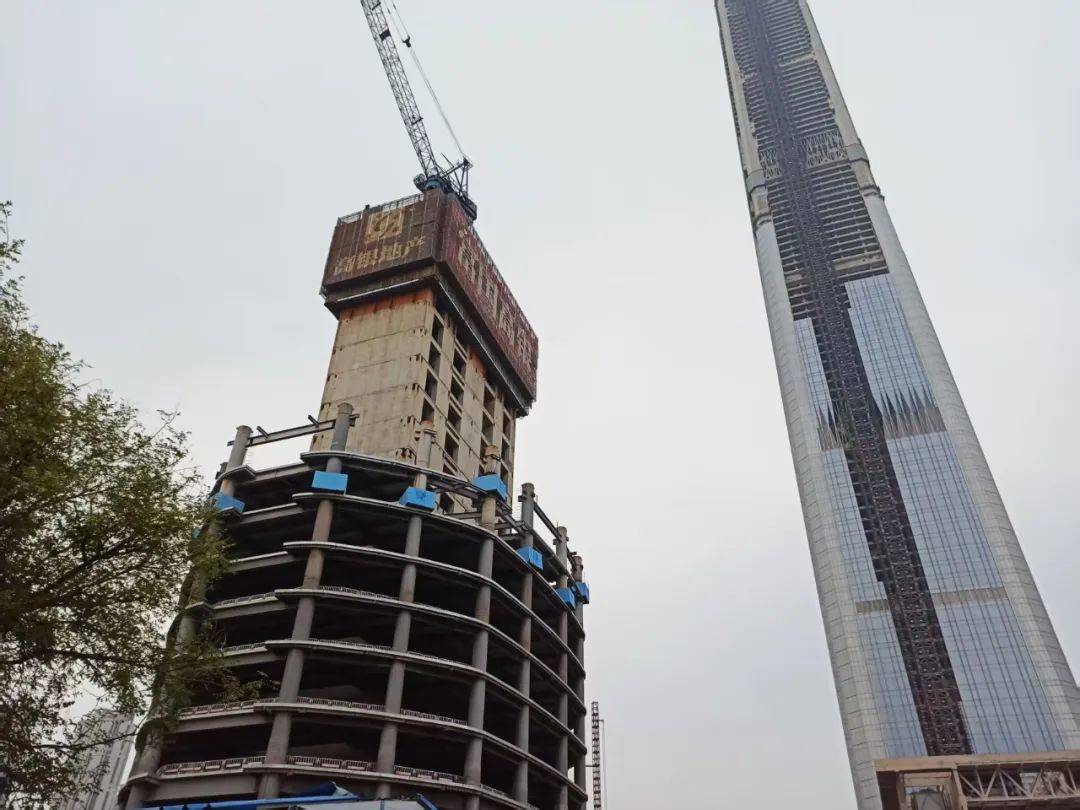
天津117大厦

Search documents
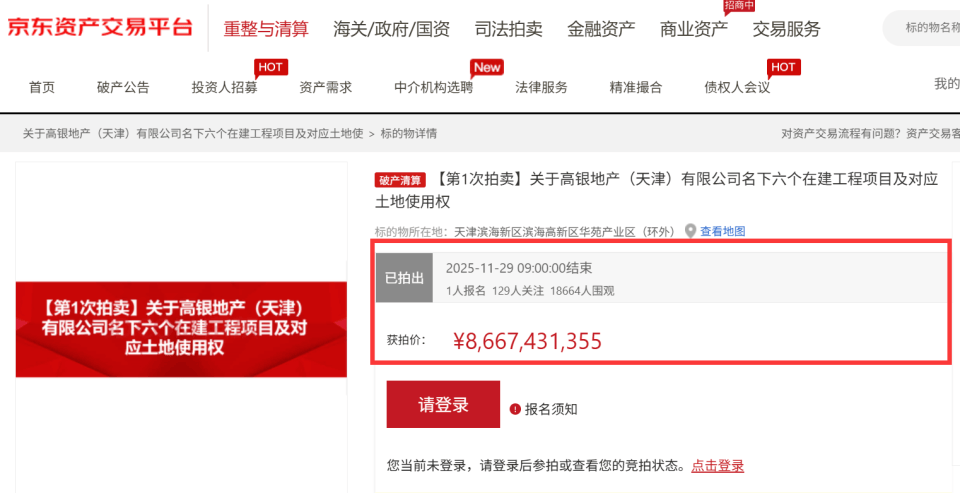
天津117大厦、深港国际中心等地标“复活”潮起,释放重磅信号
2 1 Shi Ji Jing Ji Bao Dao· 2025-12-05 14:18
Core Insights - The revitalization of landmark projects in various cities signals a significant opportunity for asset recovery in the real estate sector, indicating that the industry is entering the final stage of risk clearance [2][9] - Government policies and market-driven approaches are facilitating the disposal of distressed assets, providing a pathway for investment opportunities [7][8] Group 1: Landmark Project Revitalization - JD Asset Trading Platform announced the auction of six construction projects and corresponding land use rights from Gao Yin Real Estate for approximately 8.67 billion yuan, including the Tianjin 117 Tower, marking a significant step towards revitalizing a landmark that has been dormant for nearly a decade [1][2] - The Tianjin 117 Tower project faced financial difficulties after its completion in 2015, leading to a bankruptcy ruling in February 2023, but recent developments indicate a potential restart of the project [2][3] Group 2: National Trends in Asset Recovery - Across China, various landmark projects are emerging from stagnation, with notable examples including the Shanghai Chenghuangmiao Square, which successfully transitioned through bankruptcy proceedings to attract new investment [3][4] - In Hefei, the "Asia's Largest Book City" project has resumed construction, contributing to the revitalization of over ten key stalled projects by the end of 2025, covering a total area of over 12 million square meters [4][5] Group 3: Policy Support and Market Mechanisms - The government has emphasized the importance of revitalizing existing assets, with policies aimed at categorizing and expediting the disposal of distressed properties, thereby enhancing market efficiency [7][8] - Analysts highlight the collaborative approach between government, financial institutions, and private investors as crucial for overcoming challenges in asset recovery, with various innovative models emerging to facilitate this process [8][9] Group 4: Future Outlook - The ongoing revitalization of idle urban assets is expected to continue generating new economic momentum, with innovative solutions likely to emerge as more projects are brought back to life [10]
全国多个烂尾地标复活
2 1 Shi Ji Jing Ji Bao Dao· 2025-12-05 13:04
Core Insights - The article highlights the revitalization of landmark real estate projects in China, with a focus on the auction of six construction projects by Gao Yin Real Estate for approximately 8.67 billion yuan, including the Tianjin 117 Tower, signaling a trend towards asset recovery in the real estate sector [1][3] - Analysts suggest that the current environment presents dual opportunities for accelerated asset disposal and enhanced policy support, indicating that the real estate risk is entering its final clearing phase [1][3] Group 1: Project Revitalization - The Tianjin 117 Tower, initially planned as a high-end complex, faced construction halts due to financial difficulties but is now set for revitalization following a court-ordered bankruptcy process [3][4] - Other cities, such as Shanghai and Hangzhou, are also witnessing similar revitalization efforts, with projects like the Shanghai Chenghuangmiao Square and Hangzhou R&F Center undergoing significant transformations [4][6] - The revival of these projects is seen as a microcosm of a broader trend across China, where various landmark projects are emerging from stagnation [4][8] Group 2: Policy and Market Dynamics - Government policies are playing a crucial role in facilitating the revitalization of idle assets, with a focus on market-oriented and legal frameworks to guide the process [11][12] - The introduction of innovative financing models and collaboration between government and private sectors is enhancing the efficiency of asset recovery [12][13] - The participation of social capital, including domestic and foreign investors, is vital for addressing funding gaps and legal challenges in the revitalization of these projects [12][13] Group 3: Future Outlook - The ongoing revitalization efforts are expected to transform idle urban assets into new drivers of economic and social development, contributing to the high-quality growth of the real estate sector [14]


全国多个烂尾地标复活
21世纪经济报道· 2025-12-05 13:02
Core Viewpoint - The article highlights a significant trend in the revitalization of landmark real estate projects across China, indicating that the real estate risk is entering the final stage of clearance, supported by accelerated asset disposal and enhanced policy support [1][4]. Group 1: Asset Revitalization Examples - On November 29, JD Asset Trading Platform announced the sale of six construction projects and corresponding land use rights from High Silver Real Estate for approximately 8.67 billion yuan, including the Tianjin 117 Tower, marking a revival after nearly a decade of stagnation [1]. - The Tianjin 117 Tower, initially planned as a high-end complex, faced construction halts due to financial crises but is now set for revitalization following a court-ordered bankruptcy restructuring [3][4]. - In Shanghai, the Chenghuangmiao Square project, which had been abandoned for nearly ten years, successfully found a buyer at a starting price of 1.209 billion yuan after undergoing a bankruptcy process [4][5]. - Other cities like Hangzhou, Hefei, and Wuxi are also witnessing significant progress in revitalizing stalled projects, with notable examples including the revival of the "Asia's Largest Book City" in Hefei and the transformation of the Wuxi Huanyu Trade Center into a high-end healthcare community [7][8]. Group 2: Policy and Market Dynamics - The government's emphasis on revitalizing existing assets is evident in its 2023 work report, which prioritizes the activation of stock land and commercial properties, guiding the direction for asset disposal nationwide [12]. - The article discusses the importance of market-oriented and legal approaches in asset revitalization, with various innovative models emerging, such as the collaboration between government and private sectors to address historical issues and enhance project value [12][14]. - Financial institutions and real estate companies are increasingly involved in asset revitalization, leveraging their expertise to address funding gaps and legal disputes, thus creating new opportunities in the market [13][14].
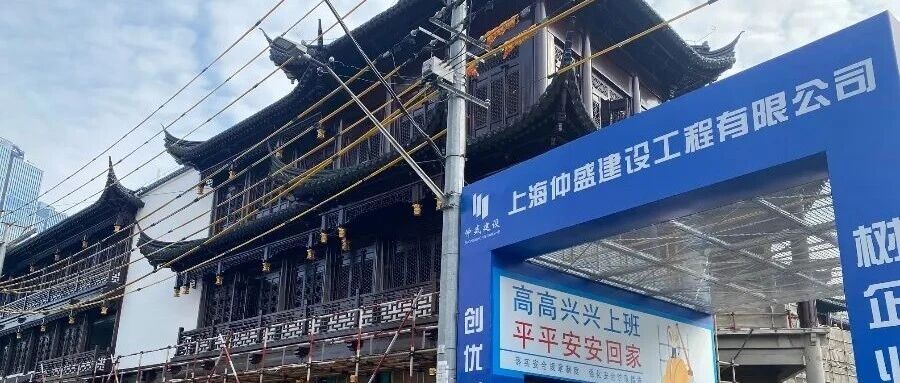
多城“烂尾”地标重获新生
Di Yi Cai Jing· 2025-12-02 16:36
Core Insights - Major landmark projects that were previously stalled are now showing signs of revival, with specific examples including the Chongqing Bay project and the Shenzhen-Hong Kong International Center [3][5] - The revival of these projects is attributed to a combination of policy support, market conditions, and financial backing from various institutions [6][5] Group 1: Project Revitalization - The Chongqing Bay project is set to restart with an investment of up to 2.476 billion yuan for debt restructuring and new financing, with plans for construction to begin soon [3][4] - The Shenzhen-Hong Kong International Center is transitioning from a primarily commercial focus to a mixed-use development that includes residential components, following a recent zoning adjustment [4][5] - The "World's First Water Bureau Building" in Guizhou has been transformed into a luxury hotel, indicating a successful pivot from a previously stalled project [5] Group 2: Challenges in Revitalization - Despite some projects moving forward, others like the Guangzhou Round Building are still struggling to find buyers, highlighting the complexities involved in reviving stalled developments [7] - Key challenges for project revitalization include funding gaps, legal disputes among creditors, and the need to rebuild market trust and brand value [9][10] - Financial institutions are increasingly playing a crucial role in project recovery by providing structured financing and facilitating debt restructuring [11]
多城“烂尾”地标重获新生
第一财经· 2025-12-02 10:12
Core Viewpoint - The article discusses the recent progress in revitalizing previously stalled landmark projects in various cities, highlighting the potential for these "zombie projects" to be brought back to life through coordinated efforts from government, financial institutions, and private investors [3][4]. Group 1: Revitalization of Landmark Projects - Multiple previously stagnant landmark projects are showing signs of potential revitalization, including the Chongqing Bay project and the Shenzhen-Hong Kong International Center [5][6]. - The Chongqing Bay project, acquired by Sunac from Sunshine 100, is set to receive up to 2.476 billion yuan for debt restructuring and new financing, with plans for construction to commence soon [6][7]. - The Shenzhen-Hong Kong International Center, originally acquired by Shimao Group for approximately 23.9 billion yuan, is undergoing a zoning change to allow for mixed residential and commercial use, paving the way for future development [8]. Group 2: Factors Driving Revitalization - The revival of these projects is driven by a combination of policy support, market conditions, and financial backing from institutions, with local governments playing a crucial role in resource coordination [9]. - The 2025 government work report emphasizes the importance of revitalizing existing land and commercial properties, providing a policy basis for the resumption of stalled projects [9]. Group 3: Challenges to Overcome - Despite some projects making progress, others, like the Guangzhou Round Building, continue to face challenges, including failed auctions and complex debt situations [11][12]. - Key challenges for large project revitalization include funding gaps, legal disputes among creditors, and the need to rebuild market trust and brand value [13][14]. - Financial institutions are increasingly important in this process, providing expertise and resources for restructuring and risk management [14].


多城“烂尾”地标重获新生,仍有项目在等待曙光
Di Yi Cai Jing· 2025-12-02 09:36
Core Insights - Major urban landmark projects that were previously stalled are now showing signs of revival, with specific examples including the Chongqing Bay project and the Shenzhen-Hong Kong International Center [1][3] - The revival of these projects is driven by a combination of policy support, market conditions, and financial backing from institutions [5][6] Group 1: Project Revitalization - The Chongqing Bay project is set to be revitalized with an investment of up to 2.476 billion yuan for debt restructuring and new financing, with construction expected to commence soon [1][2] - The Shenzhen-Hong Kong International Center is undergoing a zoning adjustment to transform the area into a mixed-use development, enhancing its potential for future growth [3][4] - The "World's First Water Bureau Building" in Guizhou has been successfully converted into a luxury hotel, demonstrating a successful case of project transformation [4] Group 2: Financial and Institutional Support - Financial institutions are playing a crucial role in the revitalization of these projects, with entities like China Great Wall Asset Management stepping in to provide necessary funding [2][9] - The establishment of special purpose vehicles (SPVs) is being utilized to isolate risks and facilitate the restructuring process for these projects [3][9] - Various financial instruments, including trust services and structured financing, are being employed to manage risks and ensure the safety of new investments [10] Group 3: Challenges to Overcome - Despite some projects moving forward, others, such as the Guangzhou Round Building, continue to face challenges, including failed auctions and unresolved debt issues [6][8] - Key challenges for project revitalization include addressing funding gaps, legal disputes among creditors, and rebuilding market trust [8][9] - The complexity of debt relationships and the need for coordinated efforts among stakeholders are critical for successful project recovery [8][9]
多个“烂尾”地标重获新生,仍有项目在等待曙光
Di Yi Cai Jing· 2025-12-02 09:01
Core Insights - The article discusses the revival of previously stalled large-scale urban projects, highlighting recent progress in cities like Chongqing and Shenzhen, with specific examples such as the Chongqing Bay project and the Shenzhen-Hong Kong International Center [2][3][4]. Group 1: Project Revitalization - Multiple large-scale projects that were once stagnant are now showing signs of potential revitalization, including the Chongqing Bay project and the Shenzhen-Hong Kong International Center [3][4]. - The Chongqing Bay project, which has a total construction area of approximately 1 million square meters, is set to be revitalized with an investment of up to 2.476 billion yuan for debt restructuring and new financing [3][4]. - The Shenzhen-Hong Kong International Center project, originally acquired by Shimao Group for about 23.9 billion yuan, is undergoing a transformation from a commercial focus to a mixed-use residential and commercial area [5]. Group 2: Challenges and Solutions - Industry experts indicate that while some projects are making progress, many still face significant challenges, including complex debt relationships and lack of interest in assets [2][6]. - The revival of these projects is driven by a combination of policy support, market conditions, and financial backing from institutions, with local governments playing a crucial role in resource coordination [6][9]. - Key challenges for project revitalization include funding gaps, legal disputes among creditors, and the need to rebuild market trust and brand value [9][10]. Group 3: Financial Institutions' Role - Financial institutions are increasingly important in the revitalization process, providing expertise and resources for restructuring and risk management [10][11]. - Asset management companies (AMCs) are taking control of projects to isolate risks and are collaborating with brand developers for subsequent operations [11]. - Trust companies are establishing service trusts to ensure risk isolation and safeguard new funding, while insurance companies are looking to acquire quality commercial real estate in prime locations during market downturns [11].
86.67亿成交!天津117大厦终迎接盘侠,这座“中国北方第一高楼”要重生了
Sou Hu Cai Jing· 2025-11-30 00:55
Core Viewpoint - The successful auction of the long-stalled Tianjin 117 Tower marks a significant turning point for the Tianjin real estate market, with the project being sold for 8.67 billion yuan after nearly a decade of inactivity [1][11]. Group 1: Auction Details - The auction included six construction projects and corresponding land use rights, with a total transaction price of 8.67 billion yuan, which was the starting price [1][12]. - The auction was part of a bankruptcy liquidation process, indicating a strategic asset revitalization rather than a simple sale [11][12]. - The buyer will incur additional costs for safety construction not included in the auction price, highlighting the need for further investment [12]. Group 2: Project Background - The Tianjin 117 Tower, originally intended to be the tallest building in Northern China, has a total height of approximately 597 meters and was planned to achieve ten world records [3][11]. - Construction began in 2008, but the project was halted in 2015 due to financial difficulties faced by the developer, resulting in it being labeled as one of China's highest-profile unfinished buildings [11]. Group 3: Economic Impact - The resumption of the project is expected to stimulate the local economy, with an estimated remaining contract price of 56.9 million yuan and a construction team of 5,000 workers [14]. - The completed tower is projected to attract over 300 companies and create more than 20,000 long-term jobs, contributing over 500 million yuan in annual tax revenue [14]. - The revival of the project is anticipated to positively affect local real estate prices, with recent signs of recovery in the housing market surrounding the tower [14].
中国在建结构第一高楼“天津117大厦”将复工 预计2027年完工
news flash· 2025-04-21 06:16
Core Viewpoint - The construction of the "Tianjin 117 Tower," China's tallest under-construction building, is set to resume on April 30, 2023, with an expected completion date in 2027 [1] Group 1: Project Details - The remaining construction of the Tianjin High-tech Zone Software and Service Outsourcing Base Central Business District Phase I (117 office building and commercial podium) will resume on April 30, 2023 [1] - The construction unit is GaoYin Real Estate (Tianjin) Co., Ltd., with a construction period from April 30, 2025, to April 30, 2027 [1] - The contract price for the project is 568.74813 million yuan, and the total area is 418,020 square meters [1] Group 2: Building Specifications - The Tianjin 117 Tower, also known as GaoYin Financial 117 Tower, is expected to reach a structural height of 596.5 meters, making it the second tallest building in the world after the Burj Khalifa [1] - The total investment for the project is estimated at 18 billion yuan [1]
“中国最高烂尾楼”将于4月30日复工,背后故事太曲折
Mei Ri Jing Ji Xin Wen· 2025-04-20 03:02
Core Viewpoint - The Tianjin 117 Tower, known as China's tallest unfinished building, is set to resume construction with a new permit, aiming to restart work on April 30, 2025, and complete by April 30, 2027 [2][4]. Group 1: Project Details - The project is officially named Tianjin High-tech Zone Software and Service Outsourcing Base Comprehensive Supporting Area Central Business District Phase I, which includes the 117 office building and commercial podium [2]. - The total contract price for the remaining construction is approximately 568.75 million yuan, covering a total area of 418,020 square meters [2]. - The main construction unit is China State Construction Engineering Corporation, with design and supervision handled by reputable firms [2]. Group 2: Background and History - The 117 Tower project began in 2007, with an initial investment estimate of 90 to 100 billion yuan, aiming for completion in 2017 [7]. - The construction faced significant delays, with the main tower's structure completed in 2015, but subsequent work stalled due to financial issues [9][10]. - As of March 2023, the average price for second-hand properties in the surrounding area has dropped to 24,600 yuan per square meter, indicating a significant decline in property values [12]. Group 3: Legal and Financial Context - The project has been under scrutiny due to the bankruptcy proceedings of the developer, Gao Yin Real Estate (Tianjin) Co., Ltd., which were initiated in January 2025 [5][6]. - The local government has expressed commitment to facilitating the project's revival through legal and market-based solutions [6].