烟囱效应

Search documents
香港大火,为什么会烧这么大?
商业洞察· 2025-11-30 09:22
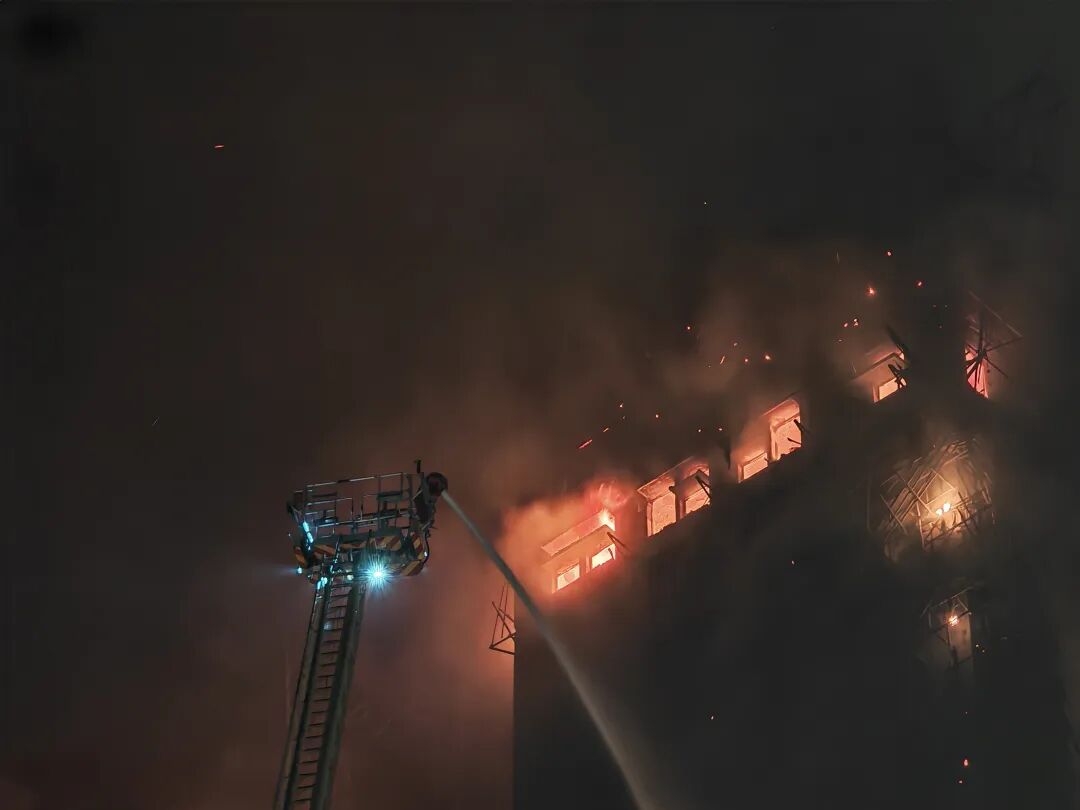
Core Viewpoint - The article discusses the tragic fire incident at Hong Kong's Hong Fuk Court, analyzing the underlying causes and systemic issues that contributed to the disaster, particularly focusing on the use of bamboo scaffolding and the inefficiencies in local governance [6][55]. Group 1: Fire Incident Analysis - The fire at Hong Fuk Court was exacerbated by the building's design, which featured a "chimney effect" that allowed flames and toxic smoke to spread rapidly [8][12]. - The initial fire ignited in the lower levels, quickly spreading due to the presence of flammable materials like foam boards and bamboo scaffolding, which acted as conduits for the fire [16][22]. - Bamboo scaffolding is widely used in Hong Kong construction, with nearly 80% of new and renovation projects employing this method, despite its high flammability [22][28]. Group 2: Governance and Regulatory Issues - The article highlights the inefficiencies in the management of older buildings, where the "Owners' Corporation" system has led to a lack of effective governance and maintenance, resulting in unresolved fire safety issues [56][60]. - The Hong Kong government has historically adopted a "non-intervention" policy regarding private property management, which has allowed safety concerns to be neglected [66][68]. - The fire incident underscores the need for a reevaluation of the existing governance structures and the potential for reform to enhance public safety [80][91]. Group 3: Cultural and Structural Challenges - The reliance on bamboo scaffolding is rooted in local tradition and economic factors, creating resistance to adopting safer, modern alternatives like metal scaffolding [25][32]. - The entrenched interests of the bamboo scaffolding industry, supported by various trade associations, have hindered regulatory changes despite known fire hazards [40][42]. - The article argues that the psychological legacy of colonial governance continues to influence Hong Kong's approach to safety and regulation, leading to a preference for outdated standards over more effective solutions [70][72].

香港高楼火灾后,高层住宅何去何从
吴晓波频道· 2025-11-28 00:29
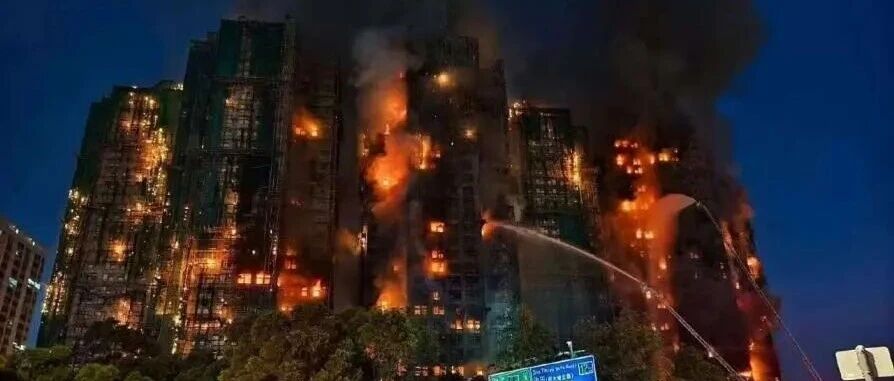
Core Viewpoint - The article discusses the tragic fire incident at Hong Kong's Mong Kok, highlighting the safety concerns associated with high-rise buildings and the systemic failures in fire safety management and building regulations that contributed to the disaster [4][23][25]. Group 1: Incident Overview - On November 26, a fire broke out at Mong Kok's Hong Fu Court, escalating to a level 5 fire alarm, resulting in at least 75 fatalities and over 200 missing individuals [4][5]. - The fire is noted as the deadliest in Hong Kong since 1948, raising significant concerns about high-rise residential safety [4][5]. Group 2: Building Safety Regulations - High-rise buildings are required to have smoke-proof stairwells, refuge floors, and automatic fire alarm systems, with firewalls having a fire resistance of at least 3 hours [5]. - The construction standards for high-rise buildings include specific evacuation width calculations based on occupancy [5]. Group 3: Fire Dynamics in High-Rise Buildings - High-rise buildings are prone to rapid fire spread due to the "chimney effect," where smoke and heat rise quickly, exacerbated by the building's design and external conditions [8][12]. - The proximity of buildings and high winds can facilitate the rapid spread of fire, as seen in the Mong Kok incident [9]. Group 4: Challenges in Firefighting - Firefighting efforts are hampered by the height of buildings, with existing equipment having limited operational heights, leaving significant areas inaccessible for rescue operations [14][15]. - The average effective rescue height of most firefighting equipment in China is around 50 meters, which is insufficient for many high-rise structures [15]. Group 5: Aging Infrastructure and Fire Risks - The Mong Kok complex, built in 1983, was undergoing extensive renovations, raising concerns about the presence of flammable materials and inadequate fire safety measures during construction [17][20]. - The presence of combustible materials used in construction, such as bamboo scaffolding and plastic sheeting, contributed to the fire's rapid escalation [20]. Group 6: Emergency Preparedness and Response - Residents reported a lack of effective fire alarm systems and emergency communication during the incident, highlighting deficiencies in emergency preparedness [21][22]. - Previous fire drills and safety training were insufficient, with many residents unaware of evacuation procedures [21][22]. Group 7: Regulatory and Systemic Issues - The incident revealed systemic failures in building safety regulations, with calls for stricter enforcement of fire safety standards and better oversight of construction materials [23][36]. - Legal experts emphasized the need for comprehensive risk assessments and improved regulatory frameworks to prevent similar tragedies in the future [36][39]. Group 8: Implications for Future Urban Development - The fire serves as a warning for urban development practices, particularly regarding the safety of high-rise buildings and the need for rigorous safety standards in construction and renovation [41]. - The incident has prompted discussions on the importance of integrating fire safety into urban planning and building design to enhance community safety [41].
【深度】失控之火:复盘香港大埔火灾24小时
Xin Lang Cai Jing· 2025-11-27 14:10
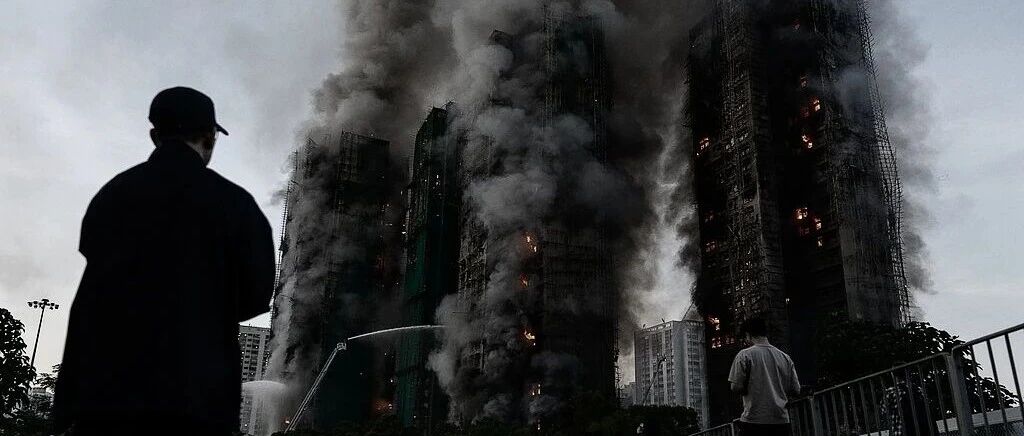
Core Points - The fire at Hong Kong's Hongfu Garden on November 26 has raised significant concerns, marking the first level 5 fire alarm since the 2008 Mong Kok fire [2][3] - The incident resulted in 55 fatalities and 72 injuries, with extensive firefighting efforts involving 304 fire and rescue vehicles [3][4] - Investigations are ongoing regarding the cause of the fire, with suspicions surrounding the building's construction materials and safety compliance [21][22] Fire Incident Overview - The fire started around 3 PM on November 26 and quickly escalated, leading to a level 5 fire alarm by the evening [19] - The fire spread rapidly due to the presence of scaffolding and construction materials that may not have met fire safety standards [21][23] - Eyewitness accounts describe the fire as intense and rapidly spreading from one building to another [2][10] Emergency Response - The Hong Kong government has opened nine emergency shelters, accommodating over 500 residents affected by the fire [4][8] - Emergency services received 341 calls for help and managed to handle 279 cases within the first 24 hours [3] - The ongoing rescue operations have faced challenges due to the fire's resurgence in certain areas [4][13] Construction and Safety Concerns - The buildings involved were undergoing extensive renovations, which may have contributed to the fire's rapid spread [15][18] - The use of bamboo scaffolding, while traditional, has raised safety concerns due to its flammability compared to metal scaffolding [25][29] - The Hong Kong government is considering transitioning to metal scaffolding to enhance safety standards in future construction projects [29] Investigative Actions - Authorities have arrested three individuals associated with the construction company for suspected manslaughter [22] - The investigation will focus on the compliance of construction materials with fire safety regulations and the overall management of the renovation project [21][24] - The Hong Kong Independent Commission Against Corruption has announced a special task force to investigate potential corruption related to the renovation works [24]
香港大埔火灾已造成44人遇难!3人以涉嫌误杀罪被拘捕,警方:不排除发泡胶是火势迅速蔓延原因;大埔区多所学校停课,临时庇护中心开放
Mei Ri Jing Ji Xin Wen· 2025-11-26 23:58
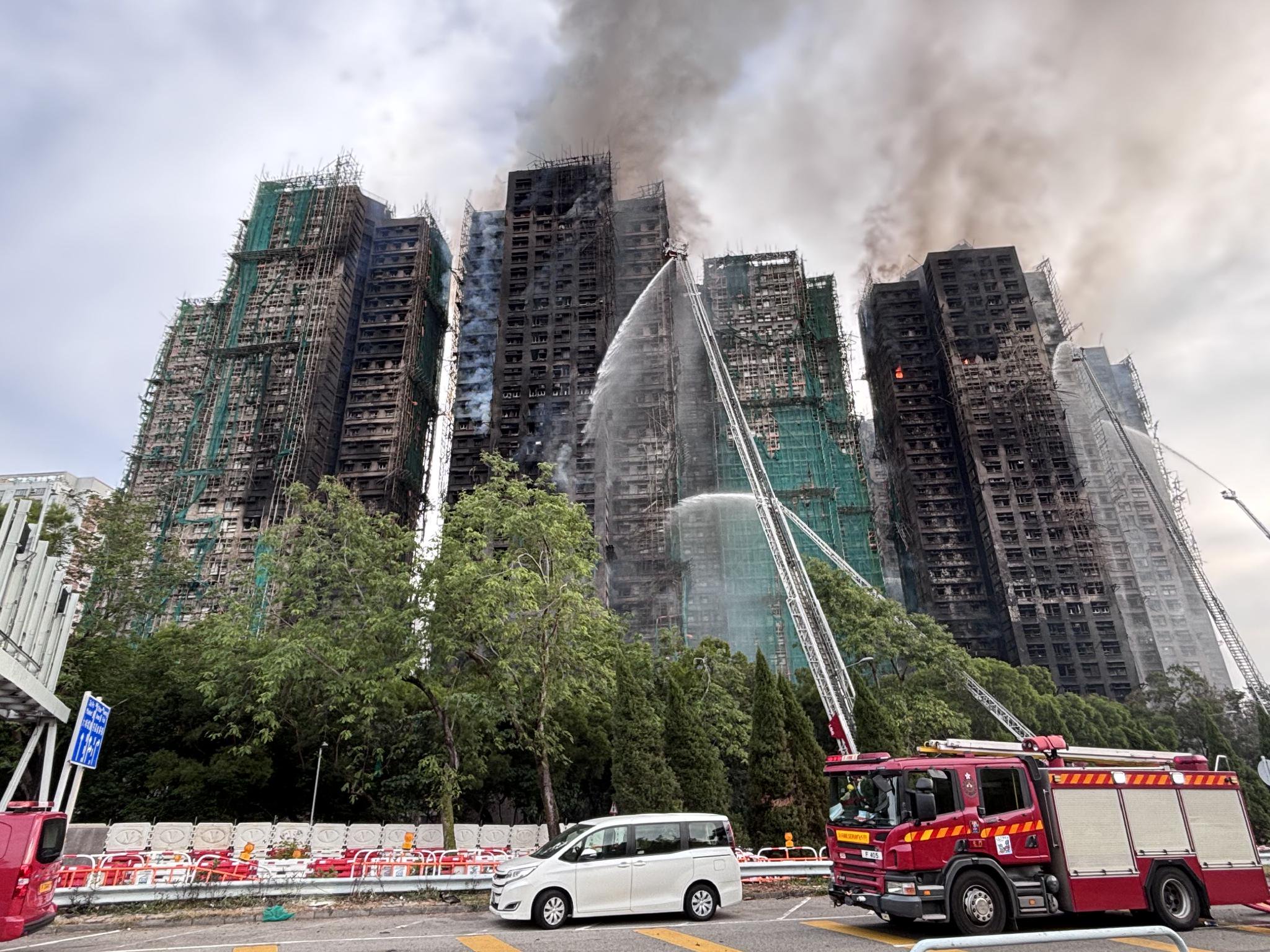
Core Points - A fire incident at Hong Kong's Mong Fuk Court has resulted in 44 fatalities and 45 injuries, with three individuals arrested for suspected manslaughter [1][6][9] - The fire, classified as a level five alarm, has prompted a significant response from emergency services, including over 767 firefighters and paramedics [9] - Initial investigations suggest potential criminal negligence related to the building's fire safety standards, particularly concerning flammable materials used in recent renovations [6][12] Group 1: Incident Overview - The fire occurred on November 26, with the Chief Executive of Hong Kong, John Lee, emphasizing the importance of extinguishing the fire and aiding the injured [4] - The affected building, Mong Fuk Court, is part of a public housing scheme and has a history of fire safety drills and inspections [12][10] - The building's age (42 years) and the presence of scaffolding and flammable materials contributed to the rapid spread of the fire [12][10] Group 2: Emergency Response - A total of 128 fire engines and 57 ambulances were deployed, with over 1,000 personnel involved in the rescue efforts [9] - Temporary shelters have been established for over 700 displaced residents, with social services providing emotional support [16] - Schools in the area have been closed as a precautionary measure [14] Group 3: Investigation and Legal Actions - The police have arrested three individuals from the engineering company responsible for the building's maintenance, citing serious negligence [6][12] - Investigations revealed that the building's exterior had materials that did not meet fire safety standards, potentially exacerbating the fire's spread [6][12] - The police are actively investigating the circumstances surrounding the fire, including the possibility of criminal charges [6][12]