香港精神

Search documents
香港故事丨轮椅上的冠军圆舞曲
Xin Hua She· 2026-01-19 06:07
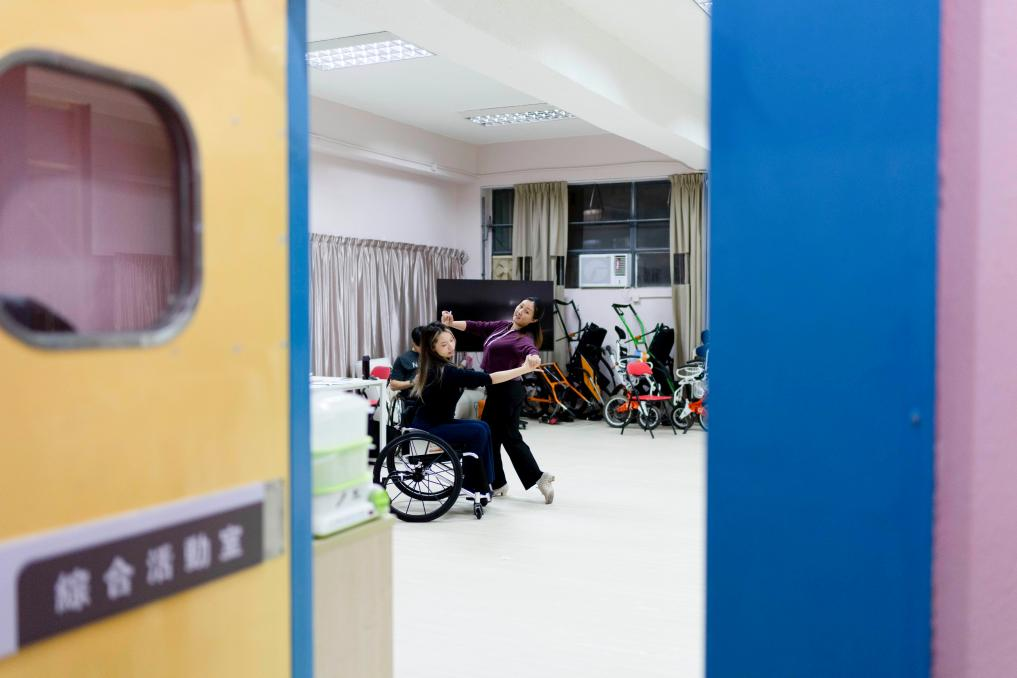
Core Viewpoint - The Hong Kong wheelchair dance team has achieved significant success at the National Games, winning three gold and three silver medals, showcasing the potential of wheelchair dance as both a sport and an art form [1][4][9]. Group 1: Performance and Achievements - The Hong Kong wheelchair dance team performed a collective piece that combines Chinese martial arts and Latin dance, achieving their best results at the National Games [1]. - The team, consisting of dancers over 40 years old, has redefined their identities through dance, with individual members like Yu Junyan winning multiple gold medals in various dance categories [6][9]. - The coach, Luo Tianqi, has spent ten years developing the choreography, emphasizing the philosophy of adaptability and fluidity akin to water, which reflects the spirit of Hong Kong [3][4]. Group 2: Social Integration and Trust - Wheelchair dance serves as a bridge for social integration, allowing able-bodied individuals to participate alongside disabled dancers, fostering trust and collaboration [4]. - Trust exercises during rehearsals symbolize the deep connections formed within the team, as able-bodied partners must rely on their wheelchair counterparts for support [4][9]. Group 3: Future Aspirations and Challenges - The team aims to continue their success, with members like Yu Junyan aspiring to achieve world-class rankings and represent Hong Kong on international stages [9]. - Challenges such as venue rental costs, maintenance of specialized wheelchairs, and funding for custom costumes are pressing concerns for the team, highlighting the need for stable financial support [9][10]. - Collaborations with organizations like the Hong Kong Dance Company are being explored to transition from competitive sports to artistic expression, broadening the scope of wheelchair dance [9][10].

香港大火,为什么会烧这么大?
商业洞察· 2025-11-30 09:22
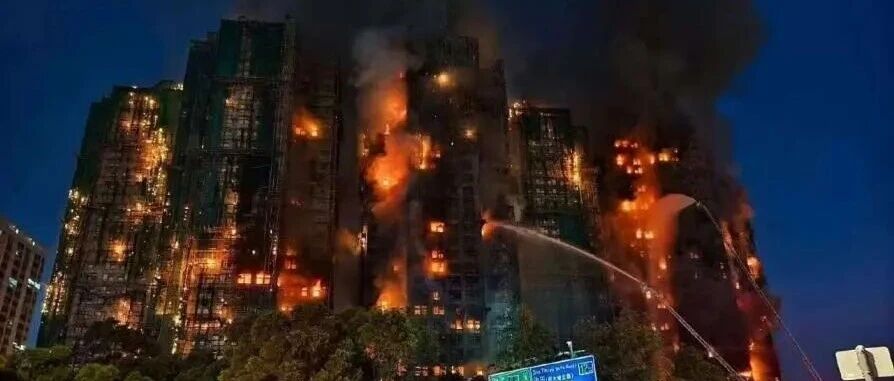
Core Viewpoint - The article discusses the tragic fire incident at Hong Kong's Hong Fuk Court, analyzing the underlying causes and systemic issues that contributed to the disaster, particularly focusing on the use of bamboo scaffolding and the inefficiencies in local governance [6][55]. Group 1: Fire Incident Analysis - The fire at Hong Fuk Court was exacerbated by the building's design, which featured a "chimney effect" that allowed flames and toxic smoke to spread rapidly [8][12]. - The initial fire ignited in the lower levels, quickly spreading due to the presence of flammable materials like foam boards and bamboo scaffolding, which acted as conduits for the fire [16][22]. - Bamboo scaffolding is widely used in Hong Kong construction, with nearly 80% of new and renovation projects employing this method, despite its high flammability [22][28]. Group 2: Governance and Regulatory Issues - The article highlights the inefficiencies in the management of older buildings, where the "Owners' Corporation" system has led to a lack of effective governance and maintenance, resulting in unresolved fire safety issues [56][60]. - The Hong Kong government has historically adopted a "non-intervention" policy regarding private property management, which has allowed safety concerns to be neglected [66][68]. - The fire incident underscores the need for a reevaluation of the existing governance structures and the potential for reform to enhance public safety [80][91]. Group 3: Cultural and Structural Challenges - The reliance on bamboo scaffolding is rooted in local tradition and economic factors, creating resistance to adopting safer, modern alternatives like metal scaffolding [25][32]. - The entrenched interests of the bamboo scaffolding industry, supported by various trade associations, have hindered regulatory changes despite known fire hazards [40][42]. - The article argues that the psychological legacy of colonial governance continues to influence Hong Kong's approach to safety and regulation, leading to a preference for outdated standards over more effective solutions [70][72].
香港舆论:各界同心救灾彰显“香港精神”
Zhong Guo Xin Wen Wang· 2025-11-28 07:00
Group 1 - The article highlights the collective response of Hong Kong society to a severe fire incident in Tai Po, which resulted in significant casualties, showcasing the "Hong Kong spirit" of mutual support and resilience [1][2] - Various sectors of Hong Kong society, including the government and ordinary citizens, quickly mobilized to assist in disaster relief efforts, demonstrating unity and compassion in the face of adversity [1][2] - The editorial from Hong Kong's Ta Kung Pao emphasizes that the city has faced numerous challenges in the past, and the community's spirit of perseverance and solidarity will help them overcome this disaster as well [1] Group 2 - The Hong Kong Commercial Daily expresses condolences for the victims and emphasizes the importance of community support in rebuilding after the disaster, urging all sectors to work together during this difficult time [2] - The article mentions the proactive actions of citizens, such as developing mutual aid applications and organizing online rescue groups, which reflect the warmth and solidarity of the Hong Kong people [1][2] - The article also notes the need for improved disaster prevention systems and governance capabilities in Hong Kong as part of the ongoing development of the region [2]
缺钱的港星,抢着来内地景区「捞金」
3 6 Ke· 2025-11-21 01:49
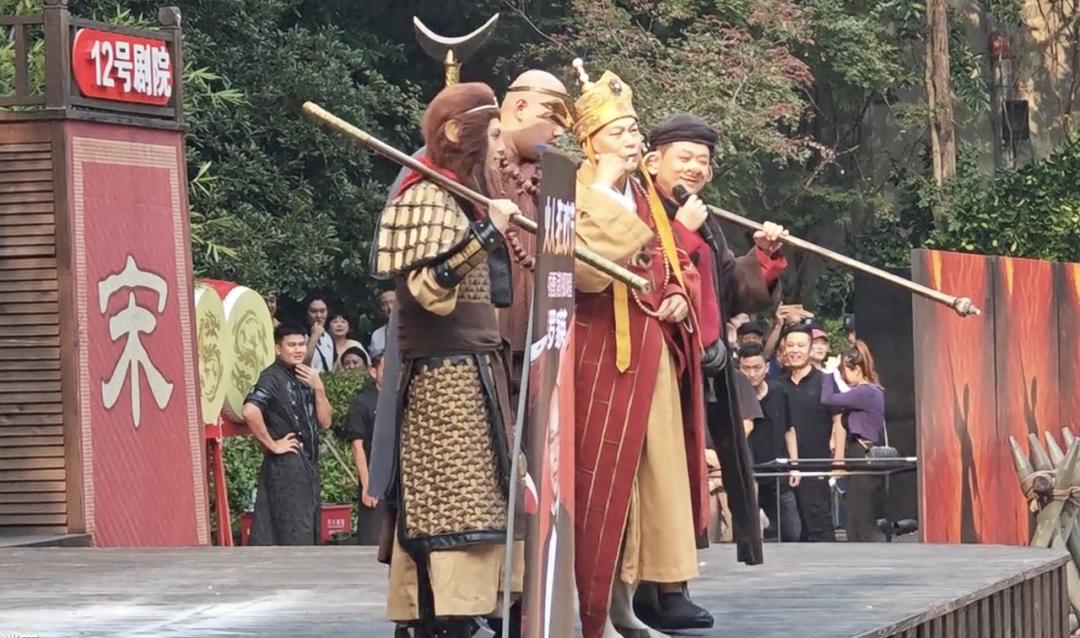
Core Viewpoint - The tourism industry is experiencing a trend where aging Hong Kong actors are taking on roles as interactive characters in various scenic spots, reflecting a shift in the entertainment landscape and the economic realities faced by these artists [1][20][48] Group 1: Industry Trends - Scenic spots are increasingly incorporating live performances and interactive experiences, with actors portraying iconic characters from popular culture [1][3] - The trend of older Hong Kong actors performing in scenic areas highlights a nostalgic connection for fans and a new form of employment for these artists [19][48] Group 2: Actor Experiences - Many actors, such as Ma Jingtao and Luo Jiaying, are revisiting their classic roles in scenic spots, showcasing their dedication despite the physical demands of the performances [5][9][19] - The phenomenon of actors working in scenic areas is seen as a return to their roots, where acting is viewed as a means of livelihood rather than just a glamorous profession [20][48] Group 3: Historical Context - The article discusses the historical context of Hong Kong's film industry, where many actors emerged from humble beginnings and faced economic challenges [20][29] - The efficiency and high-pressure environment of the past Hong Kong film industry shaped the work ethic of these actors, which continues to influence their current roles [44][46] Group 4: Cultural Reflection - The current trend of actors performing in scenic spots serves as a reflection of the changing dynamics in the entertainment industry, where traditional roles are evolving due to economic pressures [48] - The nostalgic performances resonate with audiences, evoking memories of the golden age of Hong Kong cinema while adapting to contemporary realities [19][48]