煤矸石综合利用

Search documents
煤矸石发电遭多重制约,建材利用卖不动!资源化路径为何越走越窄?
Zhong Guo Neng Yuan Wang· 2026-01-18 03:30
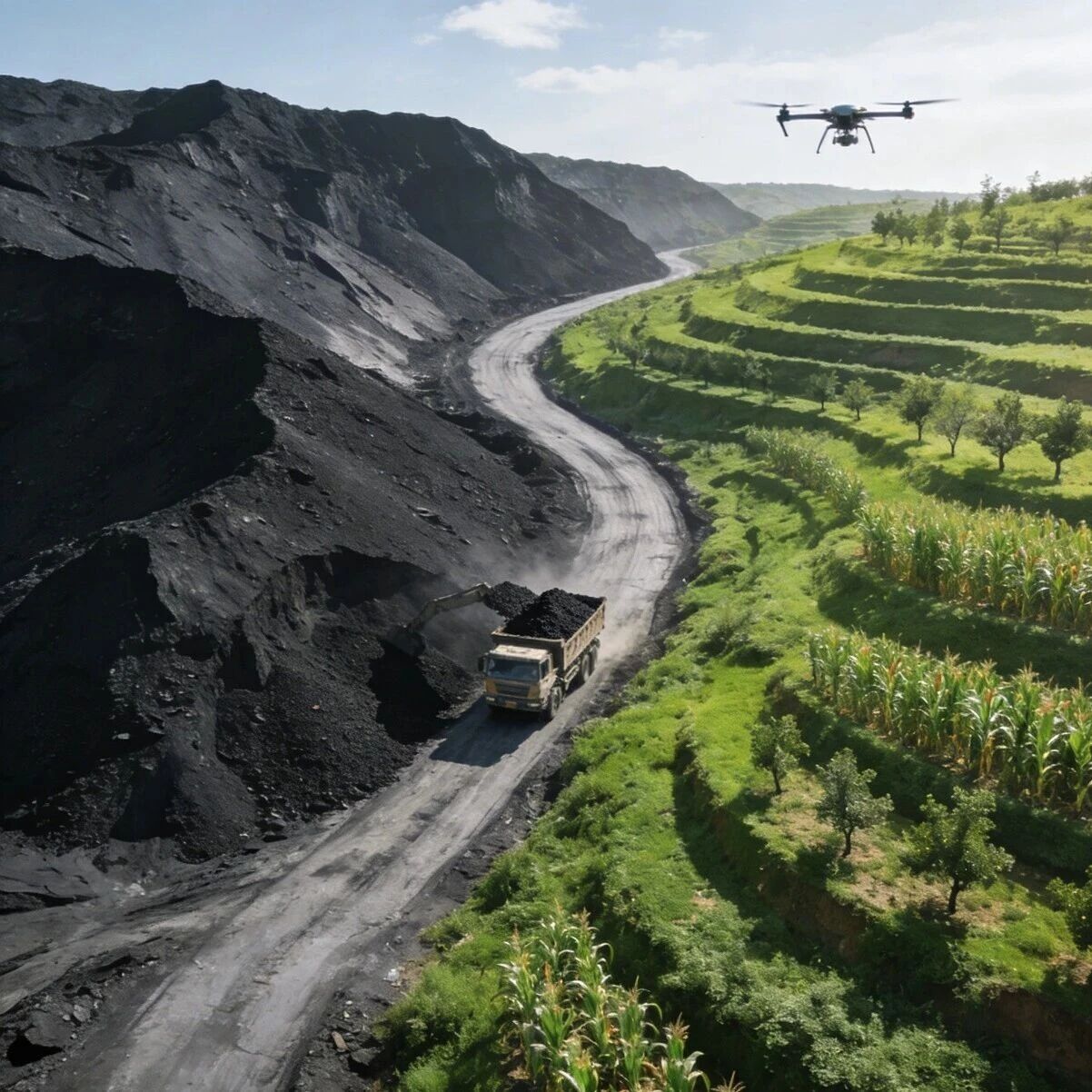
Core Viewpoint - The State Council has issued the "Solid Waste Comprehensive Management Action Plan," emphasizing the need to enhance the comprehensive utilization of bulk solid waste, particularly coal gangue, which poses environmental risks if improperly managed [1] Group 1: Current Situation of Coal Gangue - Coal gangue, a byproduct of coal mining, constitutes about 20% of the raw coal output, with an estimated annual production of 825 million tons in 2024 and a historical cumulative stock exceeding 7 billion tons [2] - The improper disposal of coal gangue leads to significant environmental concerns, including the potential leaching of heavy metals and acidic substances into water and soil [2] - The comprehensive utilization rate of coal gangue in China reached 73.8% in 2022, but this is still lower than the over 90% rates seen in countries like the U.S. and the U.K. [3] Group 2: Challenges in Utilization - The complexity of coal gangue composition and its low calorific value hinder its utilization, with only about 30% currently used for low calorific value power generation [3][4] - The high costs associated with the treatment and utilization of coal gangue, along with competition from traditional markets, limit its effectiveness in construction material production [4] - The current capacity for high-value utilization of coal gangue is low, with some production lines handling less than 100,000 tons per year, which is insufficient compared to the millions of tons generated by mines [4] Group 3: Potential Solutions and Global Practices - Countries like the U.S. and Australia have established effective pathways for the utilization of coal gangue, particularly in construction materials and resource extraction [5] - In the U.S., coal mines have successfully transformed coal gangue mountains into agricultural land through soil improvement and vegetation restoration [5] - China's underground filling and land reclamation methods show promise for large-scale coal gangue disposal, but they also increase mining costs and reduce operational efficiency [6]
煤矸石处理难题如何破局?
中国能源报· 2026-01-13 04:43
Core Viewpoint - The article emphasizes the need for China to enhance the comprehensive utilization of coal gangue, a significant solid waste, by exploring more utilization pathways and establishing a standard system [3][4]. Group 1: Current Situation and Challenges - Coal gangue, a byproduct of coal mining, accounts for approximately 20% of raw coal production, with an annual generation of about 825 million tons in 2024 and a historical cumulative stock exceeding 7 billion tons [4]. - The current comprehensive utilization rate of coal gangue in China reached 73.8% in 2022, which is still lower than the over 90% rates in countries like the USA and the UK [6]. - The complexity of coal gangue composition and its low calorific value lead to challenges in its utilization, particularly in power generation and construction materials [7]. Group 2: Utilization Pathways - The main utilization pathways for coal gangue include power generation, building materials production, underground filling, high-value utilization, and land reclamation [6]. - In power generation, coal gangue with a carbon content exceeding 15% can be used, but the current utilization for low calorific value coal power accounts for about 30% of total utilization [6]. - Underground filling shows significant advantages, capable of handling large volumes of coal gangue while also addressing geological disaster prevention and ecological restoration [10]. Group 3: Regulatory and Environmental Concerns - Illegal dumping of coal gangue poses serious environmental risks, including the leaching of heavy metals and acidic substances into water and soil, raising public concern [4][5]. - The article highlights the need for a robust regulatory framework and standard system to facilitate the proper management and utilization of coal gangue [10].