
煤矸石

Search documents
两部门协力推进固废综合治理
Zhong Guo Hua Gong Bao· 2026-01-16 02:16
Group 1 - The first comprehensive action plan for solid waste management in China has been released, aiming to establish a systematic approach to address solid waste issues [1] - The Ministry of Ecology and Environment (MEE) plans to reduce both the generation and accumulation of industrial solid waste, targeting a "double reduction" goal [1] - In 2022, large-scale utilization projects for coal gangue and fly ash in nine provinces of the Yellow River basin reached 128, with over 100 million tons utilized [1] - In the Yangtze River basin, 24 large-scale projects for phosphogypsum utilization were conducted, with over 2.9 million tons utilized [1] Group 2 - The MEE will promote the closure and ecological restoration of tailings and slag sites that meet environmental standards, aiming to remediate over 60% of historical solid waste storage sites by 2030 [2] - The Ministry of Industry and Information Technology (MIIT) reported that the comprehensive utilization rate of major industrial solid waste in China has reached 57% [2] Group 3 - The MIIT emphasizes reducing the intensity of industrial solid waste generation through green design and manufacturing practices, particularly in key industries such as steel and petrochemicals [3] - The MIIT aims to enhance the comprehensive utilization of industrial solid waste and recycled resources, focusing on typical categories like smelting slag and phosphogypsum [3] - The MIIT will continue to implement industry standards and encourage technological innovation and quality control in sectors like scrap steel, copper, aluminum, paper, plastic, and used tires [3]
锐财经|固废综合治理能力再提升
Ren Min Ri Bao Hai Wai Ban· 2026-01-14 06:06
Core Viewpoint - The article discusses the release of the "Solid Waste Comprehensive Management Action Plan" by the State Council, which aims to strengthen solid waste management in China as part of the country's green transformation efforts. The plan emphasizes a comprehensive management system based on reduction, resource utilization, and harmless disposal of solid waste [1][2]. Group 1: Overall Strategy and Goals - The "Action Plan" outlines the overall strategy, work objectives, key tasks, and supporting measures for solid waste management in the coming years, addressing prominent issues in solid waste governance with systematic and integrated policy measures [2]. - By 2030, the plan aims for significant improvements in solid waste management, including controlling historical stockpiles, curbing illegal dumping, achieving a comprehensive utilization of 4.5 billion tons of major solid waste, and recycling 510 million tons of main renewable resources annually [2]. Group 2: Sector-Specific Management - In agriculture, the plan highlights the challenges of managing solid waste, with current utilization rates for livestock waste at 80.1%, straw at over 88%, and agricultural film disposal at over 85%. The Ministry of Agriculture will enhance guidance on the scientific use of agricultural film and promote resource utilization of livestock waste [4]. - In urban areas, the plan addresses the large amounts of construction waste generated by urbanization, with the Ministry of Housing and Urban-Rural Development focusing on promoting green construction and improving waste management practices [4]. - For industrial waste, the plan emphasizes controlling the generation and historical stockpiles of industrial solid waste, with the Ministry of Ecology and Environment aiming to explore new channels for large-scale utilization and gradually reduce both new and accumulated waste [5]. Group 3: Promoting Circular Economy - The "Action Plan" aims to enhance resource utilization levels and leverage market forces to promote the development of a circular economy, emphasizing the principles of reduction and resource utilization [6]. - Specific requirements are set for the source reduction, process control, and resource utilization of solid waste, encouraging sustainable business models [6]. - The plan also focuses on the extraction and utilization of valuable components from industrial and agricultural solid waste, promoting the recycling of various materials and the development of remanufacturing industries [6]. Group 4: Future Planning - The National Development and Reform Commission will lead the formulation of the "14th Five-Year Plan" for circular economy development, setting clear goals and tasks for key areas of recycling and utilization of solid waste [7].
每年产生工业固废超40亿吨,25部门明确2030年治理目标
Di Yi Cai Jing· 2026-01-13 06:24
Core Viewpoint - The comprehensive utilization of industrial solid waste and renewable resources is crucial for transforming waste into valuable resources, addressing the global challenge of solid waste management and pollution control [1][3]. Group 1: Action Plan and Goals - The National Development and Reform Commission, in collaboration with 25 departments, has drafted the "Solid Waste Comprehensive Management Action Plan," which outlines systematic and integrated policy measures [1]. - By 2030, the plan aims for significant improvements in solid waste management, including controlling historical stockpiles, curbing illegal dumping, achieving an annual comprehensive utilization of 4.5 billion tons of major solid waste, and recycling 510 million tons of primary renewable resources [1][3]. Group 2: Current Situation and Challenges - China generates over 4 billion tons of industrial solid waste annually, with increasing environmental pollution risks [3]. - The mining, smelting, and power generation industries produce substantial amounts of solid waste, such as coal gangue and fly ash, with historical stockpiles posing significant challenges [3][4]. - The reduction of traditional utilization channels has made it more difficult to manage new stockpiles of industrial solid waste, necessitating efforts to address both historical and new waste accumulation [3]. Group 3: Strategies for Waste Management - The Ministry of Ecology and Environment is focusing on both controlling new waste generation and managing existing stockpiles, exploring new channels for large-scale utilization of industrial solid waste [3][4]. - The ministry has revised pollution control standards for general industrial solid waste storage and landfill, allowing certain waste types to be used in backfilling activities [3][4]. Group 4: Utilization and Technological Development - The comprehensive utilization of industrial solid waste is a key component of solid waste management, with the Ministry of Industry and Information Technology promoting the development of advanced utilization technologies and improving policy standards [4][5]. - The comprehensive utilization rate of major industrial solid waste in China has reached 57%, with ongoing efforts to enhance collaboration across the industry chain [4]. - Focus areas include the recycling of complex waste types such as red mud and phosphogypsum, as well as the promotion of remanufactured products [5].

煤矸石处理难题如何破局?
中国能源报· 2026-01-13 04:43
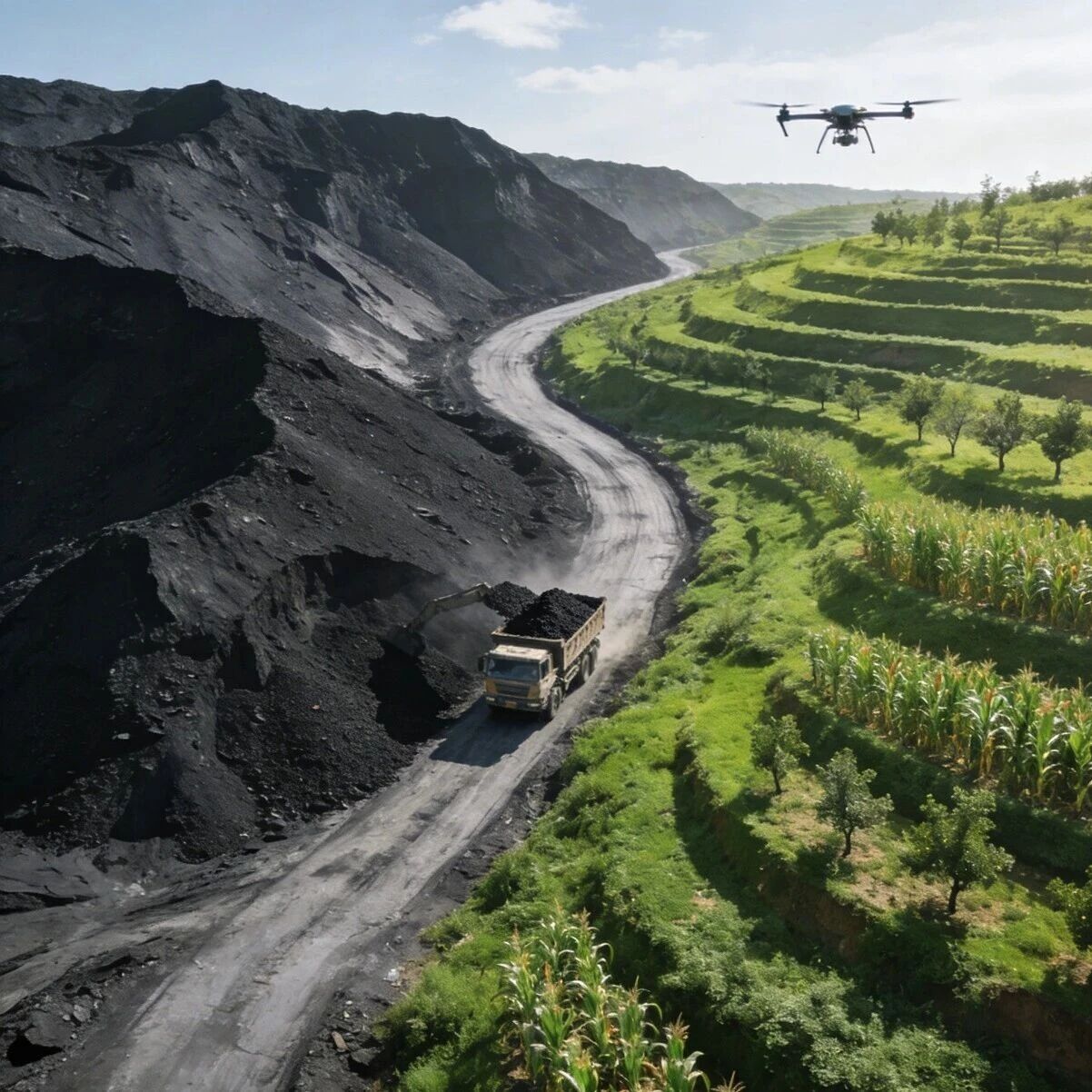
Core Viewpoint - The article emphasizes the need for China to enhance the comprehensive utilization of coal gangue, a significant solid waste, by exploring more utilization pathways and establishing a standard system [3][4]. Group 1: Current Situation and Challenges - Coal gangue, a byproduct of coal mining, accounts for approximately 20% of raw coal production, with an annual generation of about 825 million tons in 2024 and a historical cumulative stock exceeding 7 billion tons [4]. - The current comprehensive utilization rate of coal gangue in China reached 73.8% in 2022, which is still lower than the over 90% rates in countries like the USA and the UK [6]. - The complexity of coal gangue composition and its low calorific value lead to challenges in its utilization, particularly in power generation and construction materials [7]. Group 2: Utilization Pathways - The main utilization pathways for coal gangue include power generation, building materials production, underground filling, high-value utilization, and land reclamation [6]. - In power generation, coal gangue with a carbon content exceeding 15% can be used, but the current utilization for low calorific value coal power accounts for about 30% of total utilization [6]. - Underground filling shows significant advantages, capable of handling large volumes of coal gangue while also addressing geological disaster prevention and ecological restoration [10]. Group 3: Regulatory and Environmental Concerns - Illegal dumping of coal gangue poses serious environmental risks, including the leaching of heavy metals and acidic substances into water and soil, raising public concern [4][5]. - The article highlights the need for a robust regulatory framework and standard system to facilitate the proper management and utilization of coal gangue [10].
固体废物综合治理行动怎么干?专家提出处置“四原则”
Di Yi Cai Jing· 2025-12-24 03:34
Group 1 - The core viewpoint emphasizes the need for a comprehensive governance strategy and supporting policy system for solid waste management to curb the growth of solid waste in China [1] - The State Council has initiated a solid waste comprehensive governance action plan, focusing on enhancing infrastructure for harmless storage, transportation, and disposal, while promoting resource utilization and circular economy development [1][2] - Solid waste, heavy metal pollution, and new pollutants management are crucial for advancing the construction of a beautiful China, with current challenges including a lack of scientific assessment indicators and insufficient policy support [1][2] Group 2 - China's solid waste generation exceeds 11 billion tons annually, with over 33 billion tons of industrial solid waste stored historically, posing ecological risks [2] - Recent investigations revealed over 20 environmental violations related to solid waste in 109 cities, primarily concerning illegal dumping of construction waste [2] - The need for a strategic plan for solid waste governance is highlighted, as the current economic development stage presents new challenges and changes in solid waste disposal [4][5] Group 3 - The growth rate of hazardous waste generation has slowed since 2019, indicating a shift in the solid waste disposal industry that necessitates a reform in management practices [5] - The demand for recycled building materials has decreased, suggesting that the management of large solid waste types should adapt to market supply and demand changes [5] - Effective management of solid waste requires a coordinated approach, including national and local planning, and the establishment of a comprehensive regulatory framework [6]
鄂尔多斯一企业煤矸石铺路扬尘四起生态环境局回应鄂尔多斯煤矸石铺路
Xin Jing Bao· 2025-11-24 06:27
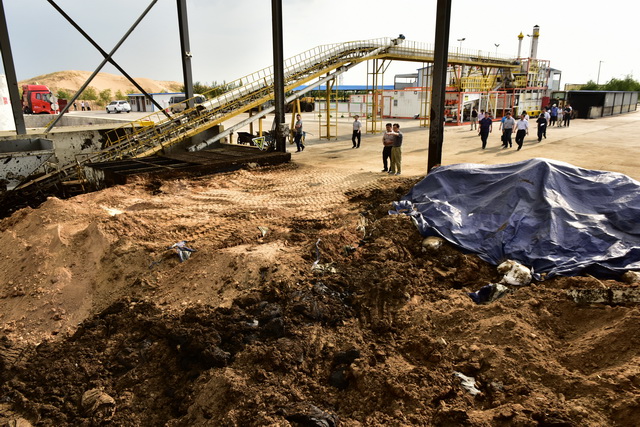
Core Viewpoint - The use of coal gangue for road paving in Ordos, Inner Mongolia, has raised environmental concerns due to significant dust emissions when vehicles pass by [1] Group 1: Environmental Impact - Local residents reported that vehicles driving over the coal gangue road generated large amounts of dust [1] - The Ordos Ecological Environment Bureau confirmed that coal gangue was indeed used for road paving without proper hardening measures, leading to dust pollution [1] Group 2: Regulatory Response - The local environmental authority has initiated an investigation into the matter [1] - No toxic heavy metals or harmful substances have been detected in the area so far [1]

鄂尔多斯一企业用煤矸石铺路扬尘四起 生态环境局:已介入调查
Xin Jing Bao· 2025-11-24 05:08
Core Points - The incident involving a company in Ordos, Inner Mongolia, using coal gangue for road paving has raised environmental concerns due to dust pollution [1] - Local residents captured videos showing significant dust being raised when vehicles pass over the coal gangue road [1] - The Ordos Ecological Environment Bureau confirmed the use of coal gangue for road paving without proper hardening measures, leading to dust issues [1] - An investigation by the enforcement team of the bureau is underway, but no toxic heavy metal pollution has been detected so far [1]
湖南加力培育工业资源综合利用标杆企业
Zhong Guo Chan Ye Jing Ji Xin Xi Wang· 2025-08-19 00:01
Core Viewpoint - The Hunan Provincial Department of Industry and Information Technology has issued the "Management Measures for the Cultivation and Management of Benchmark Enterprises for Comprehensive Utilization of Industrial Resources," aiming to enhance industrial resource utilization efficiency and promote green industrial development. The measures are effective for five years [1]. Group 1 - The main objective of cultivating benchmark enterprises for comprehensive utilization of industrial resources is to accelerate the improvement of resource utilization levels in Hunan and to leverage benchmark enterprises to promote standardized, green, large-scale, and high-value development of the industrial resource utilization industry [1]. - The primary targets for benchmark enterprise cultivation are companies within Hunan engaged in the comprehensive utilization of industrial resources, which include tailings, coal gangue, fly ash, metallurgical slag, chemical slag, waste lithium-ion batteries, waste metals, and other recycled resources [1]. - The key tasks for cultivating benchmark enterprises involve guiding companies to enhance their comprehensive utilization levels through technological innovation, collaborative utilization, equipment upgrades, digital transformation, and management capability improvements, thereby increasing the added value and competitiveness of comprehensive utilization products and extending the industrial chain [1]. Group 2 - Benchmark enterprises for comprehensive utilization of resources must meet several criteria, including having production processes, technological levels, equipment facilities, and resource utilization efficiency that are leading within their industry; a complete environmental protection management system; and a focus on energy conservation, clean production, and green manufacturing, demonstrating a certain level of green development leadership [1]. - The Hunan Provincial Department of Industry and Information Technology will provide support to benchmark enterprises based on relevant documents and will prioritize recommending those that meet the requirements for special funding aimed at building advanced manufacturing hubs [2]. - Local industrial and information technology bureaus will encourage benchmark enterprises to play a leading and driving role in enhancing the overall level of resource utilization in the region, while also monitoring the resource utilization and operational conditions of these enterprises [2].
河南洛阳市新安县——倾倒煤矸石的耕地已恢复
Ren Min Ri Bao· 2025-08-04 00:22
Core Points - The article discusses the recovery of farmland that was previously contaminated by coal gangue dumping in Xin'an County, Henan Province, following a report that highlighted the issue [1][2][3] Group 1: Company Actions - Xin'an County government quickly organized a joint working group to investigate the coal gangue dumping by Xinyimining Co., Ltd. [1] - The company had signed agreements with three other firms for coal gangue disposal since 2011, affecting a total of 341.51 acres of land, including 142.12 acres of farmland [1] - The company was fined 317,500 yuan for illegally disposing of coal gangue through unqualified third-party companies from 2011 to 2018 [2] Group 2: Environmental Monitoring - Soil samples from the affected areas were tested, and results showed that the soil conditions were within normal ranges [1] - Groundwater monitoring was conducted with 30 wells, and samples taken met agricultural water standards [1] Group 3: Remediation Efforts - The local government has taken steps to ensure the restoration of the land, including a requirement for a soil cover of at least 60 centimeters, which was completed by May 25 [2] - Community representatives expressed satisfaction with the remediation efforts after site visits and discussions with local officials [2] Group 4: Accountability Measures - A total of 13 individuals received disciplinary actions from the county's disciplinary committee for negligence related to the incident [3] - The county government plans to strengthen educational measures and implement a "100-day campaign" to address illegal land use and environmental protection [3]
倾倒煤矸石的耕地已恢复(反馈)
Ren Min Ri Bao· 2025-08-03 22:04
Group 1 - The article discusses the issue of coal gangue being dumped on farmland in Xin'an County, Henan Province, and the subsequent government response to address the problem [1][2] - The involved company, Xinyi Mining Co., Ltd., has been found to have signed agreements with three other companies for the disposal of coal gangue since 2011, affecting a total of 341.51 acres of land, including 142.12 acres of farmland [1] - Soil and groundwater monitoring conducted by local authorities showed that the environmental conditions of the affected areas were within normal ranges, indicating no immediate environmental hazards [1] Group 2 - The local government has taken steps to ensure land reclamation, with a focus on meeting a soil cover thickness standard of at least 60 centimeters, which has been completed by May 25 [2] - Legal actions have been initiated against four cases of illegal land occupation, with fines imposed and illegal constructions ordered to be dismantled [2] - A disciplinary investigation has led to the punishment of 13 individuals and organizational actions against 5 others for negligence in their duties related to the environmental issues [3]