
爆舱

Search documents
对美海运“爆舱”!
第一财经· 2025-05-13 09:44
Core Viewpoint - The significant reduction in tariffs on Chinese goods by the U.S. has led to a surge in demand for shipping services, particularly to the U.S., as companies rush to clear backlogged inventory and fulfill orders [1][2]. Group 1: Tariff Impact and Shipping Demand - On May 12, the U.S. announced the cancellation of 91% of tariffs on Chinese goods, prompting a rush in shipping bookings from Chinese exporters [1]. - Companies are experiencing a 3-4 times increase in booking and consultation volumes, indicating a strong demand surge [1]. - The reduction in tariffs is expected to lead to a high shipping demand period from June to September, coinciding with traditional peak shipping seasons to the U.S. [5]. Group 2: Inventory and Export Dynamics - Many exporters are focused on clearing inventory that was delayed due to high tariffs, with some companies reporting that U.S. orders have resumed [2]. - In April, China's exports to the U.S. fell by 21%, while exports to non-U.S. regions grew by 13%, highlighting the impact of tariffs on trade dynamics [3]. - The need to clear backlogged goods is driving immediate shipping actions, with companies actively seeking shipping slots [2]. Group 3: Shipping Capacity and Pricing - Shipping companies have reduced capacity to the U.S. by 50% due to the tariff situation, which is expected to exacerbate supply shortages in the coming months [5]. - The Shanghai Containerized Freight Index has shown a slight increase in shipping rates, with rates to the U.S. West and East coasts rising to $2,347 and $3,335 per FEU, respectively [5]. - As demand increases, shipping rates are anticipated to rise further, especially after May 15, as companies prepare for a potential surge in orders [7]. Group 4: Overseas Warehouse Demand - The demand for overseas warehouses has been growing steadily, even during high tariff periods, as companies seek to manage inventory more effectively [9]. - Smaller items have been less affected by tariffs due to lower import values, while larger items are expected to see a recovery in demand following tariff reductions [10]. - The overall expectation is that maintaining reasonable tariff levels will support long-term strategies for market diversification and brand enhancement [11].

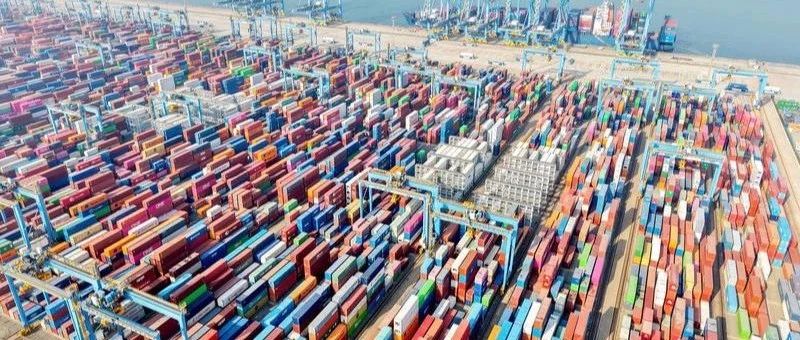
对美海运“爆舱”,除了抓紧“90天”出货还有什么原因
Di Yi Cai Jing· 2025-05-13 07:38
Group 1 - The significant reduction in bilateral tariffs aligns with the expectations of producers and consumers in both countries, as well as the interests of the global community [7] - On May 12, the U.S. announced the cancellation of 91% of tariffs imposed on Chinese goods in April, and modified the 34% "reciprocal tariffs," with 24% of the tariffs suspended for 90 days [1][2] - Following the tariff reduction, there was a surge in booking and consultation volume for shipping, with some companies reporting a 3-4 times increase in activity [1] Group 2 - The urgent need for "inventory clearance" was highlighted, as many exporters rushed to ship goods that had been delayed due to high tariffs [2] - Companies like Shuangma Plastics reported a resumption of orders from U.S. clients, with approximately 30% of their exports directed to the U.S., of which over 20% had been hindered by high tariffs [2] - The demand for shipping to the U.S. is expected to remain high due to the traditional peak season from June to September, compounded by the backlog of goods from April [4] Group 3 - The supply-demand imbalance is exacerbated by international shipping companies reducing capacity on U.S. routes to maintain freight rates, leading to a 50% reduction in market capacity for U.S. shipments [4][5] - The Shanghai Export Container Transport Market Index showed a slight increase in freight rates, with rates to the U.S. West and East coasts rising to $2,347 and $3,335 per FEU, respectively [4] Group 4 - The demand for overseas warehouses has been growing steadily, with stable inventory levels for small items even during high tariffs, indicating resilience in the market [6] - The expectation is that long-term tariff levels will remain reasonable, prompting companies to diversify markets and enhance brand value [7]