
牛肉价格调控

Search documents
全球牛肉“通胀”,中国市场价格为何“独稳”
Bei Jing Shang Bao· 2025-11-09 13:54
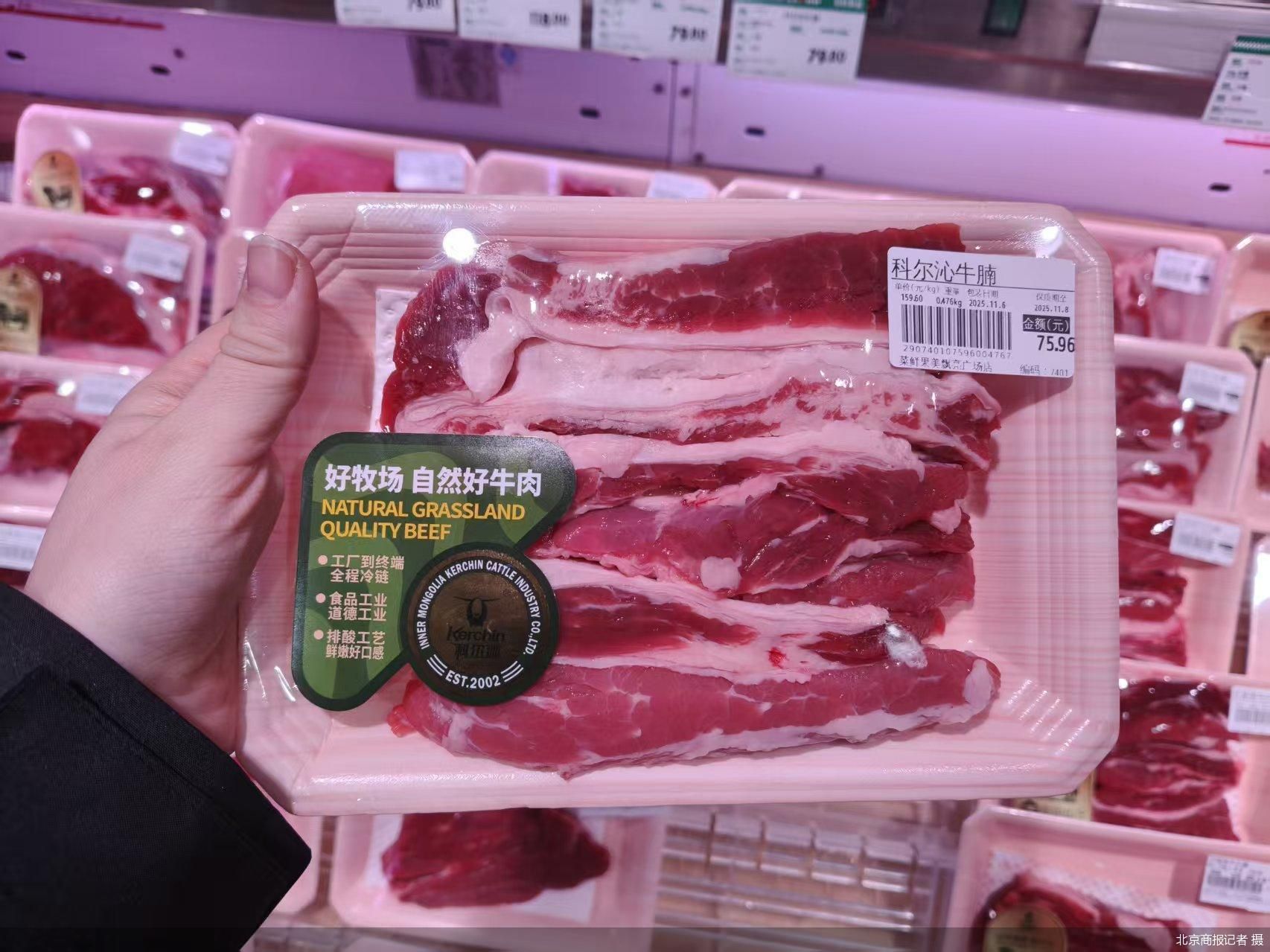
线下门店牛肉产品价格也保持在合理范围。在朝阳某市场开设牛羊肉专卖摊位的陈亮表示,最近牛肉的进货价都差不太多,"每公斤也差不了一块钱,所以 我们的售价几乎没什么变化"。 正在菜鲜果美亚运村店挑选牛肉的市民耿女士表示:"感觉牛肉最近都是这个价格,跟去年比也没什么太大变化。" 供应充足+精准调控:国内稳价有支撑 国内牛肉价格"稳健"背后,是供应充足这一坚实基础。农业农村部发布的《2025年三季度全国畜牧业生产形势报告》显示,三季度全国肉牛出栏量达1820万 头,同比增长2.7%,环比增长3.1%;11月上旬,内蒙古、山东、河南等主产区的肉牛日均到货量环比增长6%,市场货源充足。国内牛肉产量的稳步增长, 为市场提供了有力保障。 同时,淘汰奶牛转肉用成为重要补充。随着国内乳制品行业结构调整,部分中小型乳企因成本压力淘汰低产奶牛,这些奶牛经检疫后转入肉类市场流通。据 中国畜牧业协会估算,2025年以来,淘汰奶牛转肉用的比例已达15%,每月可为市场增加约8万吨牛肉供给,占国内月度牛肉总产量的7.2%,有效填补了市 场供给缺口。 全球牛肉市场正经历着一场"高烧"行情。近日,麦当劳高管公开表示,牛肉价格正面临极高的通胀压力,给 ...

从阿根廷进口牛肉?特朗普又惹到了美国农业州
Di Yi Cai Jing· 2025-10-23 04:59
Core Viewpoint - The U.S. beef prices have been rising since last year, prompting President Trump to consider purchasing beef from Argentina to lower prices, which has faced significant opposition from U.S. ranchers and agricultural representatives [1][3]. Industry Response - The president of the American Cattlemen's Association, Justin Tupper, reported receiving numerous calls from ranchers across the country expressing their concerns about Trump's plan to import beef from Argentina [1]. - Ranchers argue that the proposed importation could harm their livelihoods and future generations in the beef industry, as it may lead to a decrease in beef prices [3]. - Meriwether Farms, a beef company based in Wyoming, publicly criticized Trump’s proposal, calling it a betrayal of American ranchers [3]. Political Opposition - Several Republican lawmakers from agricultural states have voiced their concerns regarding the plan to import beef from Argentina, emphasizing the quality of U.S. beef and the potential negative impact on local ranchers [5]. - A group of Republican representatives from North Dakota and Montana sent a letter to Trump and the Secretary of Agriculture expressing their worries about the importation plan [6]. - Senator Chuck Grassley, a senior member of the Senate Agriculture Committee, criticized the proposal and advocated for actions that would increase U.S. beef production instead [6].