玛雅文明

Search documents
跨越千年万里 理解文明互鉴
Ren Min Ri Bao· 2025-12-18 22:30
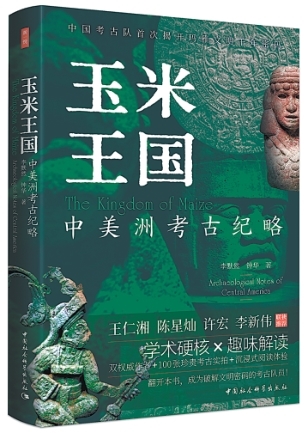
Core Viewpoint - The book "The Corn Kingdom: An Archaeological Chronicle of Mesoamerica" highlights the archaeological discoveries in the Copán site, emphasizing the cultural significance of the Maya civilization and its unique contributions to history and archaeology [2][3][4]. Group 1: Archaeological Discoveries - The Copán site was discovered by American explorer John Lloyd Stephens and British artist Frederick Catherwood in 1839, revealing remnants of a once-thriving civilization [2]. - In 2015, Chinese archaeologists began excavating the noble courtyard 8N-11 at the Copán site, leading to a decade of research that uncovered various ancient relics and fostered international academic friendships [2][4]. Group 2: Cultural Significance of the Maya Civilization - The Maya civilization is characterized by its deep reliance on corn, evident in their culinary practices, and is referred to as the "Corn Kingdom" [3]. - Maya art and religion reflect unique perspectives on the universe, with Copán being noted for its exquisite stone carvings, earning it the title "Athens of the Maya World" [3]. - The Maya developed a complex writing system that combines phonetic and ideographic elements, showcasing their intellectual achievements [3]. Group 3: Insights and Perspectives - The excavation experiences of the Chinese archaeological team provided new insights into foreign civilizations, contributing to a broader understanding of the origins and development of Chinese civilization [4]. - The book serves as a window into the rich and diverse cultures of Central America, including the lesser-known secrets of ancient Mesoamerican civilizations [4].

209件玛雅文物亮相河北博物院 探秘千年文明
Zhong Guo Xin Wen Wang· 2025-12-04 07:01
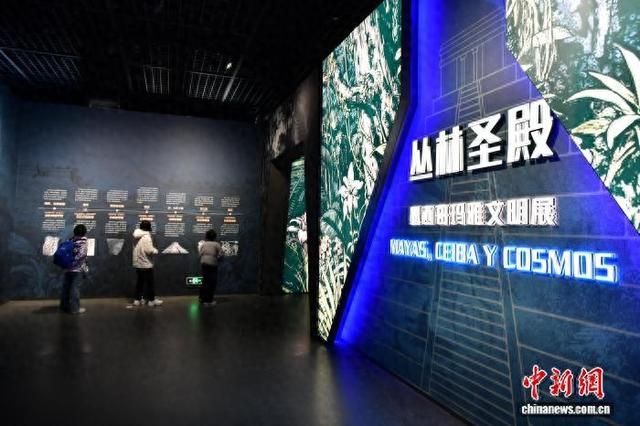
Core Viewpoint - The "Jungle Temple - Mexican Maya Civilization Exhibition" aims to promote cultural exchange between China and Mexico, showcasing 209 valuable artifacts from the Maya classical period (approximately 250-1000 AD) to explore the richness and spiritual essence of Maya civilization [1][3][5][7][10][12]. Group 1 - The exhibition is a collaboration between the Hebei Museum and the Mexican National Institute of Anthropology and History [1][3][5]. - It features a total of 209 pieces/groups of artifacts from the Maya classical period, providing visitors with an immersive experience into the Maya civilization [1][3][5][10]. - The exhibition is designed to facilitate mutual understanding and cultural exchange between Chinese and Mexican civilizations [1][3][5][12]. Group 2 - Various artifacts on display include human figurines, ceremonial vessels, and a jaguar-shaped flag stand, which have attracted significant public interest [5][8][10]. - The exhibition allows visitors to traverse time and uncover the splendid imagery and spiritual core of the Maya civilization [1][3][5][12].
中国社科院考古所晒出“成绩单”,揭示更多“何以中国”的答案
Xin Hua She· 2025-09-28 16:47
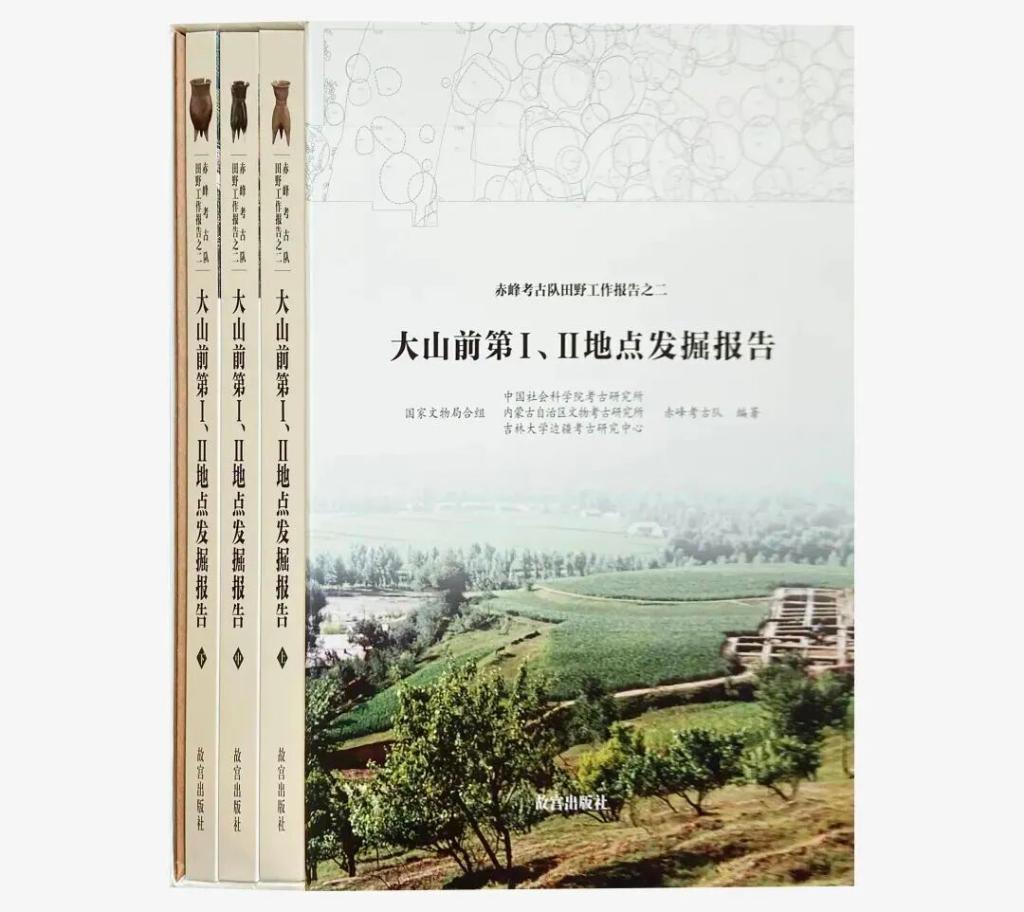
Core Insights - The article highlights significant archaeological achievements in China over the past five years, emphasizing their importance in understanding the origins and development of Chinese civilization [1][2] Group 1: Key Archaeological Findings - The excavation report of the Dasha Qian site reveals its central role during the Xiajiadian Lower Culture period, clarifying the cultural continuity in the Chifeng region from the Xiajiadian Lower to Upper Culture and into the Warring States period [1] - The archaeological findings from Quanzhou provide empirical support for its recognition as a world maritime trade center during the Song and Yuan dynasties, correcting previous misconceptions about the site's layout [1][2] - The excavation of 103 tombs in the Anyang Huabei Shangcheng industrial workshop area offers critical insights into the burial practices and social conditions of artisans during the Shang Dynasty, filling a gap in the understanding of mid-Shang family burial sites [4] Group 2: Significant Cultural Insights - The discovery of the Heishui No. 1 tomb in Qinghai is noted as the most complete and clearly structured high-status tomb found on the Tibetan Plateau, contributing to the understanding of burial customs during the Tang (Tubo) period [5][7] - The excavation at the Liao Shangjing site reveals the first high-status south-facing buildings in a city oriented to the east, advancing the archaeological study of Liao dynasty capital systems [8] Group 3: Contributions to Global Archaeology - The findings at the Copan site in Honduras, including intricate stone carvings, provide valuable material for the study of Maya civilization and exemplify China's archaeological outreach [10][11] - The publication of "Civilization China" presents the latest archaeological data on human origins and cultural evolution, enhancing the understanding of ancient Eastern human development [14] Group 4: Methodological Innovations - The research on Han Dynasty bronze mirrors using 3D scanning technology represents a pioneering effort in ancient mirror studies, contributing significantly to the field of ancient craftsmanship archaeology [19] - The book focusing on ancient Buddhist temples in East Asia aims to establish a theoretical framework for the archaeology of Chinese cave temples, addressing a gap in both domestic and international research [20]