
现代化大产业

Search documents
中国经济信心说丨奔向中国式现代化,“三农”这篇文章大有前景
Yang Shi Xin Wen· 2026-02-06 03:14
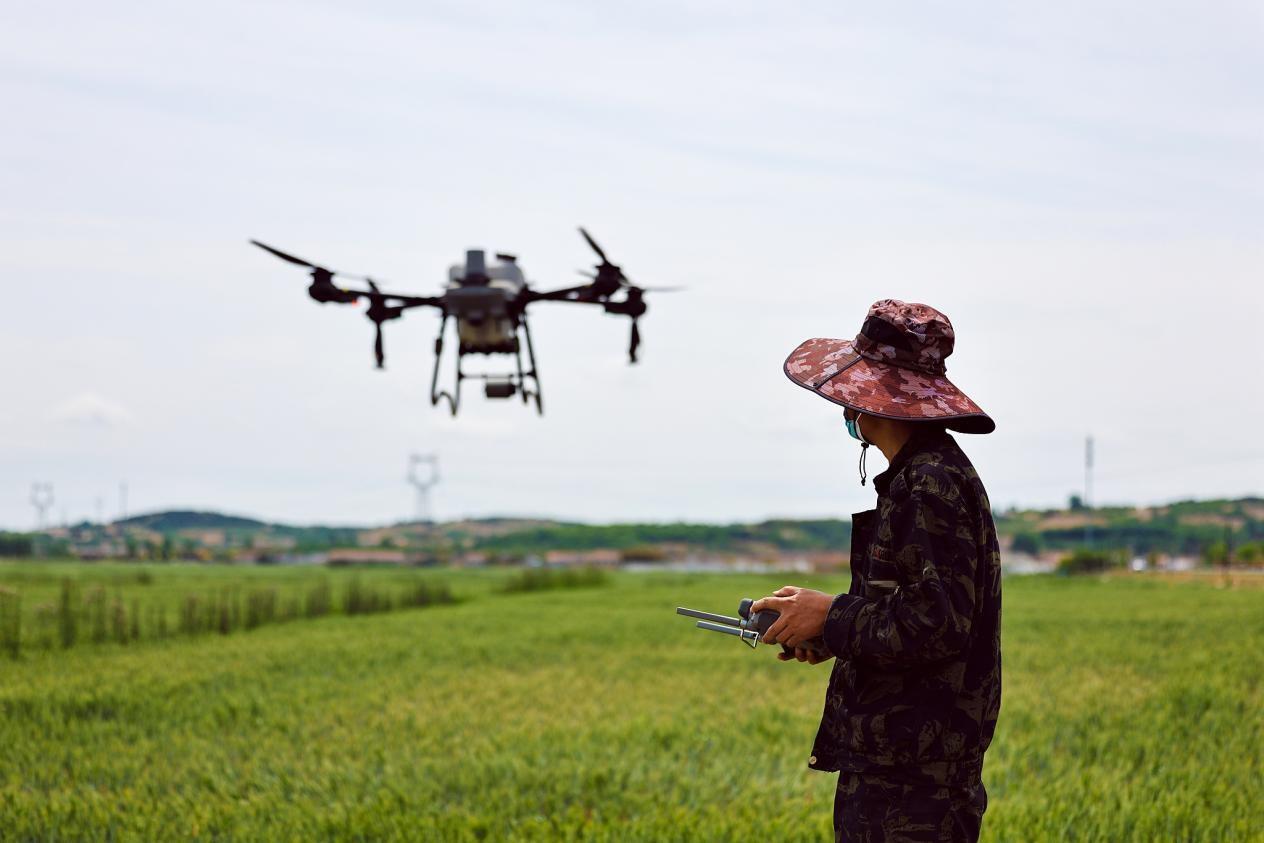
Core Insights - The central document emphasizes the importance of modernizing agriculture and rural areas, signaling a strong commitment to agricultural development and rural revitalization as part of China's broader modernization strategy [1] - The goal is to achieve a grain production of 1.43 trillion jin by 2025, ensuring food security and improving the livelihoods of farmers, which is crucial for the overall success of China's modernization [1] Group 1: Agricultural Modernization - The document highlights the need to transform agriculture into a modernized large industry, focusing on enhancing quality and efficiency rather than just increasing production scale [3] - The integration of technology, such as drones and artificial intelligence, is reshaping agricultural practices, moving from traditional methods to data-driven and algorithm-based operations [3] Group 2: Diversification and Value Addition - The concept of a "modernized large industry" includes expanding the agricultural value chain, addressing issues like "overproduction without profit" by enhancing processing and branding of agricultural products [3] - There is a push towards a diversified food supply system that includes not just traditional crops but also products from forests, grasslands, and aquatic environments, promoting health and quality in food consumption [3] Group 3: Rural Revitalization and Economic Growth - The integration of agriculture with tourism and cultural experiences is becoming increasingly important, creating new economic opportunities in rural areas and enhancing the quality of life for residents [5] - The central document outlines four key tasks and two major support guarantees for rural revitalization, emphasizing the need for sustained efforts to address rural development challenges and stimulate economic growth [5]

【江淮观察】这个皖北小镇草莓产业真“甜”!
Xin Lang Cai Jing· 2026-01-13 20:54
Core Viewpoint - Wencheng Town has successfully developed its strawberry industry, becoming a national agricultural strong town with an annual output value exceeding 1 billion yuan, benefiting local farmers and creating a sustainable economic cycle [1][6]. Group 1: Industry Overview - Wencheng Town, known as "the first strawberry town in northern Anhui," has nearly 30,000 acres of strawberry cultivation, with a daily purchase of over 6,000 kilograms to meet national demand [1][3]. - The town has been recognized as a national agricultural strong town and has received dual certification for "Wencheng Strawberry" as a national green food and geographical indication product [1]. - The strawberry industry employs nearly 10,000 people, contributing to a stable income for local villagers and enhancing rural vitality [1][6]. Group 2: Historical Development - The strawberry cultivation in Wencheng began with a local farmer, Liu Yingchun, who introduced strawberry farming from Zhejiang in the 1980s, leading to a significant increase in local cultivation [3][4]. - Over the decades, the area has transformed from a few acres to a thriving industry, with the current annual output value exceeding 1 billion yuan [1][6]. Group 3: Competitive Advantages - Wencheng's unique natural conditions, including fertile soil and proximity to a large labor pool in the city of Fuyang, provide a competitive edge for strawberry cultivation [5]. - The town has developed a skilled workforce in strawberry farming, allowing for stable incomes comparable to those from migrant work [6]. Group 4: Innovation and Technology - The town has obtained 78 patents related to strawberry cultivation, showcasing its commitment to innovation [1][11]. - New cultivation techniques, such as cold treatment for seedlings, have been introduced to enhance early harvests and improve market competitiveness [7][9]. Group 5: Market Strategy - Wencheng Town is focusing on differentiating its strawberry varieties to avoid market saturation, with early-maturing varieties like "Tianxian Zui" being prioritized [7][10]. - The local government is collaborating with research institutions to develop and promote various strawberry varieties, enhancing the overall quality and marketability [8][10]. Group 6: Future Development - The town aims to expand its strawberry industry by integrating production, processing, and branding, transitioning from merely selling products to establishing a strong brand presence [11]. - Plans include enhancing the entire strawberry supply chain, from seedling development to deep processing, to create a modern agricultural industry [11].