珍稀鱼类保护

Search documents
2000平方米人工湿地落成 助力流溪河珍稀鱼类保护
Xin Lang Cai Jing· 2026-01-22 13:00
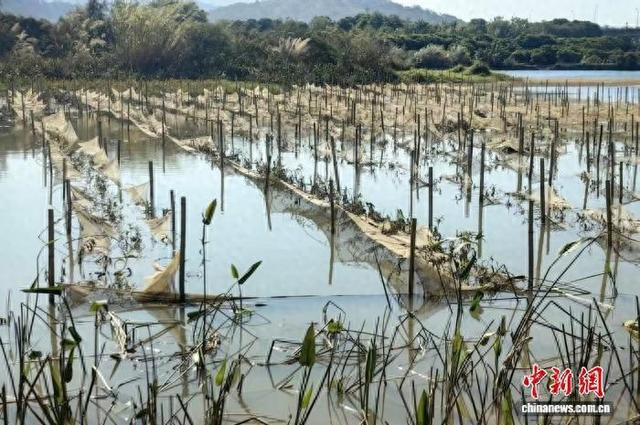
Core Viewpoint - The construction of a 2000 square meter artificial wetland in Guangzhou's Conghua District has been completed and accepted, aimed at enhancing the ecological environment and supporting the conservation of the rare fish species, the Guangdaoshu Bream [1][4]. Group 1: Wetland Construction and Design - The artificial wetland was built efficiently within a week during the dry season, which allowed for better soil leveling and plant establishment, thus increasing the survival rate of aquatic plants [1][3]. - A scientific plant configuration plan was developed based on water depth differences, with 1000 square meters of submerged plants like black algae and bitter grass in deeper areas, and 1000 square meters of emergent plants like water caltrop and two-flowered millet in shallower areas [3]. Group 2: Ecological Impact and Monitoring - The new wetland aligns with the ecological goals of the Guangdaoshu Bream National Aquatic Germplasm Resource Protection Area, providing essential habitats for adult and juvenile fish [3][4]. - Monitoring data indicates a significant recovery trend in the Guangdaoshu Bream population, with annual sightings increasing from about 20 individuals before 2016 to between 50 and 80 in recent years, and the largest individuals weighing over 2 kilograms [3][4]. Group 3: Future Plans and Sustainability - The management team plans to continuously monitor the long-term effects of the artificial wetland on fish resource protection and water quality improvement, with intentions to replicate this ecological restoration model in suitable areas [5].

倾听吧 长江心
Xin Lang Cai Jing· 2026-01-15 22:30
Core Insights - The article discusses the significant ecological improvements in the Yangtze River due to a five-year fishing ban, highlighting the recovery of native fish species and water quality [2] Group 1: Ecological Improvements - The fishing ban from 2021 to 2024 has led to the monitoring of 198 native fish species, which accounts for 83% of the historical total [2] - The aquatic biological integrity index has improved by two levels compared to pre-ban conditions [2] - The annual production capacity of the Yangtze sturgeon has reached over 4 million tails [2] Group 2: Community and Economic Changes - Former fishermen have transitioned to new livelihoods, such as running restaurants and engaging in construction, reflecting a shift in community dynamics [2] - The article emphasizes the personal stories of individuals who have adapted to life after the ban, showcasing their resilience and entrepreneurial spirit [2] Group 3: Research and Conservation Efforts - The article highlights the dedication of researchers and conservationists who have been working for decades to protect the biodiversity of the Yangtze River [2] - It mentions the generational transfer of knowledge and commitment among scientists, indicating a long-term investment in ecological preservation [2]