
鸡汤

Search documents
鲁迅:新年炖只鸡,是个好主意
Xin Lang Cai Jing· 2026-02-19 02:30
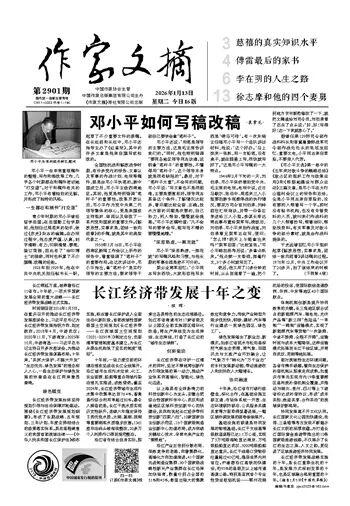
Core Viewpoint - The article discusses the dietary habits of Lu Xun, a prominent Chinese writer, particularly focusing on his consumption of chicken throughout different periods of his life, reflecting cultural and personal significance [4][6][15]. Group 1: Dietary Habits - In the 1930s, Lu Xun's meals were simple but became more elaborate when guests visited, often including multiple bowls of fish and meat [4]. - During his childhood, chicken was a rare treat, typically reserved for special occasions, and was associated with family gatherings and celebrations [6][9]. - Lu Xun's family maintained a tradition of sending chicken to him while he was studying away from home, highlighting the importance of this food in familial bonds [7]. Group 2: Cultural Significance - Lu Xun's reflections on food, particularly chicken, reveal a deeper commentary on social customs and personal values, as he often used food as a metaphor for broader societal issues [9][15]. - His approach to festive meals was casual, indicating a philosophical stance towards traditional celebrations, where he viewed the act of eating chicken during the New Year as a simple yet meaningful gesture [15]. Group 3: Personal Preferences - Despite the health benefits of chicken soup, Lu Xun preferred harder foods and often neglected the more nourishing options during his illness, showcasing his personal tastes [15]. - The article notes that Lu Xun's dietary choices were influenced by his upbringing and the socio-economic conditions of his family, which shaped his relationship with food [11][13].

西贝102家门店关闭:中式餐饮范本可以有多脆弱?
Xin Lang Cai Jing· 2026-01-16 13:22
Core Viewpoint - The ongoing conflict between Jia Guolong and Luo Yonghao highlights the challenges faced by Xibei, a well-known Chinese restaurant brand, as it navigates a significant crisis following public accusations and operational difficulties [2][4]. Group 1: Company Challenges - Xibei has confirmed the closure of 102 stores, marking its largest downsizing effort to date, which reflects the deep challenges faced by the brand after rapid expansion [2][4]. - The company is undergoing a "100-day self-rescue" initiative, which includes product adjustments, price reductions, and employee salary increases to regain customer trust and improve sales [4][5]. - Xibei's human resource costs have risen from 25% to over 30% of revenue, indicating financial strain as the company attempts to attract customers through significant discounts [6]. Group 2: Market Position and Consumer Perception - Xibei's brand positioning has become unclear due to frequent changes, leading to consumer confusion and a perception of high prices, with average spending increasing from 60-80 yuan to 100-120 yuan [7][8]. - The brand's focus on high-quality ingredients and family dining has resulted in a high average ticket price, which is now seen as a barrier to growth in a market where consumers are becoming more price-sensitive [7][8]. Group 3: Strategic Adjustments - The company is shifting its growth strategy from aggressive expansion to a more sustainable approach, accepting a degree of scale reduction and focusing on profitability rather than sheer size [8][9]. - Xibei is reevaluating its supply chain and operational processes to balance quality and efficiency, as the reliance on a centralized kitchen has led to challenges in maintaining food freshness and quality [10][11]. - The brand is exploring new menu options that align with modern health trends while maintaining its core offerings, aiming to enhance customer loyalty and satisfaction [11][12]. Group 4: Industry Implications - Xibei's situation serves as a case study for the broader challenges facing the Chinese restaurant industry, particularly in balancing scale with quality and adapting to changing consumer preferences [11][13]. - The company's recent decisions reflect a shift towards a more cautious and thoughtful approach to growth, which may resonate with other brands in the industry facing similar pressures [12][13].

老乡鸡三冲IPO续命!估值腰斩、家族控股,安徽大食堂困局难破
Sou Hu Cai Jing· 2026-01-16 02:48
Core Viewpoint - The company, Lao Xiang Ji, is facing significant challenges as it attempts its fourth IPO, with its valuation halved and a heavy reliance on its home market of Anhui, which is becoming a limiting factor for growth [3][5][15]. Group 1: IPO Attempts and Valuation - Lao Xiang Ji has made three previous attempts to list on the Hong Kong Stock Exchange, following unsuccessful attempts in A-shares and two prior attempts in Hong Kong, indicating a desperate need for capital [3][5]. - The company's valuation has dropped from an expected 18 billion yuan to 9 billion yuan over three years, reflecting a significant loss of investor confidence [3][5]. Group 2: Business Model and Growth - The proportion of franchise stores has surged to 45.5%, indicating a shift from a fully-owned model to a franchise model, which raises concerns about quality control and brand integrity [5][7]. - Despite reporting revenue of 4.578 billion yuan and a net profit of 371 million yuan in the first eight months of 2025, there are suspicions that this growth may be inflated [5][11]. Group 3: Market Position and Challenges - The company has become overly reliant on its home market, with over 86% of its stores located in Anhui, leading to a lack of geographical diversification and potential market saturation [7][11]. - The heavy asset model that works in Anhui is proving ineffective in larger cities like Beijing and Shanghai, where logistics and management costs are significantly higher [9][11]. Group 4: Governance and Regulatory Issues - The company is controlled by the family of its founder, holding over 90% of the shares, which raises governance concerns among potential investors [9][11]. - Previous issues, such as an 80 million yuan social security debt and food safety violations, have tarnished the company's reputation and may deter foreign investment [11][15]. Group 5: Market Trends - The current market trend favors value-for-money offerings, contrasting with the company's previous focus on premium pricing, which may hinder its competitiveness [12][15].
倾听吧 长江心
Xin Lang Cai Jing· 2026-01-15 22:30
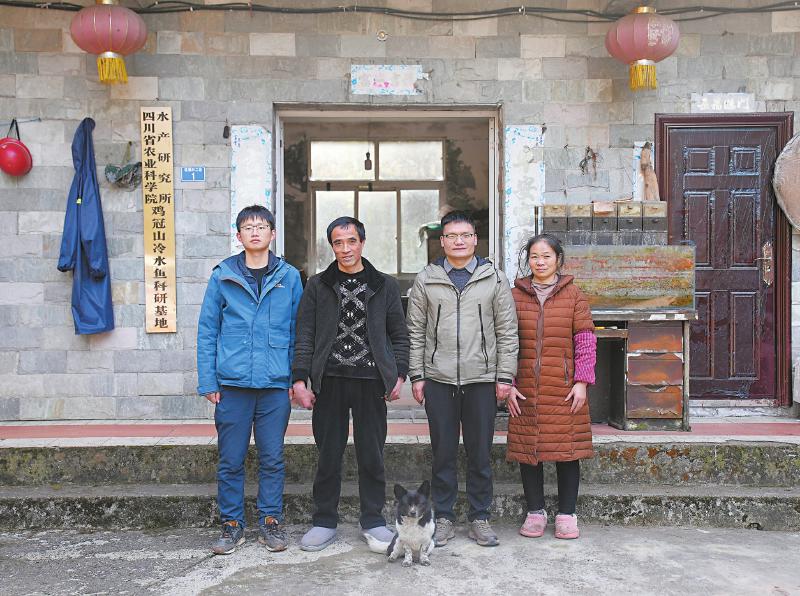
Core Insights - The article discusses the significant ecological improvements in the Yangtze River due to a five-year fishing ban, highlighting the recovery of native fish species and water quality [2] Group 1: Ecological Improvements - The fishing ban from 2021 to 2024 has led to the monitoring of 198 native fish species, which accounts for 83% of the historical total [2] - The aquatic biological integrity index has improved by two levels compared to pre-ban conditions [2] - The annual production capacity of the Yangtze sturgeon has reached over 4 million tails [2] Group 2: Community and Economic Changes - Former fishermen have transitioned to new livelihoods, such as running restaurants and engaging in construction, reflecting a shift in community dynamics [2] - The article emphasizes the personal stories of individuals who have adapted to life after the ban, showcasing their resilience and entrepreneurial spirit [2] Group 3: Research and Conservation Efforts - The article highlights the dedication of researchers and conservationists who have been working for decades to protect the biodiversity of the Yangtze River [2] - It mentions the generational transfer of knowledge and commitment among scientists, indicating a long-term investment in ecological preservation [2]
老乡鸡递表港交所 联席保荐人为中金公司和海通国际
Zheng Quan Shi Bao Wang· 2026-01-09 00:29
Company Overview - Laoxiangji has submitted an application for listing on the Hong Kong Stock Exchange, with CICC and Haitong International as joint sponsors [1] - As of August 31, 2025, Laoxiangji operates 1,658 stores across 61 cities in China, comprising 925 direct-operated stores and 733 franchised stores, establishing a "direct + franchise" store network [1] - The company is recognized as one of the first Chinese fast-food companies to implement standardization across the entire value chain and to adopt digital intelligence [1] - Laoxiangji is the only major Chinese fast-food company with a fully integrated supply chain and a comprehensive traceability system [1] Industry Insights - In 2024, Laoxiangji holds a 0.9% market share, ranking first in the Chinese fast-food industry and eighth in the overall fast-food sector [1] - The Chinese fast-food market is dominated by Chinese-style fast food, with a market size of 809.7 billion RMB in 2024, projected to grow to 1,205.8 billion RMB by 2029, reflecting a compound annual growth rate (CAGR) of 8.3% from 2024 to 2029 [1] - Among the top five Chinese fast-food companies, Laoxiangji ranks first in terms of average daily sales per store (15,100 RMB) and average table turnover rate (4.4) in 2024 [1]

不再“狂撒代金券”之后 西贝的生意怎么样了?
Xin Jing Bao· 2026-01-04 14:15
Core Insights - The article discusses the transformation of Xibei, a restaurant chain, following a public relations crisis that began in September 2025, leading to a significant shift in its operational and pricing strategies [1][3][4]. Group 1: Company Response to Crisis - Xibei experienced a drastic decline in daily revenue, with losses reaching 200,000 to 300,000 yuan per day during the crisis, prompting a halt in expansion and a focus on core operational issues [3][4]. - The company initiated a comprehensive reform over 113 days, addressing menu preparation, pricing, service transparency, and employee welfare, marking a systemic restructuring rather than a mere emergency response [4][5]. - Xibei implemented a significant price reduction of nearly 20% on over 30 menu items, lowering the average customer spending from 92 yuan to 75 yuan, which helped improve customer traffic by approximately 5% compared to the previous year [6][8]. Group 2: Operational Changes - The restaurant chain shifted its food preparation process to enhance freshness, with key dishes being made on-site rather than pre-prepared, including the transition of lamb skewers to be freshly cut and grilled [5][6]. - Xibei introduced a dual transparency mechanism with "open kitchens" and live streaming of kitchen operations, ensuring that customers can see food preparation processes, thereby enhancing trust [7][9]. Group 3: Industry Impact - The crisis catalyzed the development of national standards for pre-prepared foods, addressing long-standing issues of information asymmetry in the industry [3][9]. - The incident led to a broader industry consensus on the importance of transparency, with practices like kitchen live streaming becoming standard among chain restaurants [9][10]. - The public's perception of pre-prepared foods shifted from fear to a more rational understanding, emphasizing the need for clear labeling and transparency in food sourcing and preparation [9][10].
不再“狂撒代金券”之后,西贝的生意怎么样了?
Bei Ke Cai Jing· 2026-01-04 12:13
Core Viewpoint - The article discusses the transformation of Xibei, a restaurant chain, following a public relations crisis, highlighting its efforts to rebuild trust and improve customer experience through significant operational changes and price adjustments [1][6][26]. Group 1: Company Response to Crisis - Xibei experienced a significant drop in customer traffic and revenue during the crisis, with daily sales decreasing by 1 million yuan on September 10 and 11, and losses escalating to 200,000-300,000 yuan by September 12 [14]. - In response, Xibei initiated a comprehensive reform over 113 days, focusing on improving food preparation processes, pricing strategies, and employee welfare [1][16]. - The company implemented a "systematic restructuring" of its business model, emphasizing the return of core cooking processes to the stores and enhancing transparency in food preparation [16][20]. Group 2: Customer Engagement and Pricing Strategy - Xibei reduced prices on over 30 dishes by nearly 20%, lowering the average customer spending from 92 yuan to 75 yuan, which was a shift from a profit-driven pricing model to one based on customer perception [17][18]. - The adjustments led to a 5% increase in overall customer traffic compared to the previous year, indicating a positive market response to the new pricing strategy [19]. - The company emphasized the importance of customer feedback in setting prices, aiming to align with consumer expectations and enhance perceived value [18]. Group 3: Transparency and Food Safety - Xibei introduced a dual mechanism of "open kitchen" and "live streaming" in all stores to enhance transparency, with each location equipped with six cameras covering all operational areas [20]. - The company also upgraded its food safety protocols, undergoing over 80 inspections by government authorities without any violations reported, which helped maintain customer trust during the crisis [24]. - A new "food safety officer" role was established in each store, with incentives for employees to ensure compliance with safety standards, further reinforcing the commitment to food safety [24]. Group 4: Industry Impact and Future Outlook - The crisis prompted the development of national standards for pre-prepared food, addressing long-standing issues of transparency and consumer rights in the restaurant industry [15][26]. - The incident catalyzed a broader industry shift towards transparency, with practices like kitchen live streaming and ingredient traceability becoming standard among chain restaurants [26]. - As Xibei continues its transformation, the restaurant industry is expected to evolve towards healthier and more mature practices, driven by consumer demand for quality and transparency [27].
西贝100天,贾国龙悟了
Jing Ji Guan Cha Wang· 2025-12-26 08:14
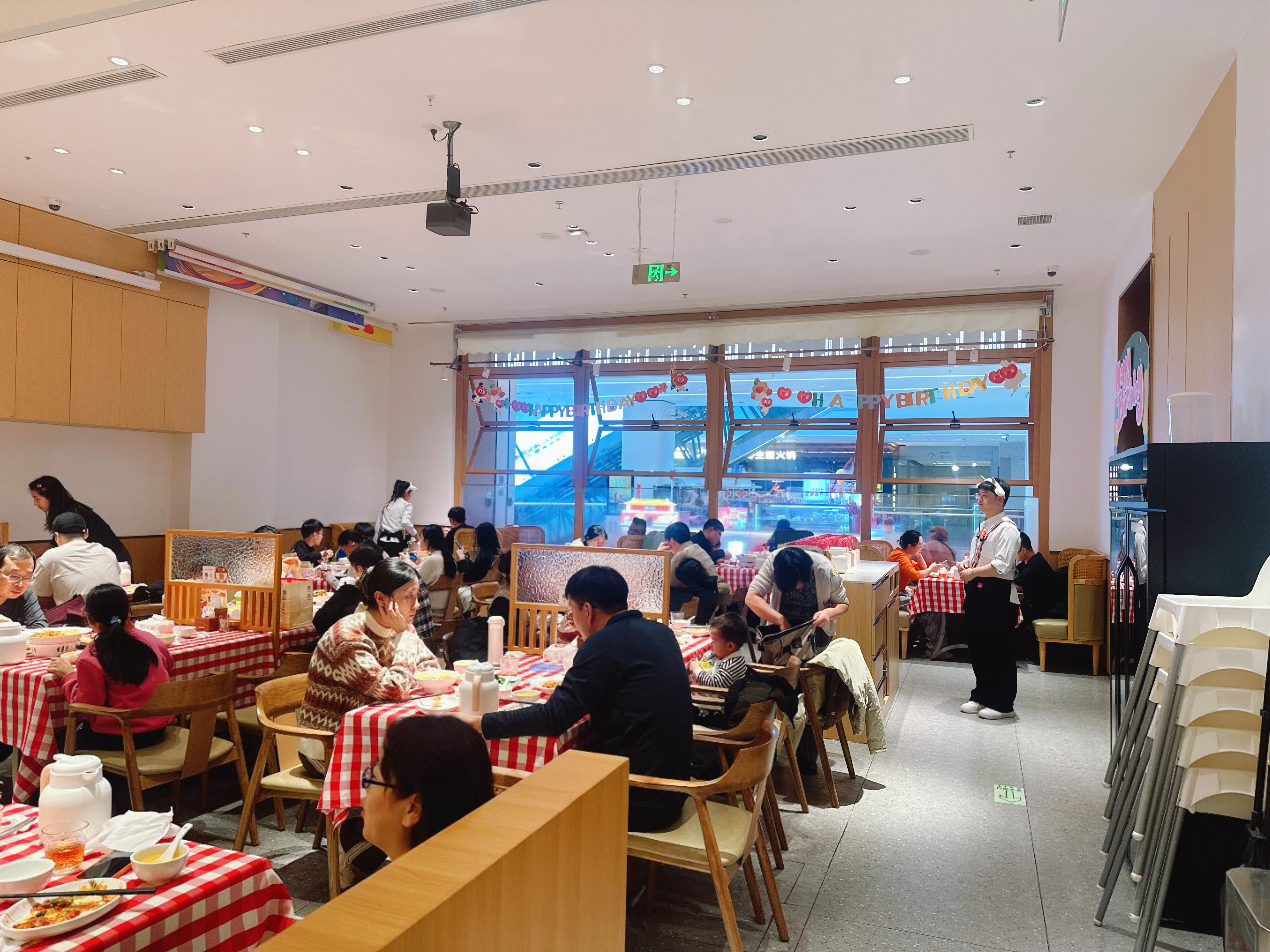
Core Insights - The founder of Xibei Restaurant, Jia Guolong, publicly acknowledged past mistakes and emphasized the importance of listening to customer feedback and improving service quality [1][3][12] Group 1: Crisis Management - Xibei faced a significant public relations crisis after accusations of using pre-made dishes, leading to a drastic drop in customer traffic and sales, with some stores experiencing over a 50% decline [3] - In response to the crisis, Xibei chose to remain silent on social media, allowing time for internal adjustments and avoiding further escalation of the situation [3][4] - The company implemented a series of changes, including menu modifications and a shift towards fresh, made-to-order dishes, which required significant adjustments to their supply chain and operational processes [4][6] Group 2: Pricing Strategy - Xibei adjusted the prices of nearly 40 dishes, reducing them by 5% to 20%, which lowered the average customer spending from 92 yuan to approximately 75 yuan [6][7] - The company introduced promotional activities, such as "spend 50 get 50" vouchers, which successfully increased customer traffic and improved sales during weekends [6] - The pricing strategy shifted from a cost-plus model to a customer perception-based pricing model, aiming to enhance value perception among customers [6][7] Group 3: Employee Engagement - Xibei increased salaries for all frontline staff by 500 yuan and introduced various incentive programs to boost morale and service quality [8][9] - The company emphasized the importance of human resources, ensuring no layoffs occurred during the crisis and focusing on staff training and development [8][9] Group 4: Transparency and Food Safety - Xibei implemented a dual transparency mechanism with live kitchen feeds and strict adherence to food safety regulations, enhancing customer trust [10][11] - The company established dedicated food safety personnel in each location and increased the weight of food safety in performance evaluations [11] - Following the crisis, Xibei successfully passed over 80 government inspections without any food safety issues, reinforcing their commitment to quality [11] Group 5: Long-term Sustainability - The company's actions during the crisis demonstrated a commitment to genuine customer engagement and operational improvements, but challenges remain regarding the sustainability of these changes [12] - Future success will depend on converting short-term promotions into long-term customer loyalty and clearly defining the brand's positioning in the market [12]
贾国龙的反思与百日风波后的西贝
Di Yi Cai Jing Zi Xun· 2025-12-26 01:40
Core Insights - The crisis faced by Xibei, triggered by a public criticism from entrepreneur Luo Yonghao, has been described as the biggest challenge in its 37-year history, leading to a significant decline in customer traffic and revenue [1][2] - Xibei has initiated a comprehensive self-rescue plan, including product adjustments, price reductions, and enhanced food safety measures, to regain customer trust and stabilize operations [3][4][6] Company Response - Xibei's initial response involved a thorough review of its food preparation processes, leading to changes such as on-site cooking and improved food temperature management [1][2] - The company implemented a significant price reduction strategy, with an average decrease of approximately 20% on over 30 menu items, including core dishes like beef bones and lamb skewers [2][3] - A "sunshine kitchen" initiative was launched to enhance food safety, ensuring transparency in food preparation and allowing customers to observe the cooking process [3][4] - Xibei introduced various customer engagement strategies, including promotional offers and discounts, to attract customers back to its restaurants [4][6] - Employee compensation was increased, with a monthly allowance of 500 yuan for frontline staff, reflecting a commitment to staff welfare during the crisis [4][6] Industry Context - The challenges faced by Xibei are indicative of broader issues within the Chinese dining industry, including market demand fluctuations, rising costs, and intensified competition [11][12] - The crisis highlights a shift in consumer expectations towards fresh, made-to-order meals, contrasting with the previous focus on standardization and efficiency [9][10] - The industry is grappling with the balance between maintaining quality and managing costs, particularly as consumer spending becomes more cautious [9][10] - The need for a supportive business environment is emphasized, as a stable regulatory framework is crucial for the long-term health of the restaurant sector [11][12][13]
全国母乳喂养宣传日丨担心母乳不足?调节心情或比喝补汤更管用
Bei Ke Cai Jing· 2025-05-20 11:48
Core Viewpoint - The article emphasizes the importance of both physical and psychological factors in breastfeeding, highlighting that maternal anxiety and emotional well-being significantly impact milk production [1][2]. Group 1: Psychological Factors - Maternal anxiety during breastfeeding can stem from concerns about milk supply, which may be exacerbated by emotional stress and physical exhaustion [1]. - The connection between emotional states and milk flow is noted, with negative emotions potentially leading to liver qi stagnation, affecting milk release despite adequate production [1]. Group 2: Dietary Recommendations - Scientific evidence does not support the idea that certain soups or foods significantly increase milk supply; rather, hydration and maternal confidence may play a role [4][5]. - A diverse diet is encouraged during breastfeeding, as the quantity of milk is primarily determined by the frequency of effective milk removal [7]. - Consumption of seafood is generally safe for breastfeeding mothers, with recommendations to introduce new seafood gradually to monitor for potential allergic reactions in infants [8]. - Moderate caffeine intake, such as 1-2 cups of coffee per day, is considered acceptable during breastfeeding, provided that the infant shows no adverse reactions [9].