生产基地转移

Search documents
东南亚工业园建设潮,吸引中国工厂转移
3 6 Ke· 2025-12-04 04:12
Core Insights - Amata Corporation is expanding its industrial park development into Laos, investing $1 billion to attract companies shifting production bases from China to Southeast Asia [2][3] - The new industrial park in Laos is strategically located about 50 kilometers from the Chinese border, enhancing its appeal to businesses looking to relocate [3][5] - The company has acquired approximately 200 square kilometers of land in northern Laos and plans to start construction and sales by 2025 [2][5] Group 1 - The trend of companies relocating production bases from China to Southeast Asia has intensified since the trade tensions between the US and China began around 2018 [3][5] - Amata Corporation has been operating and developing 12 industrial parks over 100 square kilometers each in Thailand and Vietnam, with significant growth potential due to 700 square kilometers of undeveloped land [5][7] - The company reported a 54% year-on-year increase in consolidated revenue for the fiscal year ending December 2024, reaching 14.9 billion Thai Baht (approximately 3.3 billion RMB) [5][7] Group 2 - Amata's founder, Vikrom Kromadit, emphasized the necessity for China to reduce its trade surplus with the US and Europe, predicting a continued trend of production relocation [2][3] - The company is in discussions with the Laotian government to acquire an additional 200 square kilometers of land for further expansion [2][5] - Competitors like WHA Group are also investing heavily in industrial park development, indicating a growing demand for such facilities in the region [5][7]


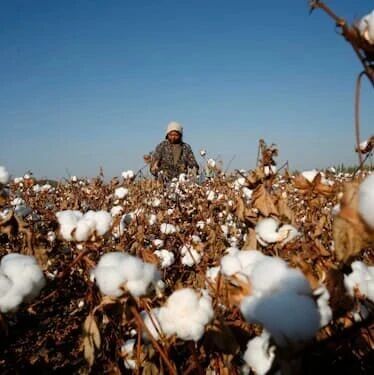
美国棉花1~6月对中国出口大减9成
日经中文网· 2025-09-04 08:00
Core Viewpoint - The export of American cotton to China has decreased by 90% in the first half of 2025, while exports to countries like Vietnam and Pakistan have significantly increased, indicating a shift in trade dynamics due to tariff policies and production relocation in the apparel industry [2][4][6]. Group 1: Changes in Export Destinations - American cotton exports to China fell by 90% in the first half of 2025, while exports to Vietnam increased approximately 2.7 times [4]. - The shift in export destinations is attributed to the tariff policies of the Trump administration and the relocation of apparel production to lower-cost regions outside of China [6]. - The U.S. has reduced tariffs on imports from Vietnam from 46% to 20% and from Pakistan from 29% to 19%, enhancing the competitive position of Southeast and South Asian countries [6]. Group 2: Impact of Tariffs and Trade Policies - The Trump administration's tariffs have led to a significant reduction in cotton exports to China, with a cumulative 145% tariff imposed in April 2025, later negotiated down to 30% [6]. - The ongoing trade tensions and tariff uncertainties are expected to continue influencing the cotton market, with potential impacts on production and pricing [8]. - The USDA projects that U.S. cotton exports will reach 11.9 million bales for the 2024-2025 season, with increases in exports to other regions offsetting the decline to China [9]. Group 3: Price Trends and Market Outlook - Cotton prices have shown weak upward momentum, hovering around 66 cents per pound, slightly below the beginning of the year [11]. - The uncertainty surrounding tariffs and the recovery of textile product demand remains a significant concern for the cotton market [11]. - The potential for increased imports of American cotton may arise as India plans to eliminate cotton import tariffs by September 30 [11].