甩锅主义

Search documents
锐评|甩不完的“锅”,破不了的“斩杀线”
Xin Lang Cai Jing· 2026-01-26 23:12
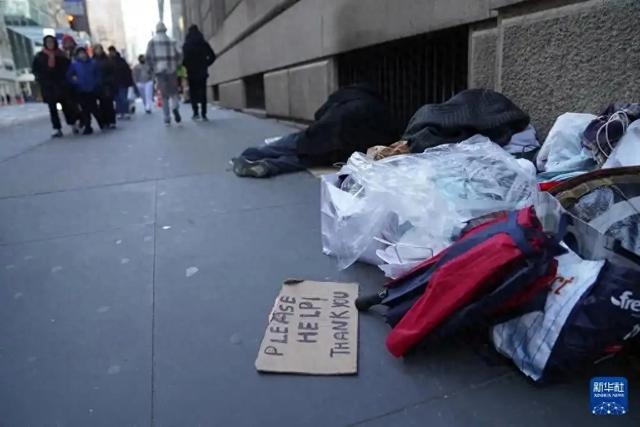
Core Viewpoint - The term "killing line" has gained popularity, highlighting the long-standing survival anxiety in American society, exacerbated by systemic issues in healthcare, income, and housing, leading to a "low-tolerance society" [4][5] Group 1: Social Issues - Approximately 63% of American adults have only enough cash to cover an emergency expense of $400, indicating financial fragility [4] - The U.S. has a significant wealth disparity, with the top tier of society being extremely wealthy while the lower and middle classes face constant risks of financial collapse [4] - The U.S. lacks universal healthcare, with around 20 million adults burdened by medical debt totaling $220 billion, and 66% of personal bankruptcies linked to medical expenses [4] Group 2: Homelessness - As of January 2024, the number of homeless individuals in the U.S. reached 771,480, the highest recorded, equating to 23 homeless individuals per 10,000 people [4] Group 3: Political Dynamics - The "blame-shifting" culture in U.S. politics is characterized by mutual accusations between federal and state governments, and between political parties, especially during crises [7][9] - This blame culture is rooted in the "American exceptionalism" mindset and the decentralized political system, which allows for the easy transfer of responsibility [9][10] Group 4: Economic Context - The "killing line" reflects the failures of capitalism, where individuals unable to contribute to capital growth are seen as expendable, leading to a systemic neglect of vulnerable populations [13][14] - The ongoing discussion around the "killing line" suggests that the American system may not be the optimal model for governance and development, as it fails to protect ordinary citizens from systemic failures [14]