电动汽车产业转型

Search documents
德国重启电动汽车购车补贴背后
Zhong Guo Qi Che Bao Wang· 2026-02-05 07:22
作为欧洲汽车工业的"心脏地带",德国正面临着电动化转型与产业复苏的双重考验。近日,德国政府正式官宣重启电动汽车购车补贴政策,计划在2029 年前拨款30亿欧元(1欧元约合人民币8.3327元),用于支持中低收入家庭购买零排放汽车。这一新政旨在推动德国电动汽车进一步普及,刺激消费需求以 及提振汽车产业。 根据2024年德国联邦经济与气候行动部发布的评估报告,2016至2023年期间,德国联邦政府累计发放补贴逾100亿欧元,共为217万辆电动汽车提供了补贴, 其中140万辆为纯电动车,77万辆为插电式混合动力车。 在补贴政策提前终止后,德国纯电动车市场需求急剧萎缩。欧洲汽车制造商协会(ACEA)数据显示,2024年,德国乘用车销量为281.7万辆,同比略降 1%。其中,因关键补贴退场与经济疲软的双重冲击,纯电动车销量同比大跌27.4%至38万辆;插电式混合动力车销量则同比增长9.2%至19.2万辆。有分析 师表示,2024年对德国电动汽车产业而言堪称"失去的一年"。 汽车产业低迷,亟需提振 电动汽车补贴政策重启的背后,是德国汽车业亟待破解的发展困局。当前,德国汽车业关厂裁员危机愈演愈烈。2025年11月,德国联邦 ...

从强制生产到警惕过剩 泰国变了
Zhong Guo Qi Che Bao Wang· 2025-12-01 02:04
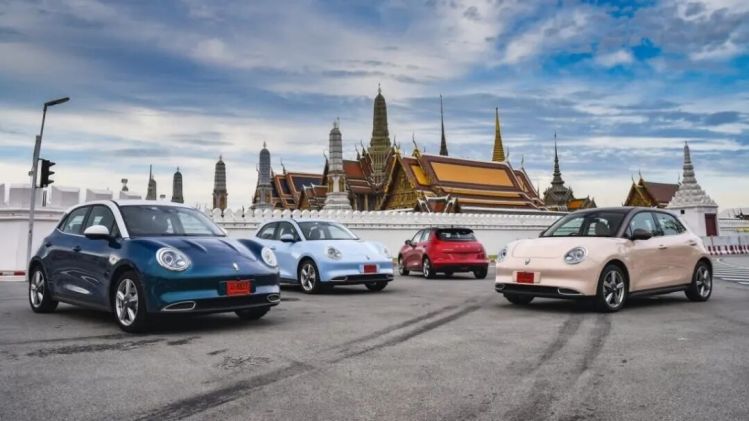
Core Insights - Thailand's Board of Investment (BOI) has adjusted its electric vehicle (EV) incentive policy, allowing manufacturers to count 1.5 exported EVs towards local production obligations, aimed at boosting exports and preventing domestic oversupply [2][4] Group 1: Policy Adjustments - The new policy encourages automakers to increase exports while addressing potential oversupply in the domestic market [2][4] - Previous measures included tax reductions, price subsidies, and corporate income tax exemptions to attract significant investments from companies like BYD and Great Wall Motors [2][3] - The requirement for manufacturers to produce 1.5 EVs locally for every imported unit aims to build a robust local production system [3] Group 2: Market Dynamics - Chinese brands dominate the Thai EV market, holding over 70% market share, with significant contributions to the local electric vehicle transition [2][6] - In September, Thailand's pure electric vehicle deliveries reached 9,107 units, nearly doubling year-on-year, with total sales from January to September at 81,381 units, accounting for over 18% of new car sales [2][3] - The overall automotive market in Thailand is projected to decline by 26% in 2024, with total sales expected to be around 573,000 units, falling behind Indonesia and Malaysia [3] Group 3: Competitive Landscape - The rapid growth of the EV market in Thailand is largely driven by Chinese automakers, with the top five selling models in September all from Chinese brands [6] - The policy changes present new opportunities for Chinese companies like BYD and Great Wall, allowing them to export more vehicles while meeting local production requirements [6] - Increased competition is anticipated as Japanese automakers accelerate their electrification efforts and Western brands like Tesla expand their presence in the Thai market [6]