电动汽车可靠性

Search documents
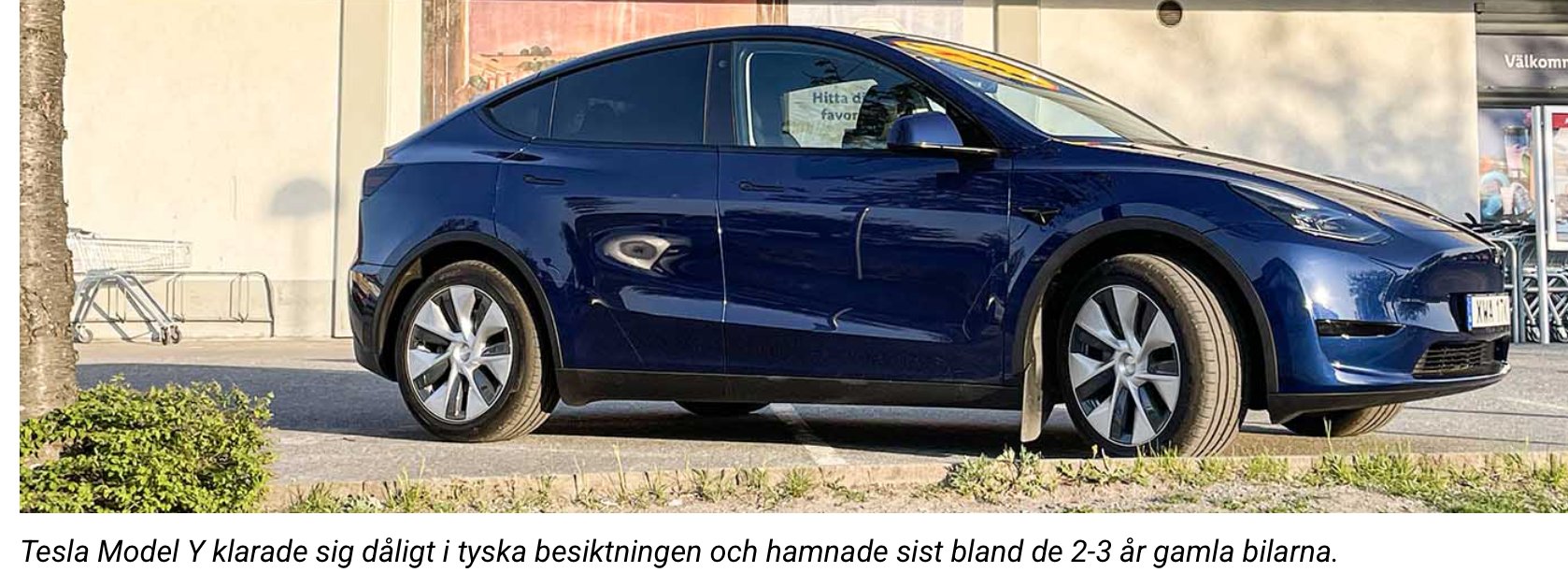
全德汽车俱乐部报告:特斯拉 Model Y 缺陷率 17.3% 垫底,十年来最差表现
Xin Lang Cai Jing· 2025-11-22 03:22
Core Insights - The ADAC's 2026 TÜV report reveals that Tesla Model Y has the highest defect rate of 17.3% among 110 evaluated models, marking the worst performance in a decade for this vehicle type [1] - The report highlights significant reliability issues for Tesla, with Model 3 also performing poorly at a defect rate of 13.1%, ranking third from the bottom [5] Group 1: Tesla Model Y Performance - Tesla Model Y ranks last in the evaluation of 2-3 year old vehicles, with a defect rate of 17.3%, the highest recorded in the last ten years for this age group [1] - The report identifies three major problem areas for Model Y: suspension system, brake discs, and vehicle lighting [5] Group 2: Comparison with Other Models - Mini Cooper SE is noted as the most reliable electric vehicle in the assessment, with a defect rate of only 3.5% [5] - Audi Q4 E-Tron and Fiat 500e also performed well, with defect rates of 4.0% and 4.2% respectively, placing them among the top performers [5] - Volkswagen's ID.3 and ID.4/ID.5 models are positioned in the mid-range of the rankings [5] Group 3: Common Issues in Electric Vehicles - The TÜV report indicates that electric vehicles commonly face issues with suspension and brake systems [5] - The report's analysis suggests that the heavy weight of drive batteries places continuous high loads on the suspension system, while reduced use of traditional brakes due to regenerative braking may lead to rust or performance decline of brake discs [5]


故障率仅为燃油汽车的41%
汽车商业评论· 2025-05-05 12:57
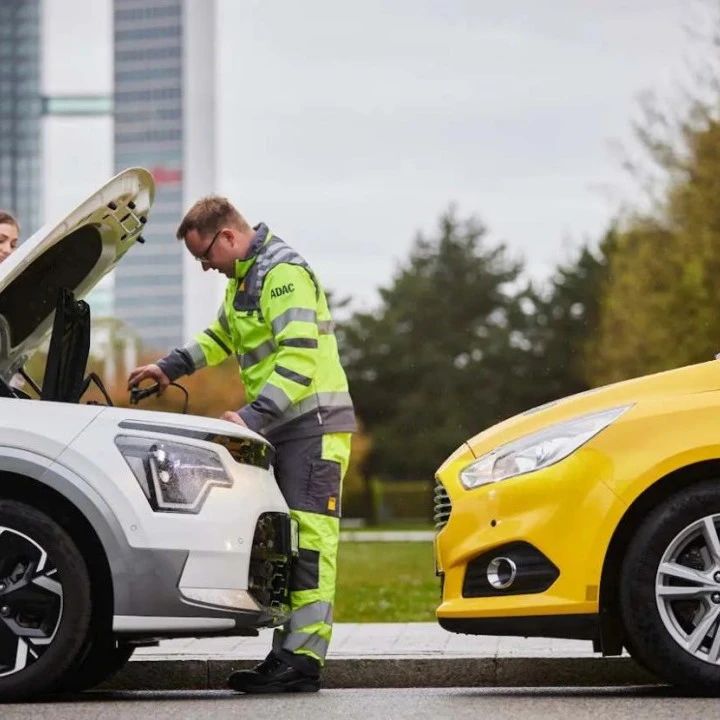
Core Viewpoint - The research conducted by ADAC indicates that electric vehicles (EVs) have a lower failure rate compared to internal combustion engine (ICE) vehicles, despite an increase in the number of service calls for EVs due to their growing popularity [4][8]. Group 1: Reliability of Electric Vehicles - In 2024, ADAC reported that electric vehicles accounted for only 1.2% of the total 3.6 million service calls, with 43,678 calls related to EVs [8]. - The average failure rate for electric vehicles from 2020 to 2022 was 4.2 failures per 1,000 vehicles, while ICE vehicles had an average of 10.4 failures per 1,000 vehicles, indicating that ICE vehicles are nearly 2.5 times more likely to fail [10]. - The failure rates for electric vehicles have significantly decreased over the years, from 8.5 failures per 1,000 vehicles in 2020 to 1.7 in 2022 [10]. Group 2: Comparison of Failure Rates - The failure rate for the 2022 model of Tesla Model Y was only 0.9 failures per 1,000 vehicles, while the Hyundai Ioniq 5 had a concerning rate of 22 failures per 1,000 vehicles [14]. - The Volkswagen ID.4 had a failure rate of just 1 failure per 1,000 vehicles for the 2022 model year, showcasing the competitive reliability of EVs [14]. - The most common cause of failures in both EVs and ICE vehicles was the 12-volt low-voltage battery, which accounted for 50.5% of EV failures and 44.6% of ICE vehicle failures in 2024 [15]. Group 3: Areas of Concern - Tire issues were noted as a significant concern, with 1.3 EVs needing assistance due to tire problems per 1,000 vehicles, compared to 0.9 for ICE vehicles [16]. - Despite some issues, electric vehicles do not have the same potential problems as ICE vehicles, such as oil changes and complex powertrains, leading to lower overall component failure rates [16]. - The research suggests that as electric vehicles continue to evolve, their reliability is expected to improve further, countering claims of inherent unreliability [10][11].