
电动自行车停车治理

Search documents
电动车停车乱象如何破局?多地探索治理良方
Xin Lang Cai Jing· 2026-01-18 00:57
Group 1 - The core viewpoint of the articles highlights the increasing popularity of electric bicycles in urban areas, with a total ownership of approximately 380 million units in China, leading to significant parking challenges [1] - In Shenzhen, there are over 6 million registered electric bicycles, causing congestion in pedestrian areas near public transport and commercial zones [1][3] - The rumor regarding Shenzhen becoming the first major city to implement a systematic electric vehicle parking fee has been debunked, with no official announcements from local authorities [3] Group 2 - The issue of parking for electric bicycles is exacerbated by the high number of vehicles compared to the limited number of compliant parking spaces, with Guangzhou having over 5 million registered electric bicycles but only about 700,000 legal parking spots [3] - The discussion around parking fees suggests that while market-based solutions may be necessary, they require careful consideration and planning to ensure adequate services and infrastructure are provided [5] - Alternative governance measures, such as ensuring every electric bicycle has a secure parking space, may be more effective and better received by the public [6] Group 3 - Exploring market-based methods to manage parking resources in commercial areas could help guide public transportation usage, while a one-size-fits-all approach to charging in essential public locations is not advisable [8] - Policies from other cities, such as Beijing's regulations requiring public buildings to provide non-motorized vehicle parking facilities, and Nanning's dual pricing model, illustrate different approaches to managing electric bicycle parking [8]

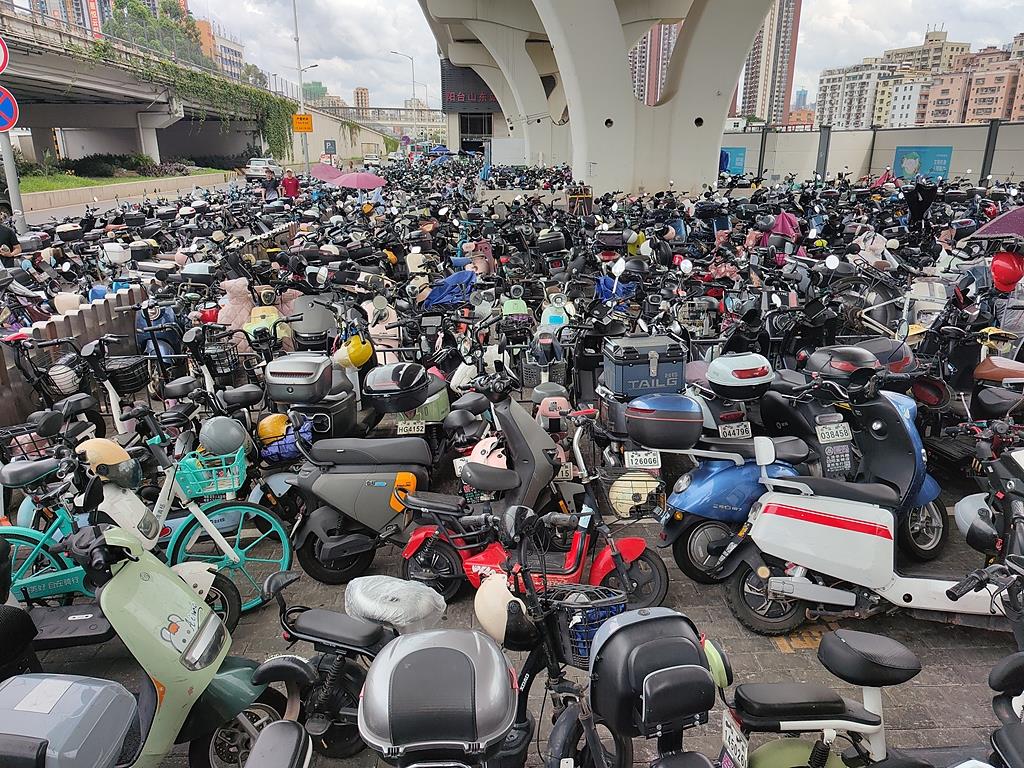
2元停车费,能解“电鸡围城”之困吗?
Xin Lang Cai Jing· 2026-01-04 00:25
Core Insights - Guangzhou is facing a significant challenge with electric bicycle parking, having 5.76 million registered electric bicycles but only about 700,000 designated parking spots, leading to congestion and disorder around metro stations [1] Group 1: Parking Management Regulations - The new regulations set to take effect on December 30, 2024, aim to ensure that there are designated paths, parking spaces, and charging facilities for electric bicycles [1] - The success of parking facilities is closely linked to their ability to meet actual demand and provide corresponding services [1][7] Group 2: Case Studies of Parking Facilities - The parking facility at Xilang Metro Station has been operational for over four years, providing over 1,000 parking spots and maintaining order, with a fee of 2 yuan per day [3][4] - In contrast, the parking facilities at Jushui and Wanshengwei Metro Stations failed due to lack of demand and unclear management responsibilities, leading to their closure [2][7] - Baiyun Tonghe Station has recently built a new parking facility with approximately 1,200 spots, currently operating for free due to the absence of standardized management and pricing [6][7] Group 3: User Perspectives - Users express a need for convenient and affordable parking solutions, highlighting the importance of organized parking to avoid inconvenience caused by disorderly parking [8][9] - The establishment of parking facilities has significantly improved the situation outside metro stations, reducing congestion and disorder [10] Group 4: Legal and Regulatory Considerations - There is a call for Guangzhou to establish clearer regulations and guidelines for electric bicycle parking facilities, including operational registration and transparent pricing [11][12] - The current lack of specific guidelines may hinder the effectiveness of charging as a tool for managing urban parking challenges [12]