
睡眠惯性

Search documents
千万不要这样定闹钟!危害比你想得多
Xin Lang Cai Jing· 2025-12-27 04:16
Core Viewpoint - The article discusses the negative effects of being awakened by an alarm clock, particularly when it interrupts deep sleep, leading to discomfort and impaired cognitive functions. Group 1: Sleep Stages and Alarm Impact - Sleep consists of several cycles, including light sleep, deep sleep, and REM sleep, with each stage affecting the waking experience differently [3][4] - Waking up during deep sleep can lead to poor short-term memory and cognitive performance for up to two hours after awakening [4] - Alarm clocks can disrupt the natural waking process, causing sleep inertia, which is the time needed for the brain and body to fully awaken [6] Group 2: Effects of Alarm Sounds - The choice of alarm sound significantly influences the waking experience; softer, gradually increasing sounds can reduce the shock of waking [8] - Sudden loud alarms can cause a spike in blood pressure and heart rate, leading to a stressful waking experience [8] Group 3: Alternative Awakening Methods - Natural light and gentle vibrations are recommended as more suitable methods for waking up, aligning better with the body's natural rhythms [10] - Using light to simulate sunrise or employing vibrating alarms can help individuals wake up more comfortably [10]

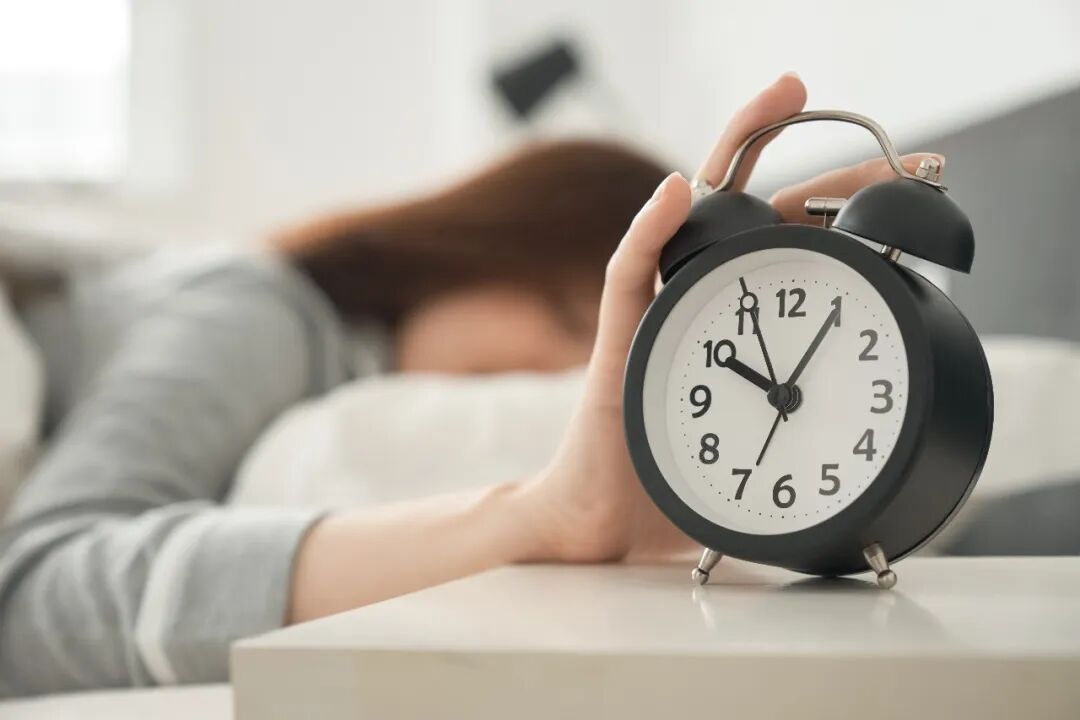
千万不要这样定闹钟!!!这么做危害比你想得多……
Xin Lang Cai Jing· 2025-12-24 00:17
Core Viewpoint - The article discusses the negative effects of being abruptly awakened by alarms, particularly strong sounds, on cognitive functions and overall well-being. Group 1: Effects of Alarm Sounds - Strong alarm sounds can cause abrupt awakenings, leading to increased heart rate and blood pressure, similar to being startled [8] - Waking up from deep sleep can impair short-term memory and cognitive performance for up to two hours [5] - The phenomenon of "sleep inertia" means that individuals may take longer to feel fully awake, especially if their sleep quality was poor [7] Group 2: Sleep Stages and Awakening - Sleep consists of multiple cycles, including light sleep, deep sleep, and REM sleep, each affecting how one feels upon waking [4] - Awakening during deep sleep is particularly jarring and can lead to feelings of confusion and irritability [5] - Natural awakenings often occur during REM sleep, making the transition to wakefulness smoother [4] Group 3: Recommendations for Alarm Sounds - Softer sounds, such as gentle music or nature sounds, are recommended over harsh alarm tones to reduce stress upon waking [8] - Alarms that gradually increase in volume can help ease the transition from sleep to wakefulness [8] - Alternative awakening methods, such as light exposure or gentle vibrations, can align better with the body's natural rhythms [10]
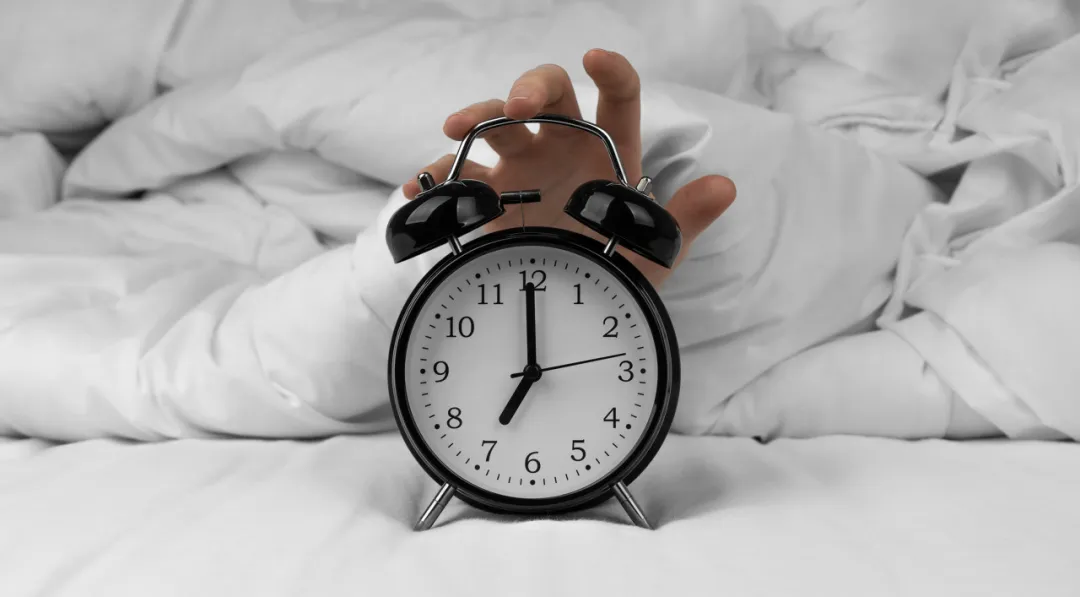
千万不要这样定闹钟 这么做危害比你想得多
Xin Lang Cai Jing· 2025-12-22 19:21
Core Points - The article discusses the negative effects of being abruptly awakened by an alarm clock, particularly when it interrupts deep sleep, leading to cognitive impairment and physical discomfort [1][7][10] - It emphasizes the importance of choosing appropriate alarm sounds to minimize the shock of waking up, suggesting softer sounds or natural noises instead of harsh tones [9][10][11] Summary by Sections Sleep Stages - Sleep consists of multiple cycles, including shallow sleep, deep sleep, and REM (Rapid Eye Movement) sleep, each affecting the waking experience differently [2][6] - Shallow sleep is the easiest stage to wake from, while deep sleep is characterized by a significant reduction in heart rate and breathing, making it difficult to awaken [4][6] Effects of Alarm Clocks - Waking from deep sleep can lead to poor short-term memory and cognitive performance for up to two hours after awakening, as well as increased feelings of grogginess due to the accumulation of adenosine in the brain [7][8] - The phenomenon known as "sleep inertia" describes the gradual transition from sleep to wakefulness, which can take longer if sleep quality is poor [8][9] Alarm Sound Recommendations - Research indicates that different alarm sounds can significantly impact the experience of waking up, with gentle music or natural sounds being preferable to abrupt alarm tones [9][10] - A gradual increase in sound intensity is recommended to ease the waking process, contrasting with the jarring nature of standard alarm sounds [10] Alternative Awakening Methods - Other methods for waking up include using natural light, vibrations, or gentle nudges from family members, which align better with the body's natural rhythms [11][12][13]
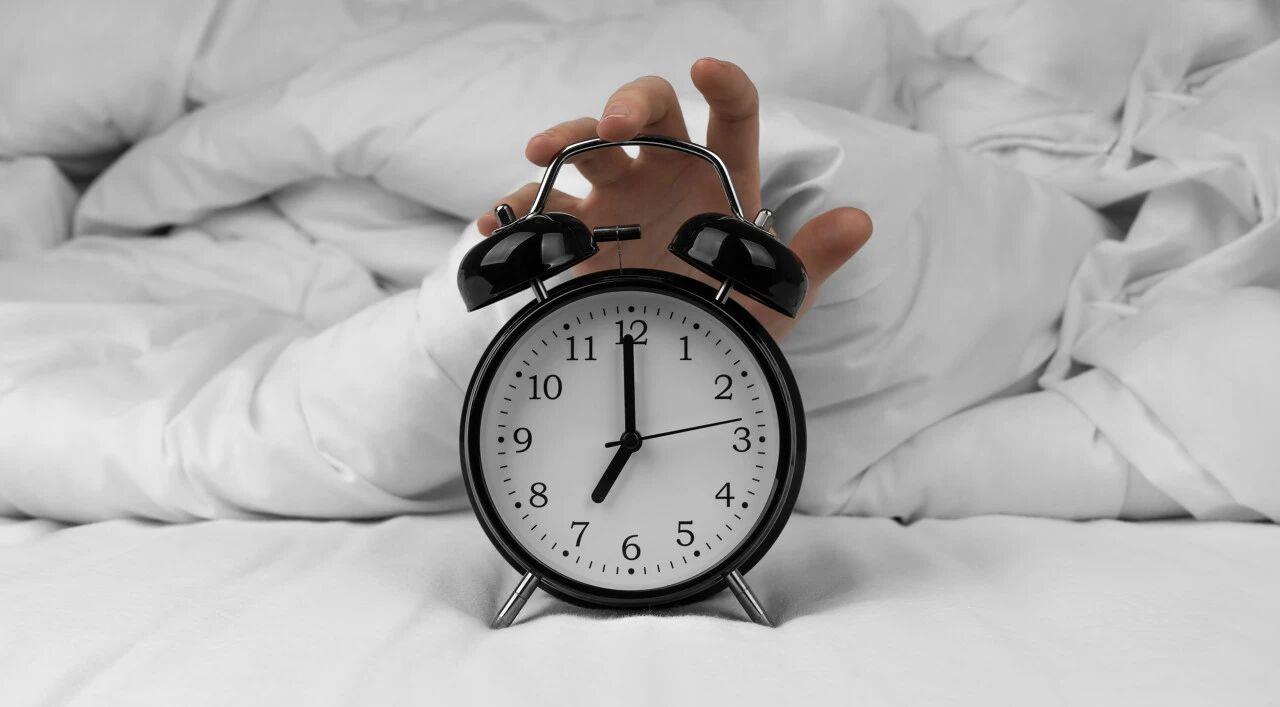
你有起床气吗?4个妙招,教你缓解暴躁
Yang Shi Xin Wen Ke Hu Duan· 2025-06-17 01:38
Core Insights - The article discusses the phenomenon of "waking up grumpy," scientifically known as "sleep inertia," which can negatively impact emotions, behavior, and interpersonal relationships. Factors Contributing to Morning Irritability - Sleep inertia is a significant factor leading to waking up grumpy, as the brain's awakening centers activate while emotional regulation areas are still inactive, causing emotional misinterpretation [1] - The characteristics of sleep cycles, particularly waking during the rapid eye movement (REM) phase, can lead to emotional instability due to increased heart rate and brain activity while muscles remain relaxed [1] - Skipping breakfast can increase the likelihood of waking up grumpy, as low serotonin levels from not eating can lead to feelings of fatigue and low mood [1][2] Strategies to Alleviate Morning Irritability - Establishing good sleep habits, such as maintaining a regular sleep schedule and creating a comfortable sleep environment, can enhance sleep quality and reduce morning irritability [3] - Gradual awakening methods, such as using soothing sounds or natural light, can help the brain adjust to waking up, reducing stress responses [4] - Adopting a positive mindset upon waking can help mitigate discomfort and negative emotions, encouraging individuals to set small goals or engage in enjoyable activities [5] - Consuming a nutritious breakfast, including proteins and vitamins, can help stabilize mood and energy levels, making mornings more pleasant [6][7]