碳中和发展力指数

Search documents
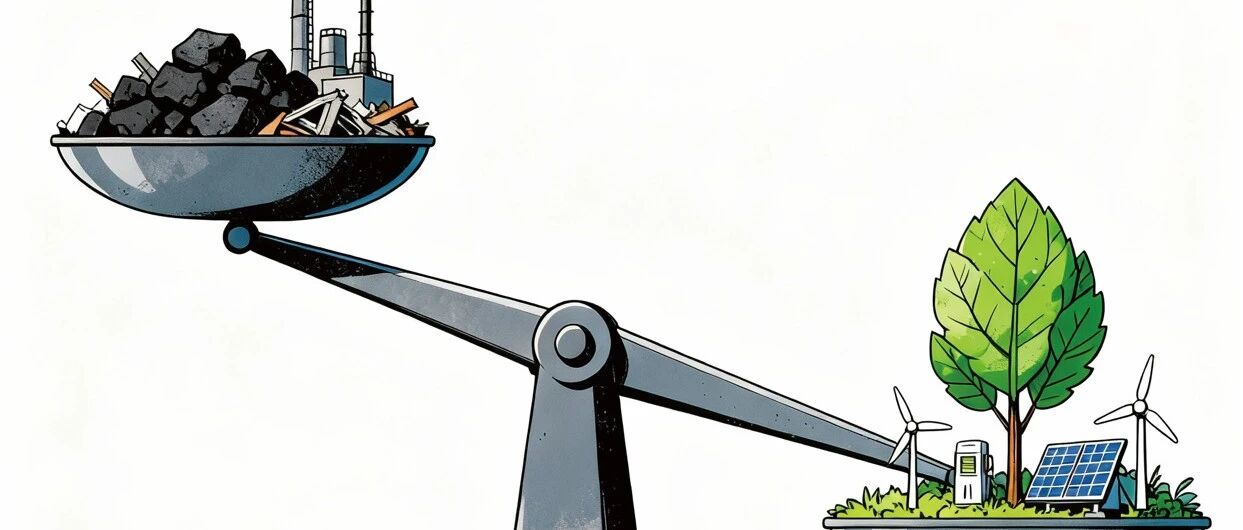
绿色转型不可忽视“区域均衡”
中国能源报· 2025-09-30 00:05
Core Insights - The article discusses the progress of China's green low-carbon transition over the past five years, highlighting the release of the "2025 China Carbon Neutral Development Index" which serves as a reference for future transformation paths [2][6] - The index indicates that while there is overall progress, regional disparities remain, with a focus on technological innovation and market mechanisms as key areas for future breakthroughs [2][4] Summary by Sections Carbon Neutral Development Index - The "China Carbon Neutral Development Index" has been published for five consecutive years, focusing on regional carbon neutrality potential and practical outcomes [4] - The 2025 index includes over ten key indicators, emphasizing the shift from end-of-pipe governance to source control, the role of green finance, and comprehensive agricultural green security [4] - Average scores for provinces and key cities improved, with scores of approximately 56.32 and 54.40 respectively, reflecting a steady advancement [4] Regional Characteristics and Challenges - Different regions are exploring unique green transition paths based on their energy resources and industrial foundations, leading to organic integration of low-carbon transition and economic growth [5] - However, regions like Inner Mongolia and Xinjiang face challenges such as low energy efficiency and significant pressure for industrial restructuring [8][9] - Key bottlenecks in these regions include reliance on fossil fuels, insufficient collaboration in green industry chains, and weak technological innovation capabilities [9] Future Trends in Transition - The "14th Five-Year Plan" period is identified as a critical phase for green low-carbon transition, with four major trends anticipated: gradual increase of renewable energy, decarbonization in key sectors, focus on green upgrading and circular development, and enhanced multi-stakeholder governance [10][11] - Technological innovation is emphasized as a core element, with recommendations for breakthroughs in clean energy technologies and enhancing the integration of technology transfer [11] Market Mechanisms and Financial Support - The article stresses the need for improved carbon pricing mechanisms and a unified green finance system to support the achievement of carbon neutrality goals [12] - Recommendations include expanding carbon market coverage, establishing a unified regulatory framework for green finance, and leveraging index monitoring for policy optimization [12]