磁吸充电

Search documents
为何安卓手机厂商就是不愿意做“真磁吸充电”
3 6 Ke· 2026-02-12 12:28
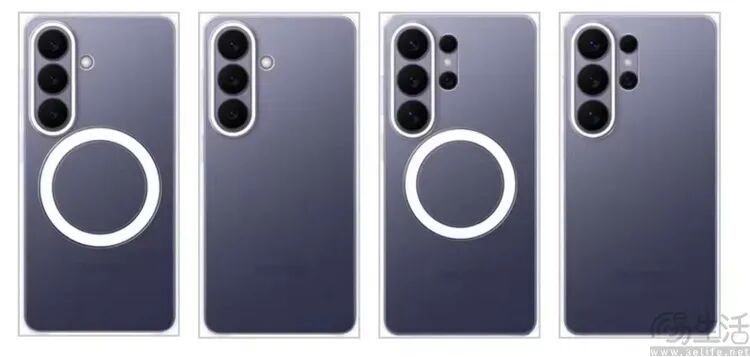
Core Viewpoint - The analysis suggests that Samsung's Galaxy S26 series may not include built-in magnets for magnetic charging, as indicated by the release of both magnetic and non-magnetic official cases, leading to speculation about the reluctance of Android manufacturers to adopt integrated magnetic charging designs [1][3]. Group 1: Magnetic Charging Technology - The absence of built-in magnets in the Galaxy S26 series implies that users will need to purchase separate magnetic cases to utilize magnetic charging, similar to other Android devices [3][6]. - Apple's MagSafe technology is a significant reference point, as it has established a proprietary ecosystem that Android manufacturers are hesitant to replicate due to patent restrictions and the need for original designs [4][6][9]. Group 2: Challenges for Android Manufacturers - Android manufacturers face technical challenges in creating original magnetic designs that comply with the Qi2.2 standard while avoiding infringement on Apple's patents, which complicates the development of a competitive magnetic charging solution [6][11]. - The cost implications of integrating magnets into devices are significant, especially in a market already affected by rising storage chip prices, making it an unattractive option for manufacturers [7][9]. Group 3: Market Dynamics - The success of Apple's iPhone 17 series in the domestic market indicates a lucrative opportunity for Android manufacturers to create accessories compatible with Apple's magnetic ecosystem, even if they do not directly compete with Apple [12]. - By opting not to include built-in magnets and instead offering magnetic cases, Android manufacturers can reduce production costs while still tapping into the potential revenue from magnetic accessories [12].


磁吸iPhone很香,为什么Android跟不上?
Hu Xiu· 2025-07-27 04:25
Core Viewpoint - The wireless charging technology, despite being around for nearly 15 years, has not seen widespread adoption compared to other smartphone features, with the Wireless Power Consortium (WPC) asserting that the technology is not at fault [2][3]. Group 1: Qi2 Protocol Updates - WPC recently updated the Qi2 protocol to version 2.2.1, increasing the charging power from 15W to 25W, a nearly 70% increase [3][6]. - The updated protocol aims to expand its ecosystem to include mainstream Android smartphones, although the first compliant devices do not support magnetic alignment [6][12]. - The Qi2 protocol emphasizes the magnetic alignment feature, which is considered essential for faster and more efficient wireless charging [6][12]. Group 2: Market Adoption Challenges - Despite the introduction of the Qi2 protocol, the actual adoption of magnetic charging technology in smartphones has been limited, with only a few models, such as Nubia Z40 Pro and HMD Skyline, fully supporting it [13][14]. - The slow adoption is attributed to the fact that many manufacturers prefer their proprietary high-power charging protocols over the Qi2 standard, which is seen as lagging behind [16][19]. - The requirement for built-in magnets in devices complicates design and manufacturing, as current smartphone designs prioritize battery and camera size over compatibility with Qi2 [17][20]. Group 3: Competitive Landscape - The competitive landscape is further complicated by the existence of a mature market for third-party magnetic accessories, which has developed independently of the Qi2 protocol [22]. - Major players like Apple have successfully integrated magnetic charging into their ecosystem, while competitors like Samsung have faced challenges due to design constraints and interference issues with existing features [23][24]. - The future of Qi2 adoption remains uncertain, as manufacturers continue to prioritize proprietary solutions in a market characterized by increasing component density and competition [25].