
社区更新

Search documents
社区更新 惠民暖心(深阅读)
Ren Min Ri Bao· 2026-01-26 06:52
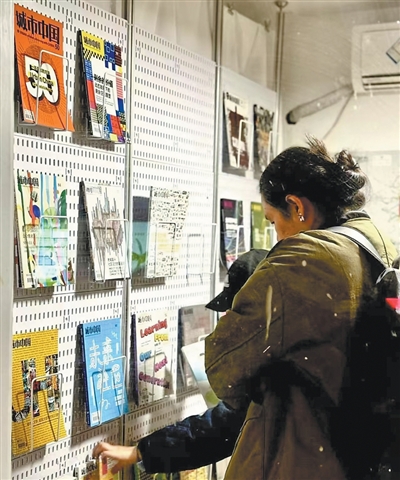
Core Viewpoint - The article highlights the ongoing urban renewal initiatives in various Chinese cities, focusing on community-driven projects that enhance residents' quality of life through cultural spaces, shared gardens, and improved infrastructure like elevators [8]. Group 1: Community Cultural Spaces - In Shanghai's Changning District, a small cultural space called "One Meter Market" has been transformed from an old phone booth into a community service point, featuring engaging exhibitions like "Giraffe Home" to foster cultural exchange [9][10]. - The "One Meter Market" serves as a platform for various art exhibitions, allowing residents to interact with cultural artifacts and enhancing the community's cultural engagement [11]. Group 2: Shared Gardens - In Hefei, Anhui Province, a neglected corner of the community was transformed into a shared garden through resident initiative, improving both aesthetics and community involvement [12][13]. - The shared garden project utilized a "co-build, co-govern, and co-share" model, allowing residents to take ownership of the space and manage it collectively, which has fostered a sense of community [13]. Group 3: Elevator Installations - In Chengdu, Sichuan Province, the installation of elevators in the aging South Light Impression community has significantly improved accessibility for elderly residents, addressing mobility challenges [14][15]. - The project was initiated following community discussions and involved residents in decision-making, leading to a successful implementation of elevator installations across the entire complex [16].

规划师驻点,老小区“长”出新空间
Xin Lang Cai Jing· 2026-01-18 21:31
Core Insights - The article discusses the "Happiness Renewal" community planner project initiated in Qixia District, which aims to enhance community autonomy and improve residents' quality of life through "micro-renovations" [1][2][3] Group 1: Project Overview - The "Happiness Renewal" project addresses issues in aging residential areas, such as lack of public space, aging facilities, and insufficient community vitality, by shifting from a government-led approach to a multi-stakeholder governance model [1] - The project involves collaboration with university planning teams to gather resident feedback and identify common needs, such as increased storage space and improved safety features [1][2] Group 2: Resident Involvement - The renovation process emphasizes a "resident-led" philosophy, with residents actively participating in the design and oversight of the project, transforming them from bystanders to co-builders [2] - Residents contributed to the project by suggesting practical improvements, with 21 out of 26 suggestions from resident representatives being implemented [2] Group 3: Project Impact - The renovated community space, "Chang Le Fang," now features clear functional zones, practical amenities, and a welcoming environment, serving as a social hub for various activities [2] - Similar "micro-renovation" initiatives are being implemented across multiple communities in Qixia District, enhancing local services and improving the overall living environment [3] - The project has been executed in 12 aging residential areas, employing 21 planning professionals from Nanjing University, demonstrating that small investments can significantly enhance living conditions and community satisfaction [3]