禁果效应

Search documents
想让孩子远离手机,家长要做这5件事
Jing Ji Guan Cha Bao· 2025-12-12 06:48
Core Viewpoint - The article emphasizes that addressing children's smartphone addiction requires understanding their underlying psychological needs and improving parent-child relationships rather than simply restricting phone use. Group 1: Understanding Children's Smartphone Dependency - Children's reliance on smartphones reflects unmet psychological needs, serving as an escape from negative emotions and a search for belonging when real-life support is lacking [1][2] - Parents often focus on correcting behaviors without recognizing the deeper meanings behind them, which can signal underlying issues that need to be addressed [1] Group 2: Strategies for Reducing Smartphone Use - Parents should create a structured environment for electronic device usage, ensuring that technology serves as a tool rather than the center of life [3] - Discussing smartphone usage rules with children can mitigate the "forbidden fruit effect," allowing for a more balanced approach to technology [4] - Increasing quality time spent with children can fulfill their emotional needs, reducing the desire for the superficial pleasures of smartphone use [5][6] - Engaging children in real-world experiences, such as nature outings and cultural activities, can help them find joy outside of screens [6][8] - Encouraging diverse interests and talents in children can shift their focus from smartphones to more fulfilling pursuits, fostering a sense of achievement and emotional value [9]
一篇文看懂儿童心理学,这4个管教技巧让你受用终生
Jing Ji Guan Cha Bao· 2025-10-13 02:14
Group 1 - The article discusses the application of psychological principles in child education, emphasizing that there are systematic methods to educate children effectively [1] - It highlights the "forbidden fruit effect," where children are more curious about things that are prohibited, suggesting that this can be used positively in parenting [2][4] - An experiment illustrates that telling children not to touch something can increase their curiosity, leading them to explore more [3] Group 2 - The importance of a sense of security in childhood is emphasized, stating that it significantly impacts a child's happiness and development throughout life [5] - Parents play a crucial role in providing this sense of security, which can influence a child's willingness to face challenges and explore new experiences [6] - The article notes that children's expressions of affection, such as seeking closeness to parents, are often rooted in their need for security [7] Group 3 - Sleep is identified as a critical factor in a child's development, with adequate sleep being essential for physical growth and cognitive development [8] - The article warns that parents may inadvertently harm their child's sleep by not addressing underlying fears, such as fear of the dark [9][10] - Recommendations for establishing healthy sleep habits include maintaining a consistent sleep schedule and creating a conducive sleep environment [10] Group 4 - The "overload effect" is introduced, explaining that excessive criticism can lead to increased resistance and negative feelings in children [11][12] - It suggests that parents should avoid repetitive nagging, as it can trigger adverse reactions in children and diminish the effectiveness of their guidance [12]
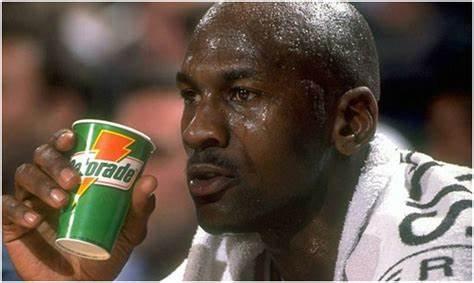
库里,“拒喝”佳得乐
3 6 Ke· 2025-05-06 00:04
Core Viewpoint - The article discusses the declining popularity of Gatorade among NBA players, highlighting a shift towards personalized nutrition and athlete independence in brand endorsements [3][5][10]. Group 1: Brand Perception and Athlete Behavior - Gatorade, once a staple in NBA locker rooms, is now often rejected by players, with stars like Stephen Curry and Kawhi Leonard openly expressing their disdain for the brand [3][5]. - Many players are opting for personalized drink options, often created by their nutritionists, indicating a trend towards individualized nutrition solutions [5][9]. - The behavior of players hiding or rejecting Gatorade during press conferences raises questions about the brand's current standing among athletes [3][5]. Group 2: Endorsement Conflicts and Market Dynamics - NBA players are increasingly aligning with competing brands, such as LeBron James with Powerade and Klay Thompson with BodyArmor, leading to conflicts with Gatorade [7][10]. - Gatorade has not secured endorsement deals with all NBA players, resulting in feelings of being "forced" to promote the brand among those who are not affiliated [7][10]. - The traditional sponsorship model is being challenged as athletes seek more involvement in product development and brand partnerships [9][19]. Group 3: Impact of Athlete Actions on Brand Value - High-profile rejections of brands by athletes can lead to significant media attention, which may paradoxically increase interest in the rejected products, as seen with Gatorade's search volume spike following Curry's actions [17][19]. - The article draws parallels with other sports, noting similar instances where athletes have rejected sponsor products, impacting brand perception and market value [10][12]. - The need for brands to adapt to changing athlete expectations and consumer preferences is emphasized, suggesting that brands must focus on product quality and user experience rather than solely relying on celebrity endorsements [15][19]. Group 4: Future of Brand-Athlete Relationships - The article suggests that brands must evolve from viewing athletes as mere promotional tools to recognizing them as co-creators of value, fostering a more collaborative relationship [14][19]. - The decline in the effectiveness of celebrity endorsements, particularly among younger consumers, indicates a shift towards authenticity and shared values in brand relationships [19]. - Gatorade's role as a sponsor is crucial for the financial ecosystem of the NBA, yet the brand must navigate the changing landscape of athlete preferences and market dynamics to maintain relevance [19].