
禁飞区

Search documents
特朗普称“全面关闭”委内瑞拉空域,美国真会对委动武吗?
Xin Jing Bao· 2025-12-05 06:03
Core Viewpoint - The escalating tensions between the United States and Venezuela are marked by military threats and diplomatic maneuvers, with the U.S. aiming to pressure the Maduro government for regime change under the guise of anti-drug operations [1][2][3]. Military Actions - The U.S. has deployed multiple warships in the Caribbean, claiming to target Venezuelan drug trafficking vessels, resulting in over 80 deaths since early September [1]. - The U.S. military has intensified its presence near Venezuela, with bombers and aircraft carriers operating close to its coast, indicating a significant military buildup [3][4]. - Military analysts suggest that the scale of U.S. military deployment exceeds what would be necessary for anti-drug operations, indicating a broader intention to challenge the Venezuelan government [4]. Diplomatic Communications - A phone call between President Trump and President Maduro on November 21 resulted in demands for Maduro's resignation by November 28, which Maduro rejected [2][4]. - Following the deadline, Trump declared that Venezuelan airspace should be considered "fully closed," signaling potential military action [5][6]. Strategic Intentions - The U.S. has labeled the Venezuelan drug organization "Sun Cartel" as a terrorist group, framing its military actions as counter-terrorism efforts [3]. - Analysts believe the U.S. aims to undermine the Maduro regime to establish a pro-American government, thereby gaining control over Venezuela's vast oil reserves [6][7]. Regional Implications - The U.S. strategy reflects a broader "right-wing" policy in Latin America, aiming to counter leftist governments in the region, with Venezuela being a key target [7]. - The potential for conflict has raised concerns among neighboring countries and international observers, with calls for restraint and dialogue [10]. Risk of Military Engagement - The risk of direct military confrontation is increasing, with Maduro emphasizing Venezuela's sovereignty and readiness to defend against foreign aggression [8][9]. - Experts suggest that any U.S. military action may involve targeted strikes rather than a full-scale invasion, which could have significant political repercussions domestically and internationally [9][10].
委内瑞拉强烈反对“美国封锁空域”
Yang Shi Xin Wen Ke Hu Duan· 2025-12-01 19:15
Group 1 - The U.S. has deployed multiple warships in the Caribbean near Venezuela under the pretext of "anti-drug" operations, increasing pressure on Venezuela [1] - Venezuela's Vice President has appealed to OPEC regarding U.S. attempts to seize its oil reserves, claiming it poses a serious threat to regional security and stability [1] - Venezuela's National Assembly is set to hold a special session to investigate the murder of its citizens by U.S. military forces in the Caribbean, considering whether it constitutes a war crime or extrajudicial execution [1] Group 2 - Despite the tensions, daily life in Caracas appears relatively normal, with citizens continuing to go to work and school [2] - On November 30, 20 international flights operated at Simón Bolívar Airport, although eight international airlines have temporarily suspended flights to and from Caracas [2] Group 3 - The U.S. has made statements about "closing Venezuelan airspace," which has been interpreted by several international media outlets as akin to the concept of a no-fly zone [3] - The concept of a no-fly zone has been historically misused by the U.S. and its allies to interfere in other countries, often without direct UN authorization [4] Group 4 - Analysts suggest that the U.S. rhetoric about "closing Venezuelan airspace" is aimed at extreme pressure on Venezuela, with the potential for dangerous military confrontations [5] - The U.S. strategy includes military intimidation and the possibility of enforcing a complete air blockade over Venezuela, which could disrupt commercial and international flights [6]
“全面关闭”委内瑞拉空域,美国要动武?
Bei Jing Ri Bao Ke Hu Duan· 2025-11-30 07:59
Core Viewpoint - The statement by President Trump regarding the closure of Venezuelan airspace signals a potential escalation of U.S. military actions in the region, particularly under the pretext of drug enforcement [1][2]. Military Actions - Trump indicated that the U.S. military has already prevented approximately 85% of maritime drug trafficking from Venezuela and plans to initiate land operations soon [1]. - The U.S. has deployed multiple naval vessels, including the largest aircraft carrier, USS Gerald R. Ford, in the Caribbean, and has reportedly sunk over 20 alleged drug trafficking boats since early September, resulting in over 80 deaths [1]. Impact on Aviation - Following the FAA's safety warning about the risks of flying over Venezuelan airspace, several airlines, including Gol Airlines, Avianca, and Iberia, canceled flights to and from Venezuela [3]. - The Venezuelan government responded by revoking the operating licenses of six foreign airlines, citing their compliance with U.S. actions [3]. Reactions from Various Parties - The Venezuelan government condemned Trump's remarks as a violation of its sovereignty and initiated multilateral mechanisms to address the "U.S. blockade of airspace" [4]. - Leaders from Colombia, Cuba, and regional organizations expressed concerns that Trump's statements could lead to unpredictable consequences for peace and stability in Latin America and the Caribbean [5]. - Some U.S. politicians criticized Trump's approach, arguing that it risks leading the country into another costly foreign war without congressional authorization [5].
波兰无人机事件持续发酵 北约多国将参与“东部哨兵”军事行动
Yang Shi Xin Wen· 2025-09-17 09:47
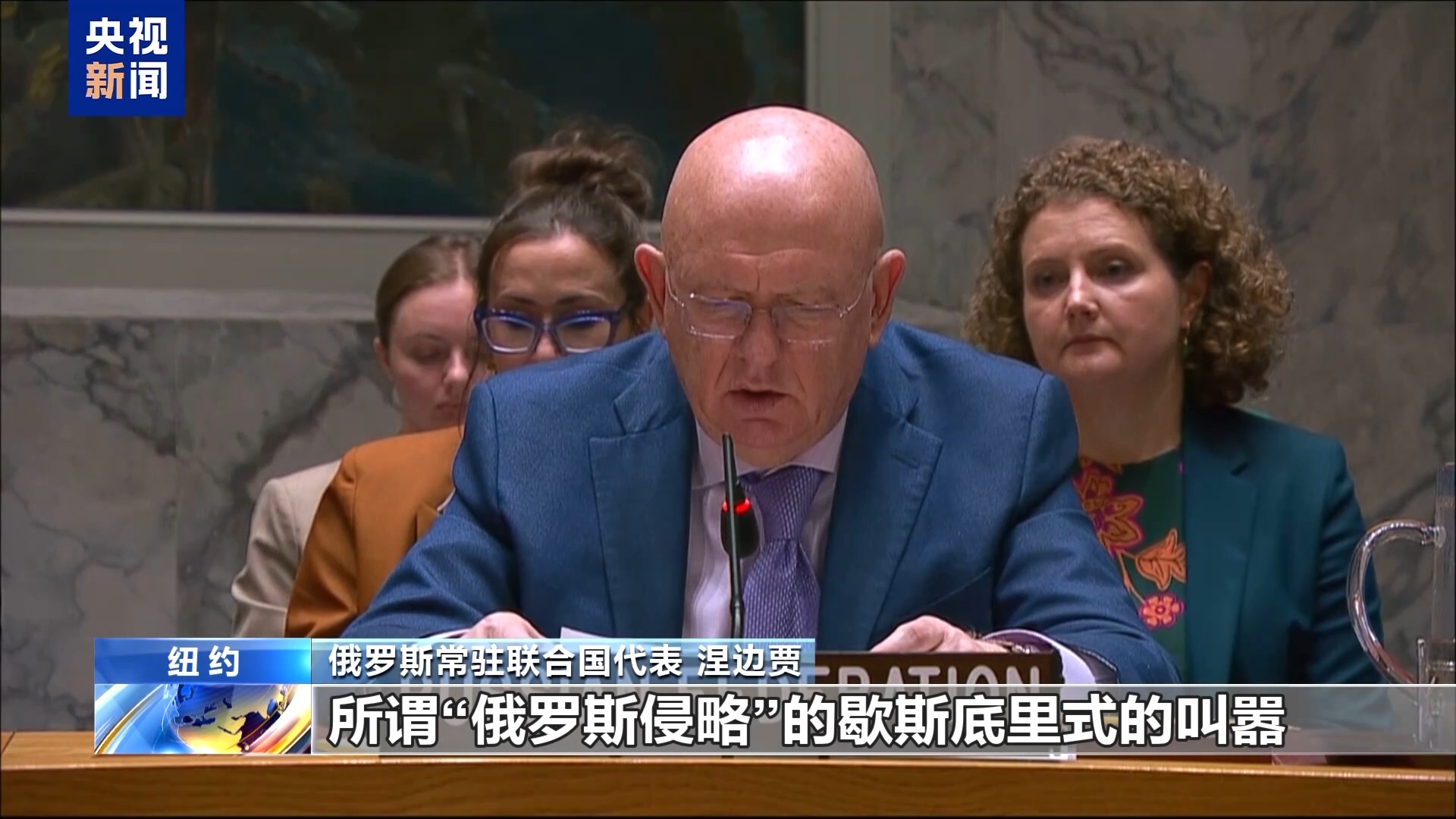
Group 1 - The UK government has announced its participation in NATO's "Eastern Sentinel" military operation in Poland, joining forces from Denmark, France, and Germany [1] - Spain, Italy, and Sweden are also expected to support the operation, with Spanish support to be announced soon [1] - French "Rafale" fighter jets deployed to Poland are capable of carrying nuclear weapons, although they are not equipped with nuclear warheads for this mission [1] Group 2 - Poland's Foreign Minister Sikorski proposed establishing a no-fly zone over Ukraine to protect civilians from Russian drone threats, emphasizing the need for a collective decision among NATO allies [2] - Russian officials, including Dmitry Medvedev, strongly opposed the idea, stating that it would signify a war between NATO and Russia [2] Group 3 - Russian representatives criticized Poland for allegedly blaming Russia for the drone incident without evidence, suggesting that Poland's refusal to negotiate is a provocative act [3] - Russia's UN representative noted that Poland's claims of Russian aggression are part of a broader information war aimed at maintaining external support for Ukraine [5]

梅德韦杰夫:若北约击落俄无人机 将意味着战争
Yang Shi Xin Wen· 2025-09-15 08:53
Group 1 - The Deputy Chairman of the Russian Security Council, Medvedev, stated that the establishment of a "no-fly zone" in Ukraine by Ukrainian authorities and NATO countries, as well as NATO members shooting down Russian drones, would signify a war between NATO and Russia [1] Group 2 - Poland has agreed to the deployment of NATO "Eastern Sentinel" military operation forces on its territory, as confirmed by the Polish National Security Bureau [2] - Following a drone incident in Polish airspace, NATO Secretary General Stoltenberg announced the initiation of the "Eastern Sentinel" military operation to enhance deterrence and defense posture on the eastern flank of the alliance [2] - Multiple countries, including Denmark, France, the UK, and Germany, will mobilize troops and equipment to participate in this operation [2] - The Polish military responded to a significant number of drones entering its airspace on the night of the 9th, shooting down some of them, with the Polish government attributing the drones to Russia, although Russia has not confirmed this assertion [2]