私钥管理

Search documents
春节资产安全手册:如何守护好你的 Token?
Xin Lang Cai Jing· 2026-02-15 10:37
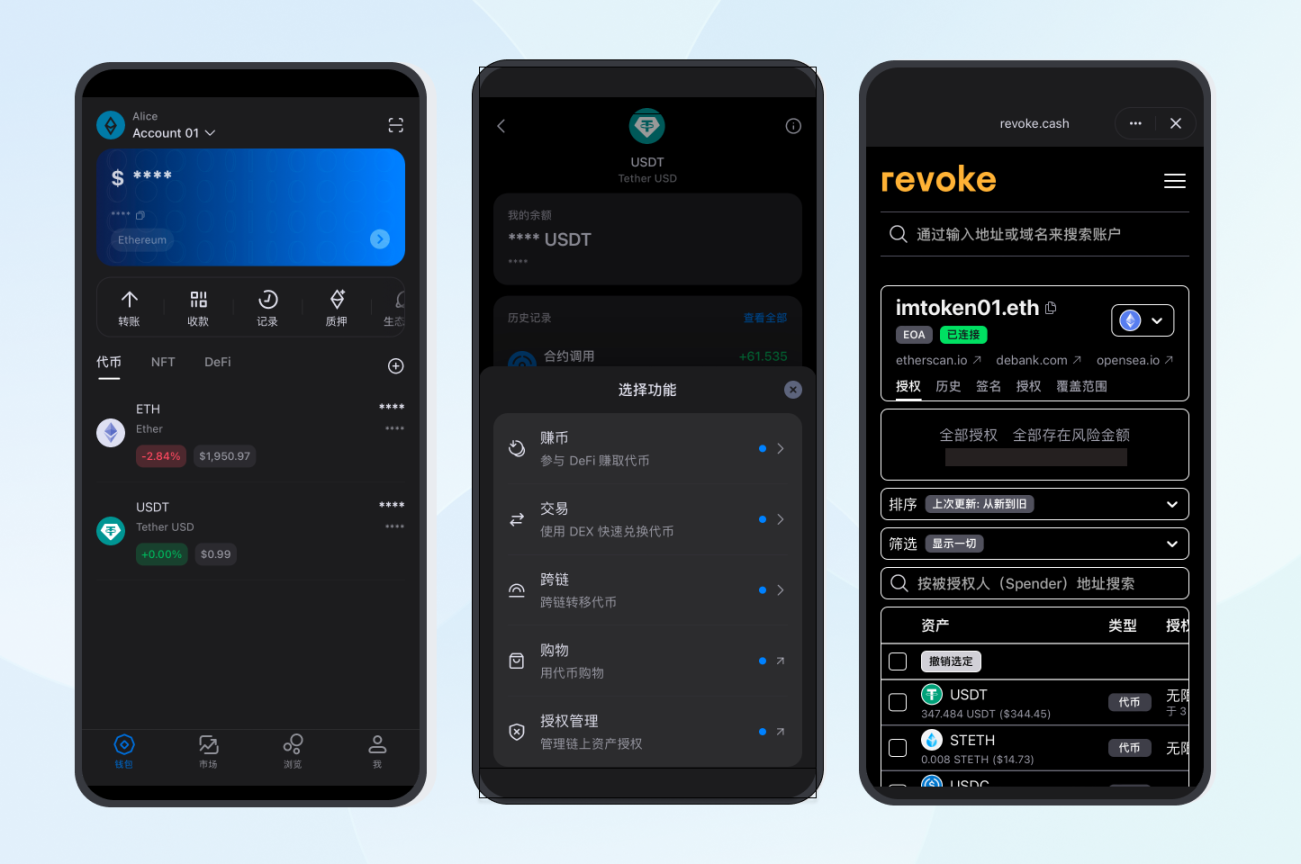
Core Viewpoint - The article emphasizes the heightened risks associated with cryptocurrency and blockchain activities during the Lunar New Year, urging users to conduct thorough security checks on their wallets and be vigilant against scams and unauthorized access. Group 1: Risks from Technology and Scams - The rise of AI-driven scams, such as voice cloning and deepfake videos, poses significant risks, especially during the festive season when attention may be diverted [3][4]. - Users may receive fraudulent messages from seemingly trusted contacts, making it crucial to establish independent verification methods outside of online communication [5][6]. - Clicking on unknown links, even if shared by acquaintances, can lead to phishing attacks, highlighting the need for caution [6][7]. Group 2: Wallet Management and Security - Users should perform a "year-end cleanup" of their wallets to mitigate risks from accumulated permissions granted to various decentralized applications (DApps) [8][10]. - It is essential to revoke unused authorizations, especially those with unlimited access, and to separate long-term storage assets from daily operational assets [10][12]. - Wallet security should adhere to the principle of least privilege, granting only necessary permissions and revoking them when no longer needed [12]. Group 3: Environmental and Operational Risks - The complexity of managing private keys and mnemonic phrases increases during the holiday season due to frequent device changes and varied network environments [12][13]. - Users should avoid storing sensitive information in digital formats that are connected to the internet and should maintain physical security for their mnemonic phrases [13]. - It is critical to verify transaction details, including network, address, and amount, to prevent losses from phishing attacks that exploit user errors [14][15].

守护数字资产新前沿:深入解析USDT钱包与XBIT Wallet的安全之道
Sou Hu Cai Jing· 2025-12-08 10:15
Core Insights - The article emphasizes the importance of stablecoins and asset security in the current volatile digital asset landscape, highlighting Tether's USDT as a dominant player with a reserve rate of 109.16% and a wallet balance exceeding 37.4 billion [1][3] - It stresses the necessity for individuals to manage their USDT assets securely and independently, advocating for self-custody wallets to maintain true ownership of assets [3][11] Group 1: USDT and Personal Asset Sovereignty - Tether's USDT continues to lead the stablecoin market, with on-chain transaction volume reaching 719.83 billion USD in November, significantly surpassing competitors [3] - The article warns against fully trusting centralized platforms for asset management, as market volatility and operational risks can affect access to assets [3] - Transitioning to self-custody wallets is crucial for users to achieve true asset ownership and exercise complete monetary sovereignty [3] Group 2: XBIT Wallet as a Secure Web3 Gateway - XBIT Wallet is introduced as a decentralized wallet designed to provide a secure and user-friendly self-custody solution, aligning with the principle that private keys should never leave the user's device [4] - The wallet supports multi-chain asset management, allowing users to manage various assets, including USDT across different blockchains, in one interface [4] - Transactions made through XBIT Wallet are publicly verifiable on the blockchain, reinforcing the concept of user-controlled assets [4] Group 3: Understanding Private Keys and Security - The article explains that private keys are unique cryptographic strings that grant absolute control over blockchain assets, differing from account passwords on centralized exchanges [6] - It highlights the importance of securely backing up private keys using mnemonic phrases, which are easier to remember and write down compared to long strings of characters [7] Group 4: Best Practices for Hot Wallet Security - Key security practices for using XBIT Wallet include ensuring device safety, being vigilant against phishing attempts, and carefully reviewing transaction details before authorizing [8] - The article advises maintaining a strategy of keeping small amounts in hot wallets for daily use while storing larger amounts in cold wallets for long-term security [8] Group 5: Utilizing Decentralized Trading Ecosystems - Users are encouraged to engage in asset exchanges through decentralized exchanges (DEX) or aggregators, allowing for direct wallet-to-wallet transactions without asset custody [9] Conclusion: Anchoring Self-Sovereignty Amidst Volatility - The article concludes that the integration of data sovereignty and asset sovereignty is becoming increasingly vital, with USDT serving as a bridge between traditional and crypto worlds [11] - It emphasizes the need for users to understand the security principles behind tools like XBIT Wallet to effectively manage their digital wealth and privacy [11]
数字资产安全存储新视角 恒星币钱包与XBIT Wallet市场深度解析
Sou Hu Cai Jing· 2025-12-02 04:19
Core Insights - The digital currency market is experiencing increased volatility, leading to heightened focus on asset security and management [1] - XRP has shown resilience in the bear market, with significant supply contraction and a notable increase in net inflows due to the XRP spot ETF [3] - The activation of long-dormant Ethereum wallets highlights the importance of private key management for asset security [3][5] Market Dynamics - XRP's exchange balance has decreased by 29% since February, with a 34.18% drop in the last two months, indicating reduced liquidity due to whale buying behavior [3] - The total asset scale of XRP has reached $687 million, driven by $439 million in net inflows from the XRP spot ETF [3] - A dormant Ethereum wallet, which held 40,000 ETH, was activated after ten years, showcasing the potential value growth from proper private key management [3][5] Technological Innovations - Stellar wallets, such as the XBIT Wallet, are designed with unique technical features, including multi-chain asset compatibility and cross-chain exchange capabilities [4] - XBIT Wallet employs military-grade encryption and a decentralized identity verification mechanism to enhance security [4][5] - The wallet's features include a unified management interface for over 30 mainstream public chains and real-time risk transaction detection [5] Private Key Management - Private keys are essential for controlling crypto assets, and their management is critical to prevent permanent loss or malicious transfer [5] - Recent events underline the long-term value of proper private key storage, as evidenced by the significant appreciation of assets controlled by dormant wallets [5] - Approximately 67% of digital asset loss incidents stem from improper private key management, emphasizing the need for secure practices [5] Security Practices - Modern wallets often use mnemonic phrases as user-friendly alternatives to private keys, significantly increasing security against brute-force attacks [7] - Best practices for backing up mnemonic phrases include offline storage, geographical dispersion, and zero digital contact [7][8] - A tiered storage strategy is recommended, where only small amounts are kept in hot wallets for daily use, while larger holdings are moved to cold storage [8] Regulatory Developments - The integration of traditional precious metals with digital assets is progressing, as seen with the introduction of gold ATMs in the UAE [9] - Regulatory frameworks are evolving, with Belarus establishing a registry for criminal cryptocurrency wallets and implementing taxation regulations [9] Conclusion - The digital asset ecosystem is undergoing profound changes, with tools like Stellar wallets and XBIT Wallet enhancing private key management and user experience [11] - Mastery of asset storage knowledge is essential for navigating the digital economy effectively [11]
BTC跌破10万关口,最新比特币钱包XBIT Wallet解析美联储政策收紧预期
Sou Hu Cai Jing· 2025-11-18 03:02
Core Insights - The global cryptocurrency market experienced significant turmoil due to expectations of tighter monetary policy from the Federal Reserve, with Bitcoin prices dropping below the psychological threshold of $100,000 and Ethereum falling by 8.33% in a single day [1] - The market's panic was exacerbated by the Japanese Financial Services Agency's plans to implement stricter regulations on cryptocurrency exchanges, increasing selling pressure among Asian investors [1] Market Reaction - The Nikkei index in Japan fell by 1.73% to 50,392 points, while the KOSPI index in South Korea plummeted by 3% to 4,045.44 points, reflecting widespread fear in the markets [1] - Binance futures' open interest reached $9 billion but has decreased by 15% from its peak in October, indicating that institutional investors are rapidly withdrawing from high-risk positions [1] XBIT Wallet's Value Proposition - XBIT Wallet, a decentralized web3 wallet, emphasizes "self-custody of private keys and asset autonomy," providing a secure digital asset management solution amid rising security concerns with traditional hot wallets [2] - The wallet employs military-grade AES-256 encryption and a unique "12-word mnemonic cold storage solution," ensuring that private keys are fully controlled by users and minimizing risks associated with centralized platforms [2] Security Features - XBIT Wallet offers three major security advantages: dual-factor authentication combined with biometric recognition, a "hot and cold wallet separation" architecture, and a "private key fragmentation backup" feature [3] - The wallet's architecture ensures that even if a single node fails, overall service remains unaffected, achieving international CC EAL6+ certification for its attack resistance [4] User Adoption and Market Trends - There has been a 300% increase in Bitcoin wallet user activity, highlighting a shift towards decentralized wallets as traditional centralized wallet models reveal significant security vulnerabilities [3][4] - Among new users, 85% opted for the "three backup plan," indicating a strong market demand for professional security solutions [5] Future Outlook - As global cryptocurrency regulations tighten, decentralized wallets like XBIT Wallet are expected to become standard tools for digital asset management, supporting major assets and facilitating seamless integration with NFTs and DeFi protocols [4] - The current market volatility, driven by Federal Reserve policies, is seen as a catalyst for the maturation of the cryptocurrency financial system, with XBIT Wallet positioned as a foundational element in this transformation [5]
美联储褐皮书揭经济疲软,USDT钱包最新XBIT Wallet深入透析经济密码
Sou Hu Cai Jing· 2025-10-20 00:43
Core Insights - The latest Federal Reserve Beige Book indicates that U.S. economic activity has plateaued, with a slight decline in consumer spending and persistently low labor demand [1][3] - In contrast, XBIT decentralized exchange is thriving, leveraging its technological advantages to attract global users amid increased volatility in traditional financial markets [1][3] Economic Context - The Beige Book highlights structural adjustments in the labor market, with layoffs and natural attrition reducing employee numbers, which interacts subtly with employment demand in the digital asset sector [3][8] - Despite the economic stagnation, blockchain developer job postings have increased by 8%, particularly in smart contract auditing and cross-chain protocol development [3] XBIT Wallet Innovations - XBIT Wallet's revolutionary private key management system utilizes a 12-word mnemonic phrase generated through the BIP39 protocol, ensuring users have complete control over their assets [1][3] - The wallet's design mitigates risks commonly associated with centralized exchanges, as 78% of security incidents in centralized exchanges stem from internal abuse of permissions [3] Security Features - XBIT Wallet employs a layered architecture with hot wallets for daily transactions and cold storage for larger amounts, successfully thwarting a recent hacking attempt that targeted $230 million in assets [5] - The introduction of a "three-dimensional verification" system enhances wallet security by 40%, requiring users to set up biometric and dynamic password verification alongside the mnemonic phrase [5] Market Opportunities - The consensus within the Federal Reserve is shifting towards potential interest rate cuts, with a 75% probability of a 25 basis point cut in the upcoming November meeting [5] - XBIT's liquidity pool design, utilizing an Automated Market Maker (AMM) mechanism, allows for continuous trading, particularly beneficial during traditional market closures [5] Corporate Adoption - There is a surge in demand for enterprise-level wallet solutions, with a multinational supply chain company reducing cross-border settlement costs by 30% and shortening settlement cycles from T+3 to T+0 through XBIT Wallet [7] - Among users holding over 10,000 USDT, 83% opt for XBIT Wallet for asset custody, reflecting trust in decentralized technology's immutable and censorship-resistant characteristics [8] Conclusion - As traditional financial systems undergo profound changes, innovations like XBIT Wallet are providing stability and new opportunities in an uncertain economic landscape, particularly as inflation and labor market challenges persist [8]

美联储褐皮书揭经济疲软,USDT钱包最新XBIT Wallet深入透析“经济密码”
Sou Hu Cai Jing· 2025-10-17 07:28
Core Insights - The latest Federal Reserve Beige Book indicates that U.S. economic activity has stabilized, with a slight decline in consumer spending and continued low demand for labor [1][3] - In contrast, decentralized exchanges like XBIT are thriving, leveraging technological advantages to attract global users amid increased volatility in traditional financial markets [1] Economic Activity and Digital Asset Trends - The Beige Book highlights structural adjustments in the labor market, with layoffs and natural attrition reducing employee numbers, while demand for blockchain developers has increased by 8%, particularly in smart contract auditing and cross-chain protocol development [3] - XBIT Wallet integrates traditional finance with crypto assets, featuring a built-in USDT wallet that supports seamless exchanges between stablecoins and fiat currencies, addressing rising costs and inflation concerns [3][9] Security Innovations in Digital Wallets - XBIT Wallet employs a layered design of "hot wallets" for daily transactions and "cold storage" for larger assets, successfully thwarting a recent hacking attempt that targeted $230 million in assets [6] - The wallet's "three-dimensional verification" system enhances security by requiring biometric and dynamic password verification, increasing wallet security by 40% while maintaining user control over private keys [6] Opportunities in a Low-Interest Rate Environment - Despite stagnant economic activity, there is a growing consensus within the Federal Reserve for interest rate cuts, with a 75% probability of a 25 basis point cut in November [7] - XBIT's liquidity pool design, utilizing an Automated Market Maker (AMM) mechanism, allows for continuous trading, particularly beneficial during traditional market closures [7] Demand for Enterprise Solutions - There is a surge in demand for enterprise-level wallet solutions, with a multinational supply chain company reducing cross-border settlement costs by 30% and shortening settlement cycles from T+3 to T+0 by deploying XBIT Wallet [9] - Among users holding over 10,000 USDT, 83% opt for XBIT Wallet for asset custody, reflecting trust in decentralized technology's immutable and censorship-resistant characteristics [9]

诺娃RWA丨加密货币的未来会对个人用户有哪些影响?
Sou Hu Cai Jing· 2025-09-29 14:10
Group 1: Asset Allocation - The development of cryptocurrencies is shifting from "wild growth" to "regulated operation," leading to a reconstruction of personal investment logic [2] - Under the dominance of institutional investors, Bitcoin ETFs have attracted over $110 billion in funds, compressing the space for retail short-term speculation [2] - Long-term holding and passive income strategies are becoming mainstream, with Ethereum users earning stable returns through staking and stablecoin savings accounts offering annual yields of up to 14% [2] - The investment threshold has significantly increased, with only projects having real application scenarios likely to survive, and stricter regulatory requirements necessitating the use of licensed platforms in regions like Hong Kong and Singapore [2] Group 2: Daily Scenarios - Cryptocurrency payments are gradually integrating into daily life, with more retailers and online platforms accepting stablecoins and Bitcoin [3] - The adoption of the Lightning Network allows for "instant settlement and low-cost" Bitcoin transactions, with stablecoins being used for payroll and cross-border remittances [3] - Future cross-border transfers may eliminate the need for bank intermediaries, reducing fees to below 0.1% and ensuring full transparency and traceability [3] - However, there is a tension between convenience and compliance, as new anti-money laundering regulations require platforms to enhance KYC audits, potentially leading to transaction delays or rejections [3] Group 3: Compliance and Security - Tax and legal risks are becoming increasingly prominent, with new IRS regulations in the U.S. requiring DeFi platforms to report user transaction data, necessitating precise tracking of assets across multiple wallets and platforms [4] - In China, inadvertent participation in illegal transactions can lead to involvement in money laundering investigations, regardless of intent [4] - Asset security faces dual challenges, with private key management remaining critical and the use of hardware wallets and decentralized identity (DID) tools becoming standard [4] - The crackdown on unlicensed platforms increases the risk of asset freezing for users who choose "bad actors," while cross-border transactions become more complex due to differing regulations [4] - The impact of cryptocurrencies on individuals will be highly differentiated, providing new channels for compliant investors, improved payment experiences for ordinary users, and heightened legal and financial risks for non-compliant participants [4]
XBIT Wallet剖析FalconFinance投资机会
Sou Hu Cai Jing· 2025-09-12 06:47
Core Viewpoint - The launch of the Falcon Finance token sale on the Buidlpad platform highlights the critical role of crypto wallets in digital asset management, with the global crypto wallet market valued at $15.54 billion, driven by quality projects like Falcon Finance [1]. Group 1: Falcon Finance Project - Falcon Finance has achieved a circulation of $1.5 billion in the stablecoin USDf, supporting multiple assets including Bitcoin, Ethereum, SOL, stablecoins, altcoins, and tokenized real-world assets (RWAs) [1]. - The project is backed by significant investments, including $10 million from WLFI, associated with Trump [6]. Group 2: Crypto Wallet Functionality - Crypto wallets primarily manage private keys, which are essential for securing users' digital assets, acting as the only proof of ownership for assets on a blockchain [3]. - The importance of private key security is emphasized, as losing a private key results in permanent loss of access to related crypto assets [4]. Group 3: Security Measures - Users are advised to back up their mnemonic phrases securely, as the order of these phrases is crucial for asset recovery [6]. - Multi-signature wallet configurations are recommended for high-value projects to enhance security by requiring multiple key holders for important transactions [7]. Group 4: Market Trends and Future Outlook - The success of Falcon Finance indicates a new phase for the stablecoin sector, with clearer regulatory frameworks and an accelerating trend towards the tokenization of real-world assets [10]. - The emergence of Layer 2 solutions like Arbitrum and Optimism presents new opportunities for crypto wallets, allowing users to participate in projects with lower transaction fees and faster confirmation times [10]. - The future of crypto wallets is expected to be more intelligent, secure, and convenient, with AI playing a significant role in asset management and risk assessment [11].