AI诈骗

Search documents
明星换脸视频1分钟200元,警惕骗局→
第一财经· 2026-03-14 15:31
Core Viewpoint - The article discusses the rise of AI-generated scams targeting elderly individuals, particularly through the use of "AI霸总" (AI bosses) videos that exploit emotional connections for financial gain [3][4][6]. Group 1: AI Scams and Elderly Targeting - AI-generated videos featuring "AI bosses" have gained significant popularity, especially among elderly users, leading to emotional manipulation and financial scams [3][4]. - Reports indicate that elderly individuals, particularly women, are being targeted with tailored content that provides emotional value, resulting in financial losses [6][10]. - In the first quarter of 2025, AI-related scams saw a 45% increase, with elderly victims accounting for 38% of the cases, highlighting the vulnerability of this demographic [6][10]. Group 2: Technology and Accessibility - The accessibility of AI tools has lowered the barrier for scammers, allowing them to create convincing fake videos and voices at a low cost, with prices ranging from 20 to 500 yuan [4][10]. - The proliferation of AI-generated content has made it easier for scammers to impersonate both celebrities and ordinary individuals, complicating the process of identifying and combating these scams [10][14]. - The technology behind AI-generated content has advanced rapidly, making it increasingly difficult for victims to discern real from fake [10][13]. Group 3: Legal and Regulatory Responses - Legal frameworks currently exist to address AI-generated impersonation, but enforcement remains challenging due to low penalties and the complexity of proving infringement [16][18]. - Social media platforms have begun to implement measures against AI impersonation, with significant numbers of accounts and content being removed, but the effectiveness of these measures is still in question [17][18]. - Experts suggest that legal reforms are necessary to increase penalties for AI-related infringements and to shift platform responsibilities towards proactive content moderation [18].


CertiK发布加密货币ATM欺诈报告:损失达3.3亿美元,AI诈骗与跨境洗钱成主要威胁
Globenewswire· 2026-03-13 13:00
Core Insights - The report by CertiK highlights that cryptocurrency ATM fraud has become one of the fastest-growing financial crime categories in the U.S., with losses reaching $330 million in 2025, a 33% increase year-over-year [1] Group 1: Fraud Mechanism - Cryptocurrency ATM fraud involves scammers inducing victims to withdraw cash and deposit it into cryptocurrency ATMs, which are then converted into digital assets and transferred to the scammers' wallets [1] - Unlike traditional cryptocurrency attacks, this type of fraud does not rely on account hacking but uses social engineering to manipulate victims into making transactions [2] - The structure of cryptocurrency ATMs creates a "traceability gap," making it difficult for law enforcement to recover funds once transactions are on the blockchain [2] Group 2: Victim Demographics - The report reveals that 86% of the losses from cryptocurrency ATM fraud in 2025 were incurred by individuals aged 60 and above, indicating a significant vulnerability among the elderly [3] - A lawsuit against Athena Bitcoin highlighted that 93% of deposits at their ATMs in Washington D.C. were linked to fraud, with a median victim age of 71 and a median loss of $8,000 per transaction [3] Group 3: Role of AI in Fraud - AI technology is accelerating the evolution of fraud methods, with AI-driven scams yielding profits approximately 4.5 times greater than traditional methods [4] - Criminal organizations are employing AI voice cloning, deepfake videos, and automated scripts to conduct more targeted social engineering attacks [4] Group 4: Organized Crime Networks - Cryptocurrency ATM fraud has evolved into a highly organized, transnational criminal enterprise with a detailed division of labor, including data collection, social engineering scams, and money laundering [5] - Southeast Asian money laundering networks processed about $16.1 billion in illegal cryptocurrency funds in 2025, accounting for 20% of the globally traceable illegal cryptocurrency ecosystem [5] Group 5: Recommendations for Prevention - The report emphasizes that the only effective intervention point in the cryptocurrency ATM fraud chain is at the CAS layer's transaction entry, where real-time wallet address screening and risk verification must occur before transactions are recorded on the blockchain [7] - Specific recommendations include heightened consumer awareness, implementation of tiered KYC by operators, and enhanced blockchain analysis capabilities by law enforcement [7]

AI情色工厂
虎嗅APP· 2026-03-06 14:26
Group 1 - The article discusses the rise of AI-generated "beauties" used in scams, highlighting how these technologies have transformed the landscape of online fraud [4][10] - AI technologies like Stable Diffusion and Midjourney enable scammers to create hyper-realistic images of women, significantly lowering the barriers to entry for fraud [8][12] - The integration of large language models (LLMs) allows these AI-generated personas to engage in sophisticated conversations, making it easier to manipulate victims emotionally [9][10] Group 2 - The article provides a case study of a victim who lost 2.8 million yuan due to a scam involving AI-generated personas and voice cloning technology, illustrating the effectiveness of these methods [12][13] - Reports indicate that AI-related scams have seen a significant increase, with the annual growth rate of "virtual love" cases exceeding 40% [12][13] - The black market for AI-generated materials has developed a complete ecosystem, offering thousands of images and videos of virtual characters for a few hundred yuan [12][14] Group 3 - The article emphasizes the emotional and psychological impact on victims, who often experience shame and trauma beyond the financial loss [13][14] - The industrialization of this scam model exploits modern loneliness, targeting high-net-worth individuals with low social interaction [14][15] - The ongoing evolution of AI-generated personas creates a blurred line between reality and illusion, raising concerns about trust in social interactions [15][16]

演员王劲松遭遇视频号、抖音上AI伪造视频,真假难辨直呼可怕
Ge Long Hui· 2026-02-27 21:41
Core Viewpoint - The incident involving actor Wang Jinsong highlights the growing concerns over AI-generated content, particularly regarding the unauthorized use of personal images and voices, raising alarms about potential AI infringement and fraud [1][4]. Group 1: Incident Overview - Wang Jinsong reported that his image and voice were used in an AI-generated video that was highly realistic, making it difficult to distinguish from genuine content [1]. - Previously, Wang had encountered lower-quality AI forgeries, but the recent incident showcased a significant improvement in the technology, catching him off guard [3]. Group 2: Response and Legal Implications - Following the incident, Wang filed a complaint with the platform, and the offending video has since been removed [4]. - He emphasized the potential for advanced AI forgery technology to be misused for serious violations of portrait rights and online fraud, calling for enhanced platform scrutiny and legal regulation [4]. - According to China's Civil Code, unauthorized use of AI to replicate someone's image or voice constitutes an infringement of portrait and voice rights, and using such for fraudulent activities could lead to criminal liability [4].

警惕AI诈骗!利用AI冒充孙子声音,老人被骗数万现金
2 1 Shi Ji Jing Ji Bao Dao· 2026-02-27 13:06
Group 1 - A new type of AI scam has emerged, targeting elderly individuals by simulating the voice of their grandchildren using AI technology, resulting in significant financial losses [2] - In a specific case, an elderly person was deceived into transferring 60,000 yuan after a scammer impersonated their grandchild's voice, complete with emotional nuances [2] - The Supreme People's Court of China has highlighted this case as a typical example of AI-assisted fraud, where scammers operate both online and offline to execute their schemes [2] Group 2 - The Supreme Court has issued an urgent reminder to the public, advising individuals to verify the identity of callers claiming to be relatives, especially when money is involved [3] - It is recommended to hang up and confirm with family members in person rather than relying on phone calls that may be fraudulent [3] - The message emphasizes the importance of spreading awareness to prevent elderly individuals from losing their retirement savings to AI scams [3]
春节资产安全手册:如何守护好你的 Token?
Xin Lang Cai Jing· 2026-02-15 10:37
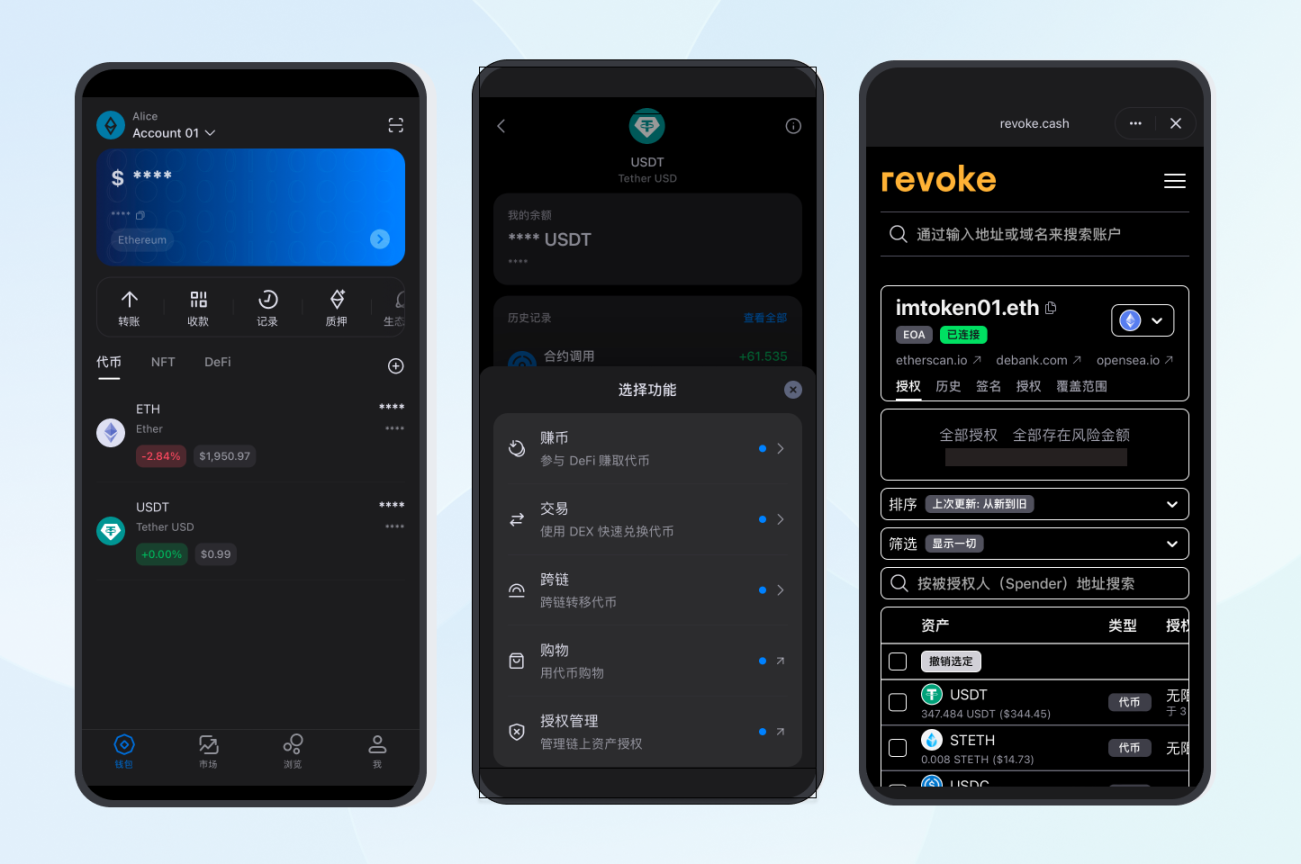
Core Viewpoint - The article emphasizes the heightened risks associated with cryptocurrency and blockchain activities during the Lunar New Year, urging users to conduct thorough security checks on their wallets and be vigilant against scams and unauthorized access. Group 1: Risks from Technology and Scams - The rise of AI-driven scams, such as voice cloning and deepfake videos, poses significant risks, especially during the festive season when attention may be diverted [3][4]. - Users may receive fraudulent messages from seemingly trusted contacts, making it crucial to establish independent verification methods outside of online communication [5][6]. - Clicking on unknown links, even if shared by acquaintances, can lead to phishing attacks, highlighting the need for caution [6][7]. Group 2: Wallet Management and Security - Users should perform a "year-end cleanup" of their wallets to mitigate risks from accumulated permissions granted to various decentralized applications (DApps) [8][10]. - It is essential to revoke unused authorizations, especially those with unlimited access, and to separate long-term storage assets from daily operational assets [10][12]. - Wallet security should adhere to the principle of least privilege, granting only necessary permissions and revoking them when no longer needed [12]. Group 3: Environmental and Operational Risks - The complexity of managing private keys and mnemonic phrases increases during the holiday season due to frequent device changes and varied network environments [12][13]. - Users should avoid storing sensitive information in digital formats that are connected to the internet and should maintain physical security for their mnemonic phrases [13]. - It is critical to verify transaction details, including network, address, and amount, to prevent losses from phishing attacks that exploit user errors [14][15].
高端媒体看邯郸丨邯郸市丛台区趣味普法点亮青少年法治教育
Xin Lang Cai Jing· 2025-12-31 00:19
Group 1 - The core idea of the article is the implementation of legal education activities for youth in Congtai District, Handan City, through engaging formats like "Police Micro Theater" and "Legal Script Murder" [1][9] - The activities aim to enhance legal awareness and self-protection skills among students, addressing issues such as campus bullying and AI fraud [9] - Over 3,000 youth have participated in these legal education initiatives this year, significantly improving their legal literacy and providing a protective legal framework for their healthy development [9]

2025北京地区学生网民网络安全感满意度调查发布
Xin Lang Cai Jing· 2025-12-25 05:03
Core Insights - The report titled "2025 Beijing Student Internet Users' Cybersecurity Satisfaction Survey Analysis" highlights the current state of cybersecurity among student internet users in Beijing, emphasizing the need for improved protective measures and governance in the digital space [1][2]. Group 1: Cybersecurity Satisfaction - In 2025, the positive evaluation rate of overall cybersecurity among student internet users in Beijing is 65.25%, with 51.92% of students feeling an improvement in their sense of security compared to the previous year [1][2]. - Despite the optimistic outlook, there is a noted decline in cybersecurity satisfaction compared to 2024, aligning with the national average trend [1]. Group 2: Cyber Threats and Risks - A significant portion of students reported encountering various cyber threats, including illegal information dissemination, personal information infringement, network intrusion attacks, and online fraud, with the rates of network attacks and fraud being lower than the national average [2]. - New types of scams are prevalent, with 26.09% of students experiencing AI voice imitation scams, 26.47% encountering phishing emails generated by ChatGPT, and 23.57% facing AI deepfake video call scams [2]. Group 3: Personal Information Protection - 71.93% of Beijing student internet users rated the state of personal information protection positively, yet 40.2% still perceive widespread personal information leakage [2]. - Although there is a trend of reduced perception of information leakage compared to the previous year, new risks associated with short videos and social platforms are causing localized concerns [2]. Group 4: Educational and Governance Implications - The report serves as a crucial reference for cybersecurity education and provides a basis for collaboration between the education system and society to address cybersecurity challenges [3].
警惕“AI美女”设“甜蜜陷阱”
Xin Lang Cai Jing· 2025-12-20 06:44
Group 1 - The article discusses a sophisticated online dating scam orchestrated by a group led by Yang, which involved a five-step process to defraud victims, resulting in a total loss of over 1.71 million yuan from 15 male victims within a year [1][4] - The scam utilized AI-generated videos and emotional manipulation to build trust with victims, leading them to send money under false pretenses, such as medical emergencies [2][3] - The operation was structured like an assembly line, with specific roles assigned to different members for tasks such as account management, emotional engagement, and money laundering [3][4] Group 2 - The group employed various tactics to maintain the victims' trust, including sending fake medical documents and using voice changers during calls to simulate authenticity [3][4] - Law enforcement faced challenges in gathering evidence due to attempts to destroy digital records, but successfully recovered crucial data that linked the suspects to the crimes [5] - The judicial outcomes included significant prison sentences for the main perpetrators, with Yang receiving eleven years for fraud, while others received varying sentences for their roles in the operation [6]
假图骗取电商退款,洗脑驯化大模型,南都报告揭秘AI灰产
Nan Fang Du Shi Bao· 2025-12-18 10:35
Core Insights - The rise of generative AI has led to an increase in AI-related fraud and misinformation, particularly in the e-commerce sector, highlighting the challenges of distinguishing truth from falsehood in a technologically advanced society [2][4] - A report released at the eighth Woodpecker Data Governance Forum reviews 118 cases of generative AI risks, focusing on the societal trust challenges and ethical dilemmas posed by human-AI interactions [4][5] Group 1: Impact on Society and Individuals - Generative AI has significantly altered the landscape of information production and dissemination, leading to an exponential increase in fake content across personal, industry, and societal levels [5] - AI-generated misinformation has resulted in various forms of fraud, including "AI yellow rumors" and scams targeting vulnerable populations, particularly the elderly [5][6] - The report highlights a case where a PhD student at the University of Hong Kong cited 24 AI-generated fake references in a paper, leading to its retraction and an investigation [6] Group 2: Legal and Ethical Concerns - Instances of lawyers using AI to generate fictitious legal cases have emerged, raising concerns about the integrity of legal proceedings [6] - The report discusses the emergence of a gray industry exploiting generative AI, manipulating data to influence AI model outputs, which can mislead users into believing the information is factual [7] - The ethical implications of AI's "flattering" algorithms are examined, particularly in the context of human-AI relationships and the potential for emotional manipulation [8] Group 3: Regulatory Responses and Recommendations - The report emphasizes the need for global consensus and institutional rules to address the challenges posed by AI-generated misinformation, advocating for stronger platform regulation and cross-border collaboration [7] - Recent lawsuits against AI platforms like Character.AI and OpenAI highlight the legal accountability issues surrounding AI interactions, particularly concerning youth safety [9][10] - Various countries are implementing regulations to protect minors from AI-induced harm, with recommendations for AI products to prioritize user mental health and transparency in design [11]