科技驱动产业发展

Search documents
“世界天麻原产地”云南昭通:小麻种育出大产业
Xin Lang Cai Jing· 2026-01-04 10:45
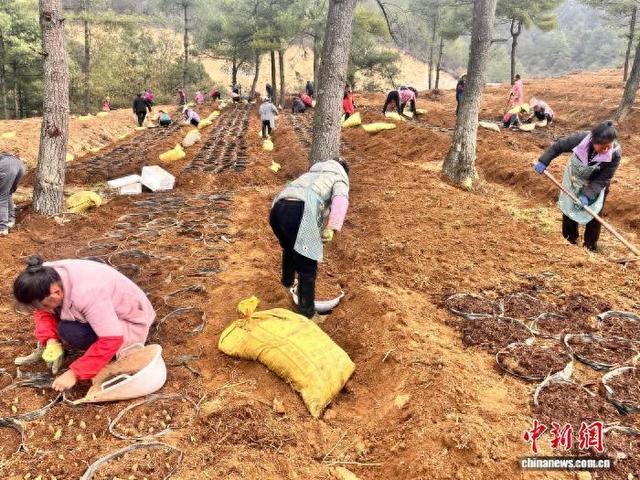
中新网云南昭通1月4日电 (时文枝)元旦假期刚过,云南省昭通市彝良县小草坝镇一个天麻种植基地上, 150余名工人正抢抓时节进行天麻冬栽和育种。"为了秋天有个好收成,我们得抓紧时间。"4日,基地负 责人、"90后"青年彭家念也加入劳作队伍。作为当地天麻产业的年轻带头人,他对今年的收成信心满 满。 "良种和科技是天麻产业发展的关键。"彭家念介绍,除重点选育"云天乌""奕良红"等良种外,公司还通 过林下仿野生种植、改良栽培方式等提升商品麻的品质与产量。2025年,公司天麻种植面积超2000亩, 产值突破4000万元,今年计划将规模扩至3000余亩。 工人们在 月20日,彝良县小草坝镇的村民展示挖出的天麻。曹斌 摄 科技为昭通天麻产业注入强劲动力。昭通市天麻研究院副院长王玉川称,该院通过与中国科学院昆明植 物研究所、云南农业大学等多家单位合作,开展良种选育、"两菌"(蜜环菌、萌发菌)提纯复壮等研究, 为天麻产业可持续发展提供种源与技术支撑。 昭通学院则搭建起集重点实验室、工程研究中心、产业学院和科技小院为一体的天麻研发平台,目前已 制定天麻产业团体标准62项,申请专利58件。该校科研团队通过"良菌+良种+创新栽培"等 ...

全国1/3原绒在此交易,但5100吨的背后,利润去哪了?
Sou Hu Cai Jing· 2025-12-02 05:30
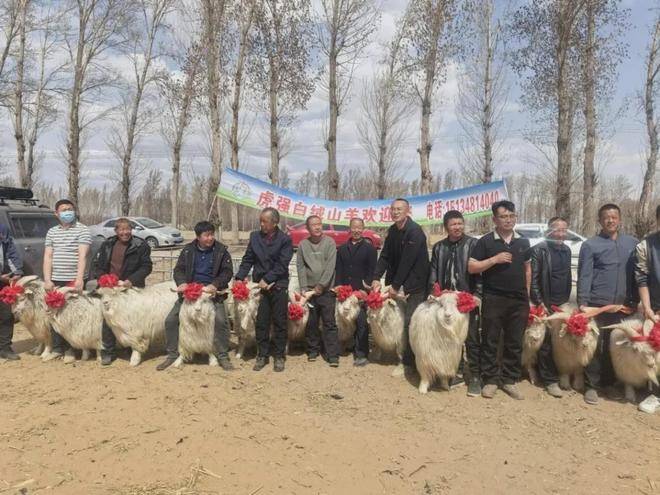
Core Viewpoint - The transformation of the cashmere industry in China, particularly in the Dalad Banner of Inner Mongolia, is crucial for shifting from a raw material advantage to a full industry chain advantage, impacting the livelihoods of numerous practitioners [1] Group 1: Policy Guidance and Systematic Engineering - The development model in Dalad Banner is driven by government top-level design, emphasizing "policy guidance, quality first, full chain development, and benefiting the people" [5] - A new industrial development model has been introduced, combining government guidance, leading enterprises, cooperative organizations, and participation from farmers and herders [5] - The subsidy for introducing quality breeding rams has been significantly increased from 800 yuan to 2500 yuan, enhancing the motivation for breed improvement among farmers [5] Group 2: Technology-Driven Quality Improvement - The second key step involves embracing technology, with systematic performance evaluations of over 10,000 white cashmere goats leading to the establishment of a detailed breeding database [7] - The coverage rate of quality breeds in cashmere goats has reached over 95% due to the promotion of standardized and mechanized farming [7] - The cashmere fiber fineness has stabilized around 16 microns, indicating the potential for high-end raw material production [7] Group 3: Full Chain Development - The Dalad Banner is extending its industrial chain to break the long-standing issue of being merely a "high-quality raw material exporter" [9] - The region has established multiple enterprises from dehairing to finished products, significantly increasing local employment and retaining more added value [9] - A cross-border e-commerce platform for cashmere is set to be completed in 2024, representing a bold attempt in brand marketing and global channels [9] Group 4: Achievements and Insights - Dalad Banner has achieved an annual raw cashmere trading volume of 5,100 tons, accounting for one-third of the national trading volume, becoming the largest raw cashmere trading market in China [9] - The industry has stabilized income for over 10,000 farming households, providing a significant economic boost [9] - The case of Dalad Banner offers profound insights for the entire Chinese cashmere industry, suggesting a return to the industry's roots through policy and technology to solidify quality advantages [9][11] Group 5: Future Plans - The next step for Dalad Banner is to accelerate the construction of a complete industrial chain model from "quality breeding - standardized farming - deep processing - brand marketing" [11] - This path is essential for the high-quality development of the Chinese cashmere industry and for gaining market discourse power [11]
观展预告|中信城开即将亮相 好标准好设计诠释好房子
Zhong Guo Jin Rong Xin Xi Wang· 2025-10-28 01:54
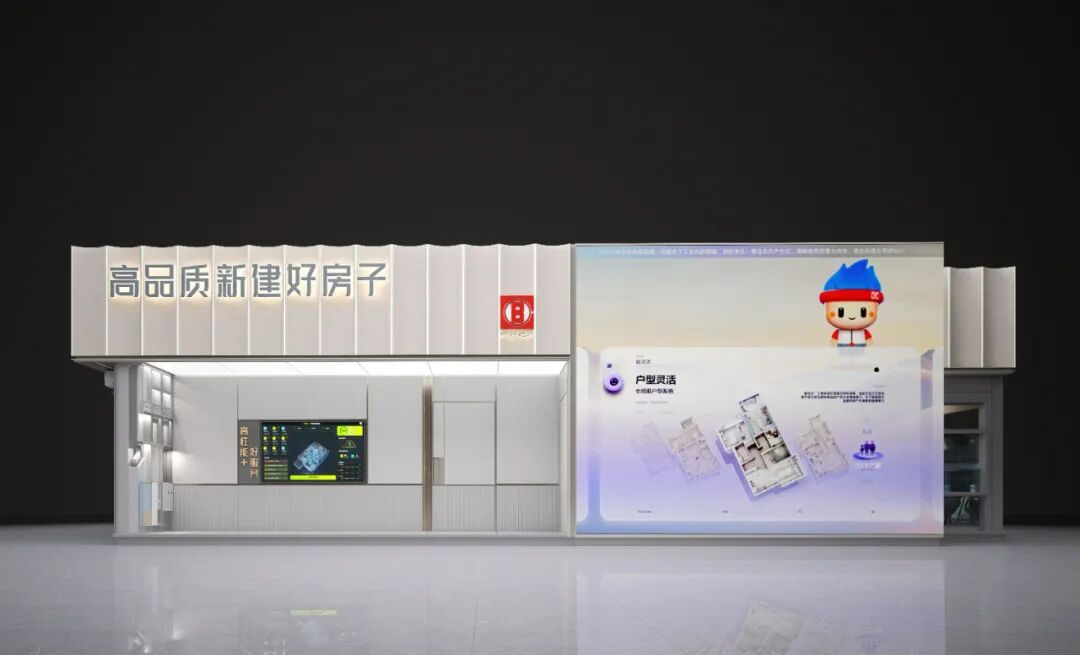
Core Viewpoint - The "Good House Technology Exhibition" will be held on November 7 at the Shougang International Exhibition Center in Beijing, focusing on the theme of "Empowering Technology for Good Housing and Upgrading the Industry for New Development" [1] Group 1: Exhibition Overview - The exhibition is organized by the Ministry of Housing and Urban-Rural Development's Science and Industrial Development Center, in collaboration with over 20 entities including state-owned enterprises, research institutions, and outstanding private enterprises [1] - It aims to promote the concept, technology, products, models, and industry of good housing through ten exhibition areas, including model houses, good standards, good design, good construction, good materials, good services, intelligent construction, national heavy equipment, future technology, and residential parks [1] Group 2: Key Exhibitors and Themes - CITIC City Development will showcase in the "Good Standards" and "Good Design" areas, featuring an interactive screen that illustrates living scenarios in the era of good housing and highlights key clauses from national and local housing standards [2] - The "Good Standards" area will present the 4W2S good housing standard, emphasizing safety, comfort, health, green, wisdom, and humanity through a comprehensive product standard system [2] - The "Good Design" area will introduce the "Safe House" design concept, providing reliable emergency shelter in disaster scenarios [2] Group 3: Construction and Service Aspects - The "How to Build Good Houses" section will focus on five dimensions: good standards, good design, good materials, good construction, and good services, showcasing a systematic approach to meet public expectations [4] - The "Good Materials" area will display high-quality building materials characterized by health, safety, and environmental friendliness, such as carbon fiber and self-healing waterproof materials [5] - The "Good Services" area will highlight community and urban service enhancements, demonstrating how residential services extend to community and city levels [5] Group 4: Technological Innovations - The exhibition will emphasize the role of new technologies in housing, featuring areas dedicated to intelligent construction, national heavy equipment, and future technologies [6] - The "Intelligent Construction" area will showcase 35 exhibits that illustrate the integration of new information technology with industrial construction techniques [7] - The "Future Technology" area will present innovations such as photovoltaic energy storage and AI smart home scenarios, redefining future living standards [7] Group 5: Future Outlook - The exhibition is set to become a significant event for experiencing the technological advancements in housing and witnessing the high-quality development of the housing and urban-rural construction sector [9]